April 17: La Chapelle de L’Assomption de la Sainte Vierge à la Belle Rivière
Join us for a story of faith and courage in America on this episode of the American Catholic Daily Reader podcast.
Transcript
Read the full transcriptAuto-generated · 443 words
Welcome to the American Catholic Daily Reader podcast. Today is April 17th, and our story is La Chapelle de l'Assomption de la Sainte Vierge à la Belle Rivière. In Pittsburgh, Pennsylvania, three rivers meet. Right in the middle of the city, the Allegheny and the Monongala come together to form the Ohio.
Today, the city's Point State Park, filled with runners, bikers, and tourists, overlooks the confluence. But in the days when the French and British fought over the fur trade and the American interior, that meeting point offered more than river views. It offered control of the interior's waterways. Accordingly, long before Pittsburgh was a settlement, a chapel stood where a fountain now stands. The chapel was part of Fort Duquesne. In February 1754, the British began building a small fort on the site of the future park.
Upon discovering what the British were up to, French forces decided to take it for themselves. They launched their attack on April 16th, and by the next day, the fort was theirs. Hours later, on April 17th, 1754, Father Denise Baran, a recollect friar and chaplain to the French army, arrived and celebrated mass for the soldiers.
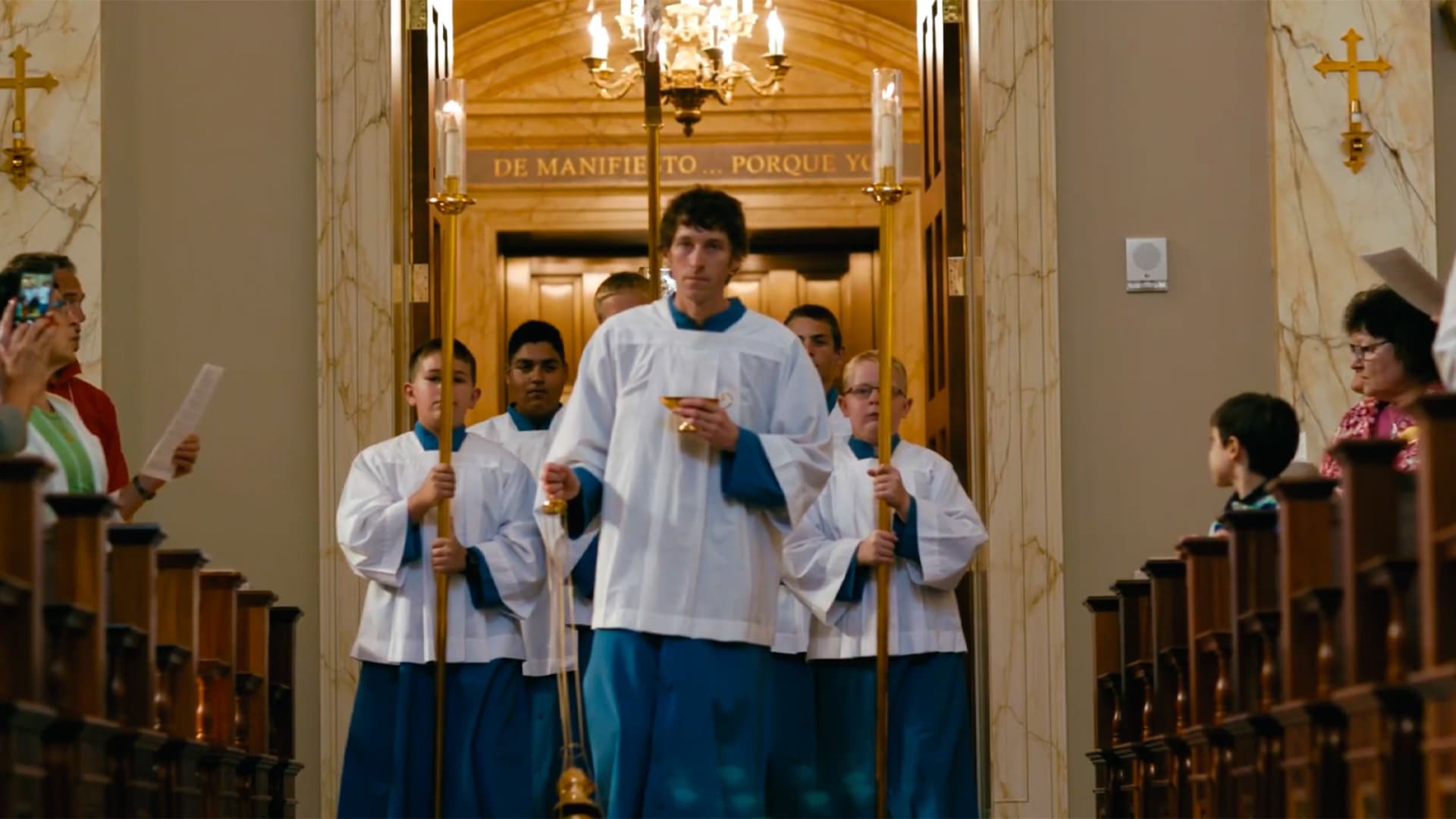
Soon, the French soldiers completed building a second and much larger fort at the confluence, naming it Fort Duquesne, after New France's governor, the Marquis Michel-Ange Duquesne. They also built a chapel inside the fort, which Baron christened the Assumption of the Blessed Virgin of the Beautiful River.
The chapel served the soldiers, Native Americans, and far-flung Catholic settlers for four years. Parish records, carefully preserved by Barron, tell of a few marriages, many baptisms, including one Iroquois chief who asked for baptism at the age of 95, and many more funerals. In 1758, rather than see the fort fall into British hands, the French burned it to the ground. Today, the only remaining traces of the fort and its chapel are a row of stones in Point State Park, marking where the fort once stood, and a small plaque in the nearby St.
Mary of Mercy Catholic Church, founded in 1868, commemorating its predecessor, La Chapelle de l'Assomption de la Sainte Vierge à la Belle Rivière. The chapel at Fort Duquesne symbolizes how the church accompanies her people, wherever they are, offering stability, community, and hope.
Faith is not passive. It actively shapes lives, even on the frontier of the unknown. Identify a place in your life where you can offer stability or support to others spiritually or emotionally this week. Thank you for listening to the American Catholic Daily Reader Podcast. Join us tomorrow, April 18th, for another story of faith and courage in America.