Join us for a story of faith and courage in America on this episode of the American Catholic Daily Reader podcast.
Transcript
Read the full transcriptAuto-generated · 396 words
Welcome to the American Catholic Daily Reader podcast. Today is May 20th, and our story is The Shepherd's Council. In 1829, one archbishop and four bishops met in Baltimore for a little meeting, the First Provincial Council of Baltimore, about how to best govern their dioceses in the United States. Fast forward 23 years, and little meetings of the American bishops were no longer possible. The United States had grown exponentially between the 1830s and 1850s, and so had the Catholic Church. The time had come for the nation's first plenary council, a meeting of bishops from all the provinces within a given country.
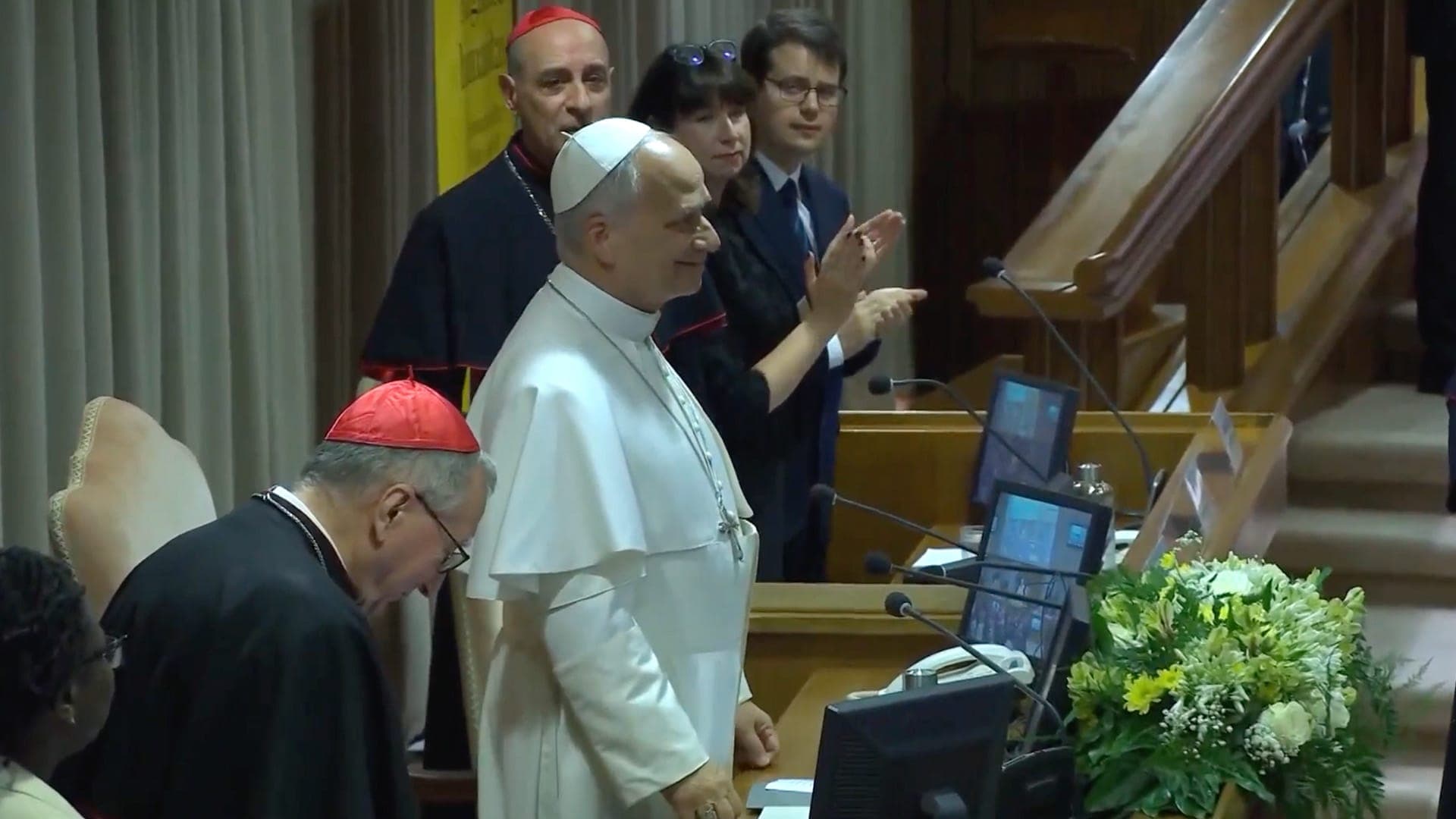
baltimore's archbishop francis kenrick older brother to st louis archbishop peter kenrick asked the vatican's permission to hold such a council the vatican granted it and on may ninth eighteen fifty two the first plenary council of baltimore convened those present included six archbishops thirty-five bishops and nine superiors of religious orders Over the course of two weeks, the prelates discussed a host of questions involving church governance. When they concluded their discussions on May 20, 1852, they issued 25 separate decrees.
Like the discussions themselves, most of those decrees were administrative. Every diocese should have a chancellor, bishops should consult with their clergy, chanceries need to audit their parishes annually, etc. A few were hortatory. The council fathers pledged their allegiance to the Holy Father, and solemnly swore to believe everything the Church believes.
A few more were evangelical. All Catholics should pray for the conversion of non-Catholics. Other decrees from the Council touched on the sacramental and juridical problems created by Catholics marrying non-Catholics. The Council Fathers strongly recommended against it, as well as education and handing on the faith.
Every diocese should have a seminary. Every parish should have a school. With only minor changes and additions, Rome subsequently approved the Council's decrees, making them binding on all Catholics in the United States and her territories. By addressing education, governance, and pastoral care, the bishops ensured the church in America could grow with integrity and purpose.
People thrive when structure supports mission, enabling spiritual growth and service. Identify a system or structure in your life that could be improved to support growth and service. Thank you for listening to the American Catholic Daily Reader podcast. Join us tomorrow, May 21st, for another story of faith and courage in America.