St. Helena, tireless explorer of the Holy Land, is said to have recovered boards believed to have formed the feeding trough in which Baby Jesus lay the night of the Nativity.
Transcript
Read the full transcriptAuto-generated · 451 words
Just a few steps from Termini Station, in the bustling heart of Rome, there is a treasure chest that holds a fragment of Bethlehem. It is the Basilica of St. Mary Major, one of the largest and oldest churches dedicated to the Virgin Mary. And here, among marble, mosaics, and columns, stands a reliquary that for centuries has moved pilgrims from all over the world. The so-called Holy Crib of Jesus.
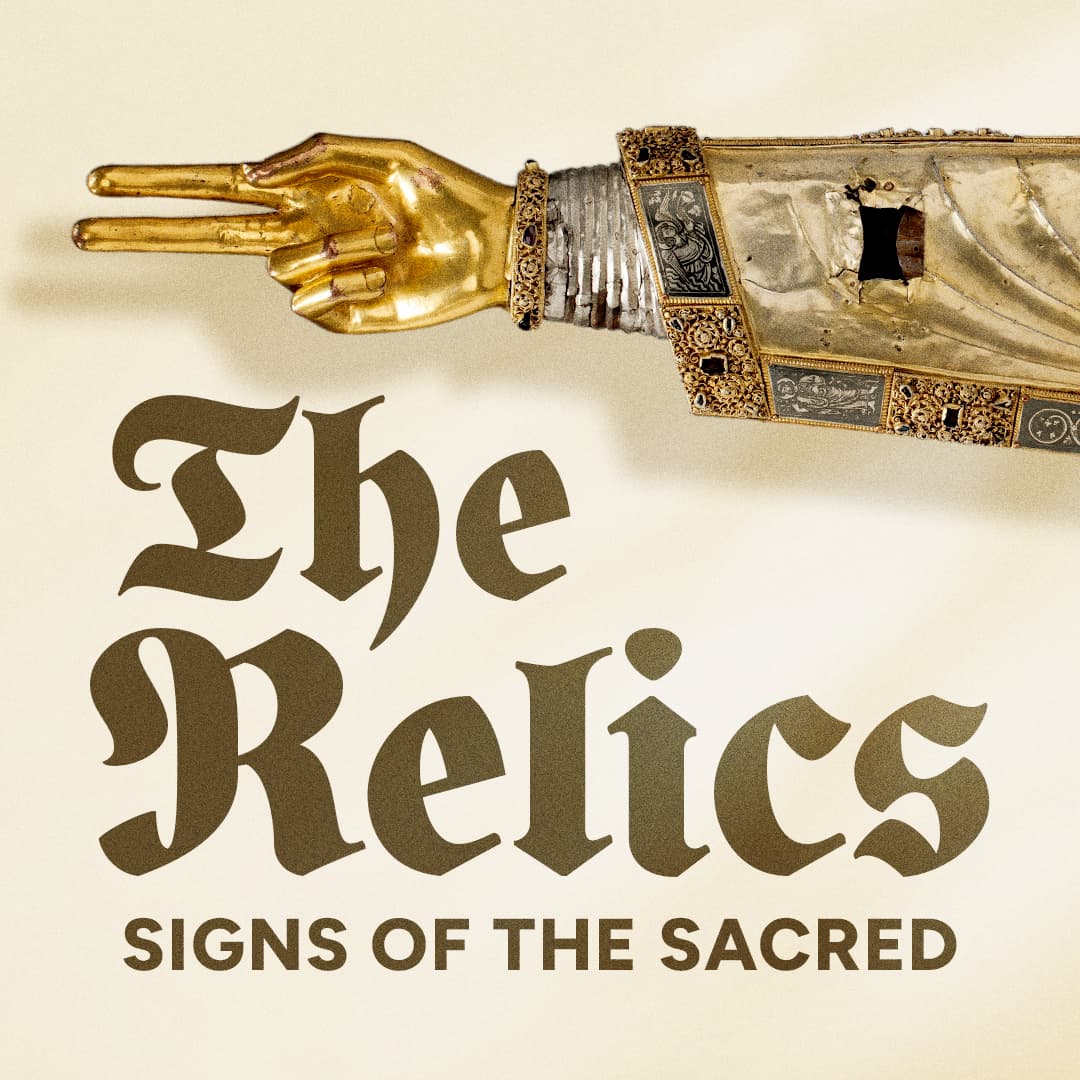
Tradition tells us that the wooden fragments preserved in the basilica come from the manger of Bethlehem, the very one in which, according to the gospel, Mary laid the newborn child. It is not a crib in the modern sense, but rather a set of wooden boards that once formed the humble feeding trough where the story of salvation began. The reliquary that holds them is a precious work of art, a silver and crystal case made in the 1800s. Allowing the faithful to gaze upon the wooden fragments set within.
For centuries, Romans and pilgrims alike have affectionately called it the crib of Jesus, because before those pieces of wood, it is easy to imagine the living nativity of Bethlehem. But how did they arrive in Rome? According to tradition, the relics were brought in the 4th century, when Empress Helena, mother of Constantine and tireless seeker of the holy places, visited the Holy Land and had several relics of Christ transported to Rome. From that moment on, St. Mary Major became, alongside Bethlehem itself, one of the privileged places to venerate the mystery of the Nativity.
Even today, the Holy Crib is at the center of one of the most moving celebrations of the year. On Christmas Eve, the reliquary is carried in procession and placed beneath the altar, as though the entire basilica were transformed into the grotto of Bethlehem. It is a ritual that unites the centuries, reminding the faithful that the God who became man is not a distant idea.
But a child who chose to be born in the poverty of a manger. St. Mary Major is often called the Bethlehem of Rome, precisely because here, the mystery of Christmas becomes tangible. To enter the basilica and pause before that reliquary is, for many, to relive the wonder of the nativity scene. To feel that God has drawn near. Fragile, small, like every child. And perhaps this is the greatest gift of the Holy Crib. Not simply an object of veneration, but a sign that reminds all, pilgrims and tourists, Romans and foreigners alike, that the Christian faith is born of a God who chose to share our humanity from the very beginning. From his first breath. From his first sleep in a manger.