Several chalices claim to be the one to first hold the Precious Blood of Christ at the Last Supper. But which, if any, is the true chalice? An exploration of the Holy Grail’s deeper meaning begs another question. Does it really matter?
Transcript
Read the full transcriptAuto-generated · 367 words
A chalice, simple yet precious at the same time. According to tradition, it is the cup Jesus used at the Last Supper, and the one Joseph of Arimathea later used to collect his blug at the foot of the cross. This is the mystery of the Holy Grail, the relic that inspired medieval legends, chivalric romances, and still today continues to capture the imagination of millions.
The first time we hear about the Grail is in the 12th century, in the songs of troubadours and in nightly epics. In these stories, the Grail is not yet a relic kept in a church, but a mysterious object to be sought after, a symbol of purity and salvation.
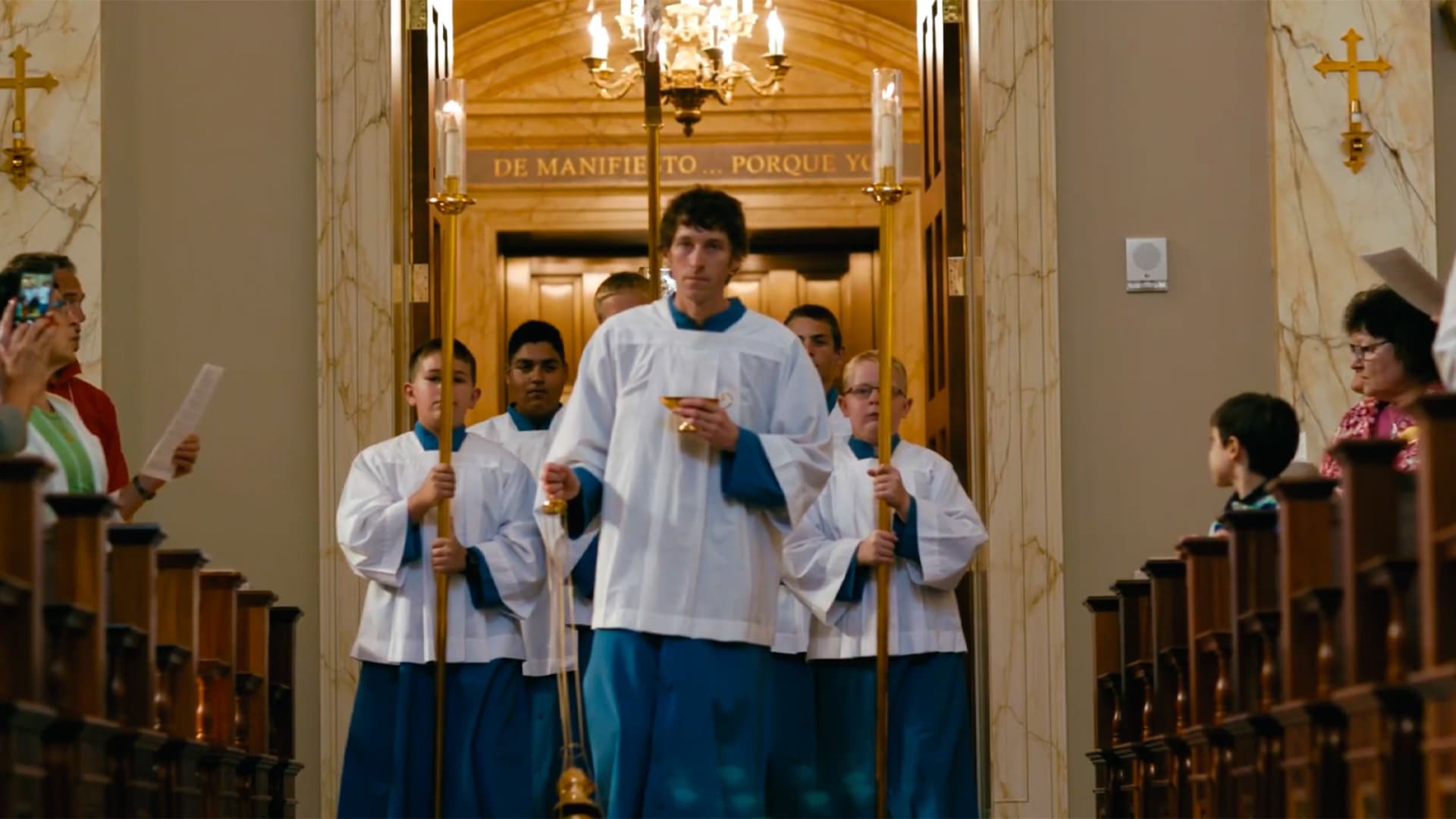
For the Knights of the Round Table, it represented the reward of a spiritual quest, the sign of a heart worthy of encountering God. Beyond the legend, the grail has also been identified with real relics. In Valencia, Spain, a dark agate chalice dating back to the first century is preserved, considered by many scholars to be the most plausible candidate. It has been used by popes and is still carried in procession on solemn occasions.
In England, at Glastonbury, legend says that Joseph of Arimathea arrived with the grail and hid it in the famous chalice well. In Genoa, within the treasure of the Cathedral of San Lorenzo, there is another chalice venerated as a possible grail. And in Rome, similar relics are preserved in some of the city's most ancient basilicas.
The grail seems to multiply, and with it, its fascination. It is not only a physical object, but a symbol of inner searching, of thirst for God, of a desire to see beyond appearances. Whether in Valencia, in Glastonbury, or hidden who knows where, it continues to speak to every age, reminding us that the greatest treasure is not material.
But spiritual. In the end, the Grail teaches us that each of us has a chalice to seek, not an object to possess, but an experience to live. The encounter with what truly quenches the thirst of the heart. And perhaps that is why, even without ever being found, it continues to inspire and to make us dream.