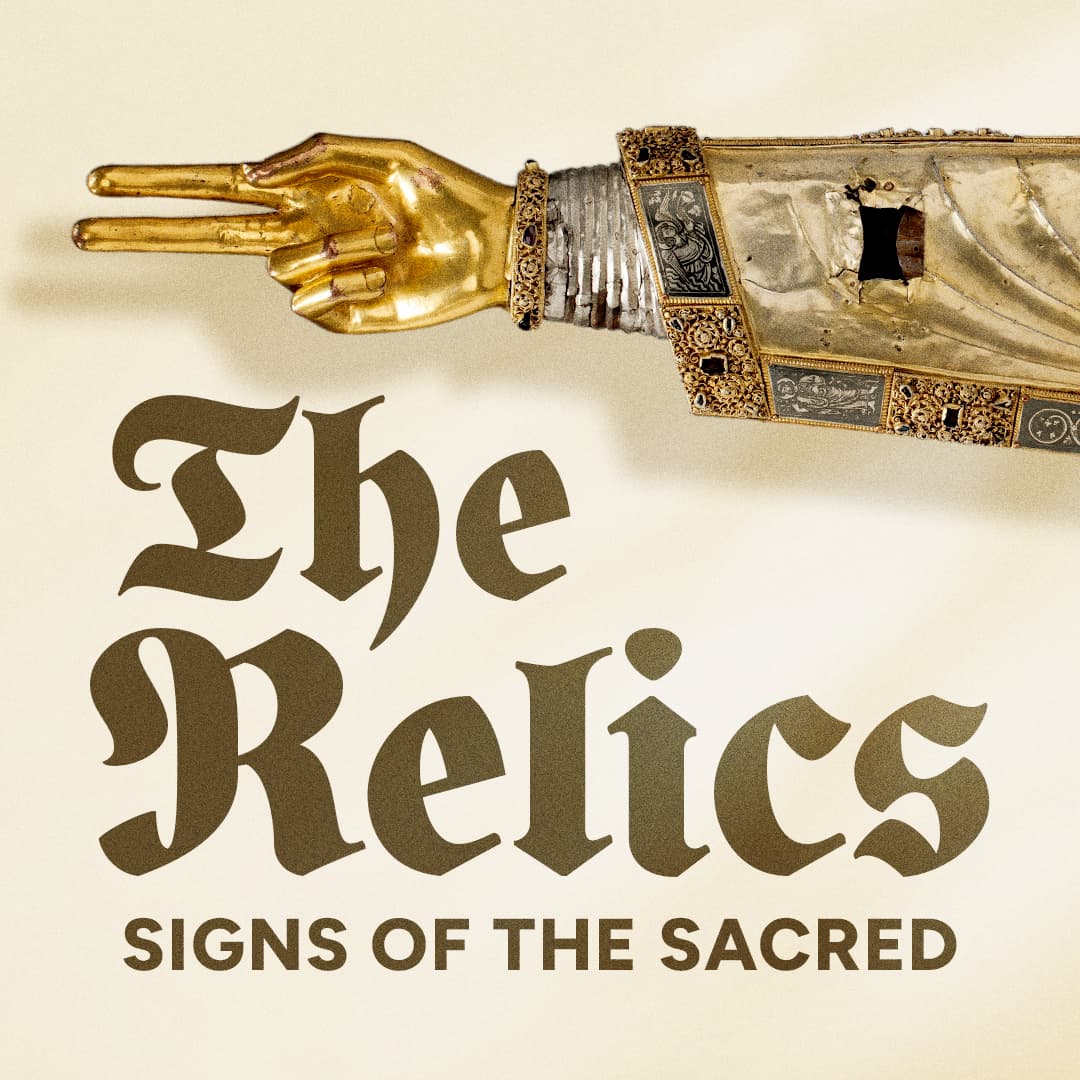
Just as the cross, an instrument of torture and death, came to represent a gateway to eternal life, the spear of the centurion who pierced the side of Jesus reaches through time as a sign of revelation and conversion.
Transcript
Read the full transcriptAuto-generated · 472 words
Among the most fascinating and debated relics of Christ's passion is the Spear of Longinus, the lance that, according to tradition, pierced the side of Jesus as he hung upon the cross. Its name comes from the Roman centurion Longinus, who, legend says, witnessed the miracle.
Struck by faith and by the revelation of Christ's divinity, he converted on the spot, recognizing in that sacrifice the power of divine love. The story of the spear weaves through centuries of legends, pilgrimages, and mysteries. After the Passion, it was venerated as a sacred relic, passing from hand to hand among popes, emperors, and kings.
Today, some fragments are preserved in Rome, within St. Peter's Basilica, kept with great devotion. Other important pieces are housed in Vienna, in the treasury of the former Imperial Church, and in Innsbruck, where the relic is displayed to the faithful on solemn occasions.
In earlier centuries, the spear was said to have traveled through the Holy Land and across Europe. Carrying with it a reputation for miracles and conversions. But the Spear of Longinus is more than an object of history. It is a symbol of faith, revelation, and transformation.
The act of piercing Christ's side, seemingly an act of cruelty, became, for the centurion, a moment of revelation, a bridge between the human and the divine. The blood and water that flowed from Christ's body at the touch of the lance did more than confirm the reality of his passion.
They marked the birth of a new faith, one capable of touching the hearts of believers. Across the centuries, the spear has stood at the center of incredible tales, of mysterious journeys, thefts, and triumphant returns, of pilgrims traveling from all over Europe to see or touch even the smallest fragment.
The relic has inspired artists, theologians, and saints, and it continues to speak today through the quiet power of its presence, the allure of its history, And the echo of that extraordinary moment on the cross. Those who gaze upon the spear, whether in Rome or elsewhere in Europe, can still sense the deep symbolic force it carries.
It is not merely iron and wood, but a sign, reminding us of conversion, faith, and hope, even in the darkest moments of life. Each fragment tells a story of pain transformed into revelation, of a man who encountered the divine in a moment of tragedy, and of how that encounter changed his life forever. Perhaps the most powerful message of the Spear of Longinus is this. Even from instruments of suffering, light can emerge. Even from the most tragic events, faith can be born.
The lance reminds us that every act, even one that seems cruel or meaningless, can become an occasion for revelation and transformation for those who have eyes to see and hearts to understand.