Archaeologists in Turkey uncover remarkably preserved traces of early Christianity
Archeologists have discovered the “best-preserved early image of Christ,” ancient Christian messages, and at least a dozen ancient churches in Turkey in recent years, offering a more robust image of the early Church, the Independent reported May 26.

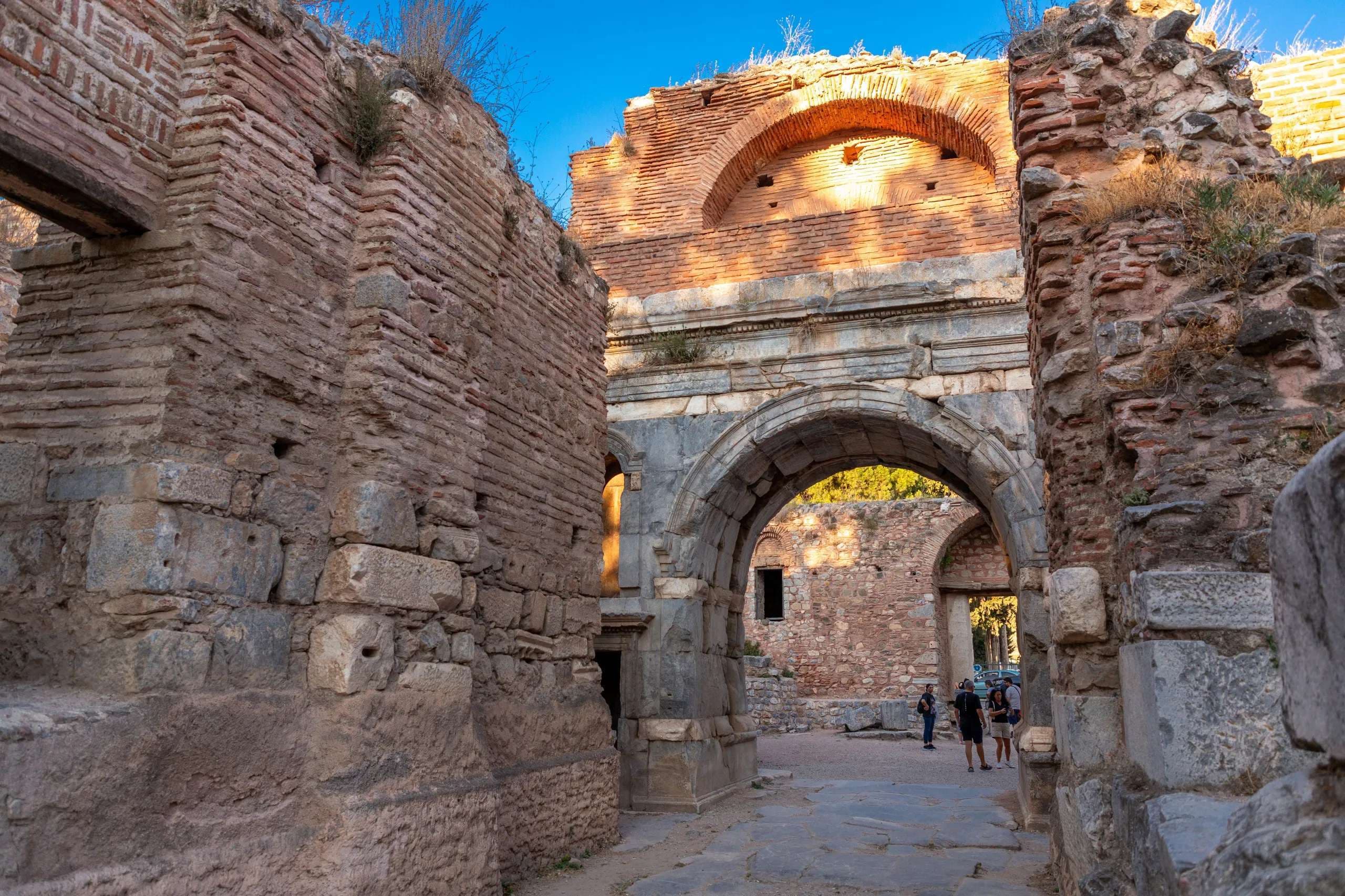
Archeologists have discovered the “best-preserved early image of Christ,” ancient Christian messages, and at least a dozen ancient churches in Turkey in recent years, offering a more robust image of the early Church, the Independent reported May 26.
A 2025 excavation in Iznik, which is in western Turkey, revealed an image on the wall of an underground family tomb that depicts Christ carrying a sheep while surrounded by several sheep.
According to correspondent and historian David Keys, the image, which dates between early- and mid-third century, “is among the five oldest proper images of Christ, as an adult, ever found anywhere in the world.”.
The image remains of such high quality because the sealed tomb kept oxygen at bay, preventing the paint from deteriorating, Keys explained.
“The newly discovered painting gives historians a detailed understanding of how early Christians perceived Jesus — beardless, short-cropped hair and dressed in posh upper-class Roman clothes,” he writes.
Archeologists have also uncovered at least 12 church sites built between the fourth and fifth centuries, along with house churches. One house church discovered in the ancient city of Laodicea is one of just six known surviving structures of its kind in the world.
In ancient Smyrna — modern-day Izmir — researchers are studying what is “arguably, the earliest Christian inscriptions ever found, and possibly the very earliest original Christian writing,” Keys reports.
The messages, which are from the mid-second century, appear to be coded graffiti on a Roman shopping mall wall, and were encoded.
“One — designed like a crossword — is the word 'Logos' (one of Christ's titles, meaning 'The Word'),” Keys writes.
Another discovery indicates that as Christianity expanded, so did its impact on markets in the Roman world. In ancient Ephesus, archeologists uncovered artifacts preserved beneath the ash from a massive fire Persians set when they invaded the region in the late-sixth to early-seventh centuries, according to Keys.
“They even found a shop dedicated to selling souvenirs to Christian pilgrims — including hundreds of tiny pendant-style pilgrim flasks which would have contained sacred oil or holy water,” Keys writes.
The discoveries arrive as global Christianity marks a major historical milestone connected to modern-day Turkey: the Council of Nicaea’s 1,700th anniversary In observance of this historic moment, Pope Leo XIV journeyed to Turkey and participated in an ecumenical prayer service commemorating the council in 2025.
In an address he made during his visit, the Pontiff described Turkey as “a place where the story of the people of Israel meets the birth of Christianity, where the Old and New Testaments embrace, and where the pages of numerous councils were written.”







Comments