BBC: US pro-life movement is influencing young British people
More young people in the UK are embracing the pro-life cause, and some are attributing the shift to the influence of American activists and a rise in Christianity.

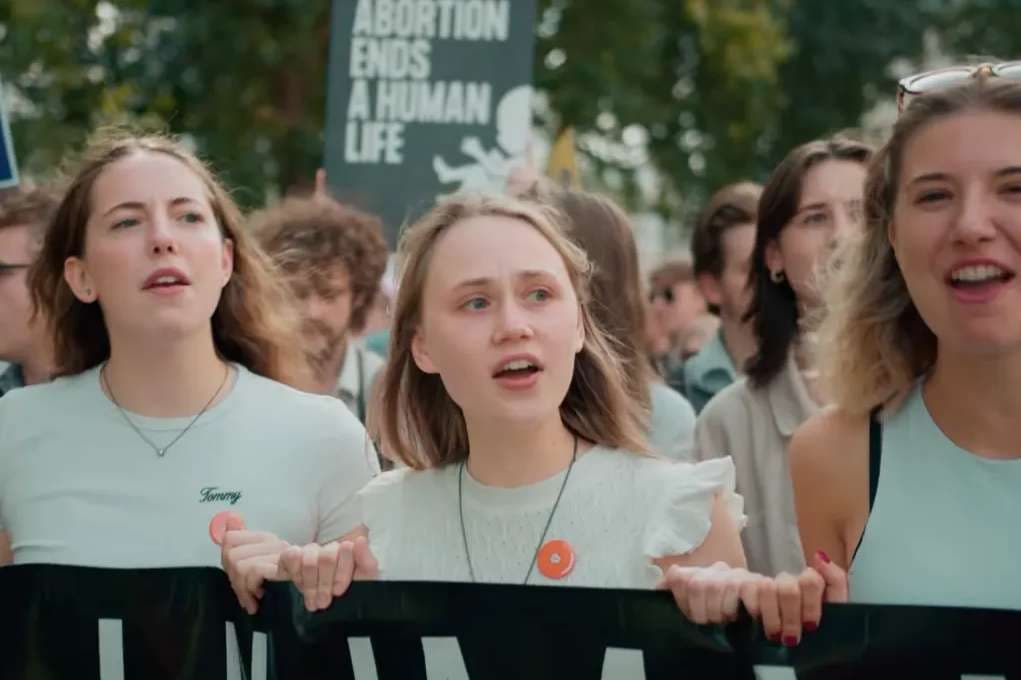
More and more young people in the UK are embracing the pro-life cause, and some are attributing the shift to the influence of American activists and a rise in Christianity.
According to a recent report published by the BBC, pro-abortion activists “say the nature of anti-abortion campaigning in Britain has changed.” Rachael Clarke, chief of staff at the British Pregnancy Advisory Service (BPAS), the country's largest abortion provider, told the BBC she has noticed an increase in the number of pro-life advocates gathering outside abortion facilities.
Clarke she pointed to organized pro-life groups’ efforts as a root cause. "Up until the 2000s you would see maybe a nun or a priest quietly outside the clinic,” Clarke said, “but since about 2013 we were seeing groups like 40 Days for Life protesting.”
The BBC reported, “Clarke says that some British young people have become more interested in anti-abortion ideas, a trend she attributes in part to the likes of 40 Days For Life and other American groups, who she says were galvanised by the US Supreme Court's overturning of Roe v Wade in 2022.”
The outlet also highlighted some of the young people embracing the pro-life movement.
University student John Alexander was raised in the Church of England but said being an Anglican mostly just meant “people sitting in their pews not doing much.” He joined a Pentecostal church that was more involved in social issues and also signed up as a member of his university’s pro-life society.
Alexander said he was also influenced by outspoken American pro-life advocate Charlie Kirk, who was murdered in September 2025. Kirk’s videos, Alexander said, are “kind of hard to escape.”
"In the UK, people want to be polite, so they don't tackle abortion in the same way because they are scared to talk about it," Alexander added. "For those who are frustrated by the culture here, they look at the States and how vocal people are, and [they] are inspired."
Kirk, the founder of Turning Point USA, launched a chapter in the United Kingdom in 2018. Last year, a coalition of 10 pro-life groups in England founded the Charlie Kirk Young Pro-lifer prize on Oct. 14, which would have Kirk’s 32nd birthday.
The inaugural winner, 22-year-old Inge-Maria Botha, founded the pro-life group at the University of Manchester. A revert to Christianity, Botha faced violent opposition when she started the pro-life society, with protestors yelling rape threats and police having to escort pro-life students after the club’s first meeting.
"The award isn't about perfect alignment on every belief with Charlie Kirk, but about courage and action," Botha said. "He was proactive, and unashamed in standing for life. This is why it's deeply meaningful to receive an award that is named after a man who was purposeful in being pro-life."
According to the BBC, “Botha claims that a growing number of her peers are interested in the anti-abortion movement. She says many are motivated by discovering, or (in her case) rediscovering Christianity, particularly Catholicism.”
The BBC also pointed to the financial aspect of the growth in the pro-life movement, reporting that the leading pro-abortion organization Amnesty International UK has observed a significant increase in financial support for the pro-life cause.
“They analysed the expenditure of 25 anti-abortion groups and six UK branches of socially conservative US organisations,” the BBC reported. “Between 2020 and 2023, they say, the expenditure of anti-abortion groups increased by 34%, and British branches of US organisations by 46%.”
Isabel Vaughan-Spruce, director of March for Life UK, spoke to the BBC about the future of the pro-life movement, though the outlet said she was “reticent to say that Britain's abortion debate is being influenced by America.”
“We have a gentler approach here,” she said, “and the UK's anti-abortion movement is older than the US's.”
Vaughan-Spruce, who has been arrested multiple times for standing silently near abortion facilities, said she is excited about the growth in the British pro-life movement.
“When we first started March for Life in 2012, being really honest, we'd get younger people to come to the front for the photographs, because it looked better,” she said. “Now, they're just everywhere."
.jpg&w=3840&q=75)


Comments