European court to determine whether data privacy laws compel erasure of baptismal records
The advocate-general for the European Court of Justice argued that data privacy regulations require Catholic dioceses to destroy the baptismal records of those who leave the Church.
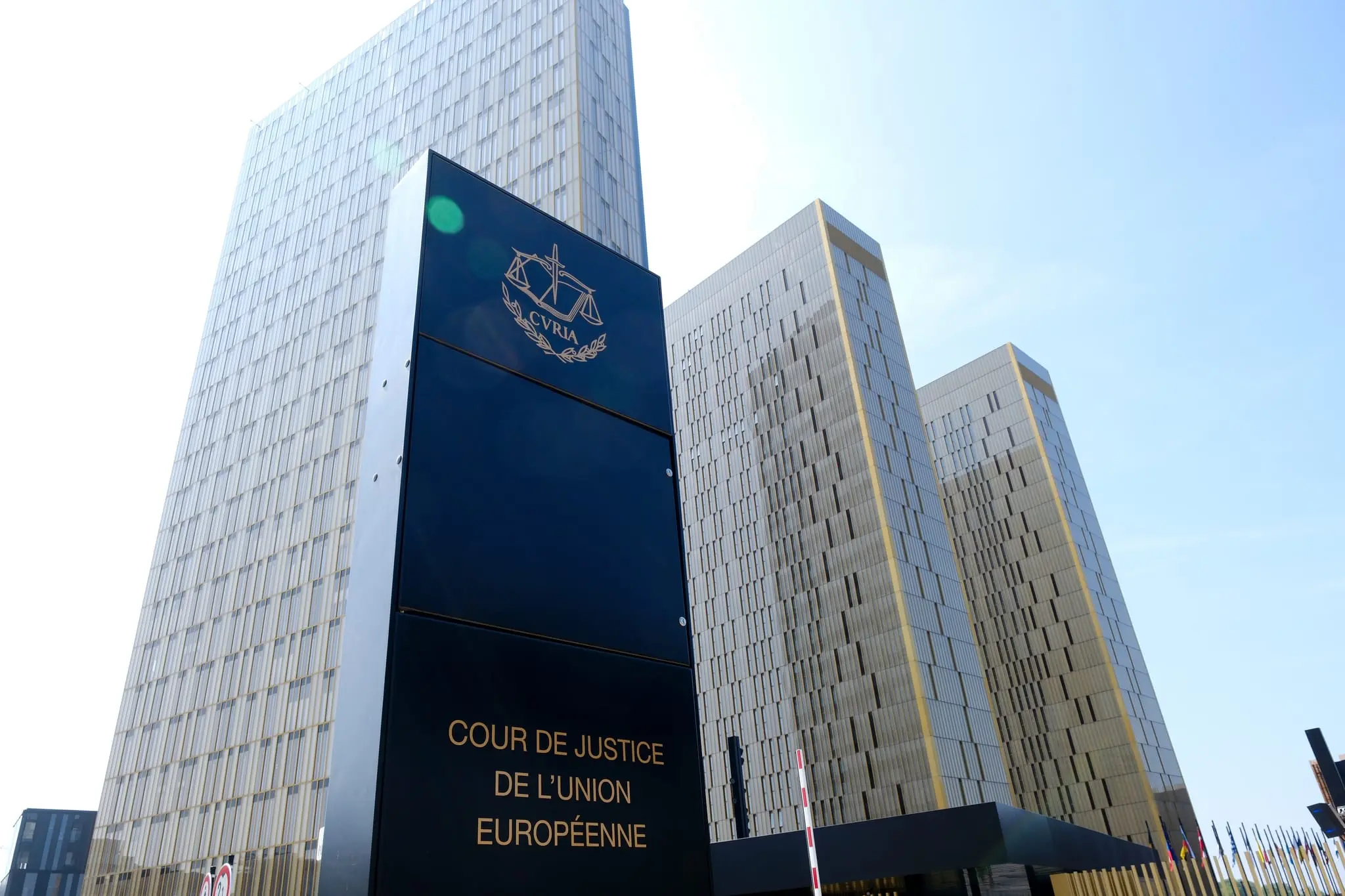
A European data privacy law could be used to force Catholic parishes to destroy baptismal records, a European Union (E.U.) legal authority determined. Laila Medina, the advocate-general for the European Court of Justice (ECJ), ruled on Oct. 1 that the General Data Protection Regulation (GDPR) empowers those who were baptized Catholic as minors and subsequently wish to leave the Church to require the Catholic parishes in which they were baptized to destroy their baptismal records.
Ordinarily, parishes in Belgium would make a note in the baptismal record that the individual has left the Church or no longer identifies as Catholic.
In 2023, the Belgian Data Protection Authority ordered the Diocese of Ghent to destroy the baptismal records of an individual who was baptized Catholic as a minor and subsequently left the Church. The ECJ advocate-general determined in its Oct. 1 ruling that the GDPR does authorize the destruction of baptismal records in such cases unless the diocese can show a compelling legal interest in maintaining the records.
According to the advocate-general, the diocese did not demonstrate a compelling legal interest in maintaining the records and must therefore stop “processing” the records and destroy them or, at the very least, remove any information that could be used to identify the individual, such as name, place of birth, date of birth, and names of parents.
The advocate-general determined that “retaining personal data by a religious community from which a person wishes to dissociate may infringe upon the right to self-determination and, under certain circumstances, cause emotional harm.”
In the E.U., the advocate-general’s ruling is not final; instead it is a preliminary legal opinion which the ECJ will usually take into consideration as it deliberates on the case. The ECJ is not bound to adhere to or even consider the advocate-general’s opinion.
The case will now proceed to the ECJ, where the Diocese of Ghent argues that the mandatory deletion of baptismal records violates the Church’s religious liberty rights and, given the physical nature of the baptismal records, also risks destroying or damaging the baptismal records of other individuals whose names are recorded in the register.
In other E.U. member states, data protection authorities have ruled that individuals do not have the right to compel Catholic parishes and dioceses to delete baptismal records. Ireland’s Data Protection Commission, for example, ruled in 2023 that individuals “do not have the right to obtain erasure of their personal data in the Baptism Registers” under the GDPR, concluding that the Church has a vested religious, administrative, historical, and legal interest in preserving such records.







.jpg&w=3840&q=75)

Comments