EXCLUSIVE | ‘Hope, faith, humor’: Why Flannery O’Connor still speaks to Catholics
An award-winning travel memoir opens a path into the Southern writer’s imagination and distinctly Christian vision of the human heart.

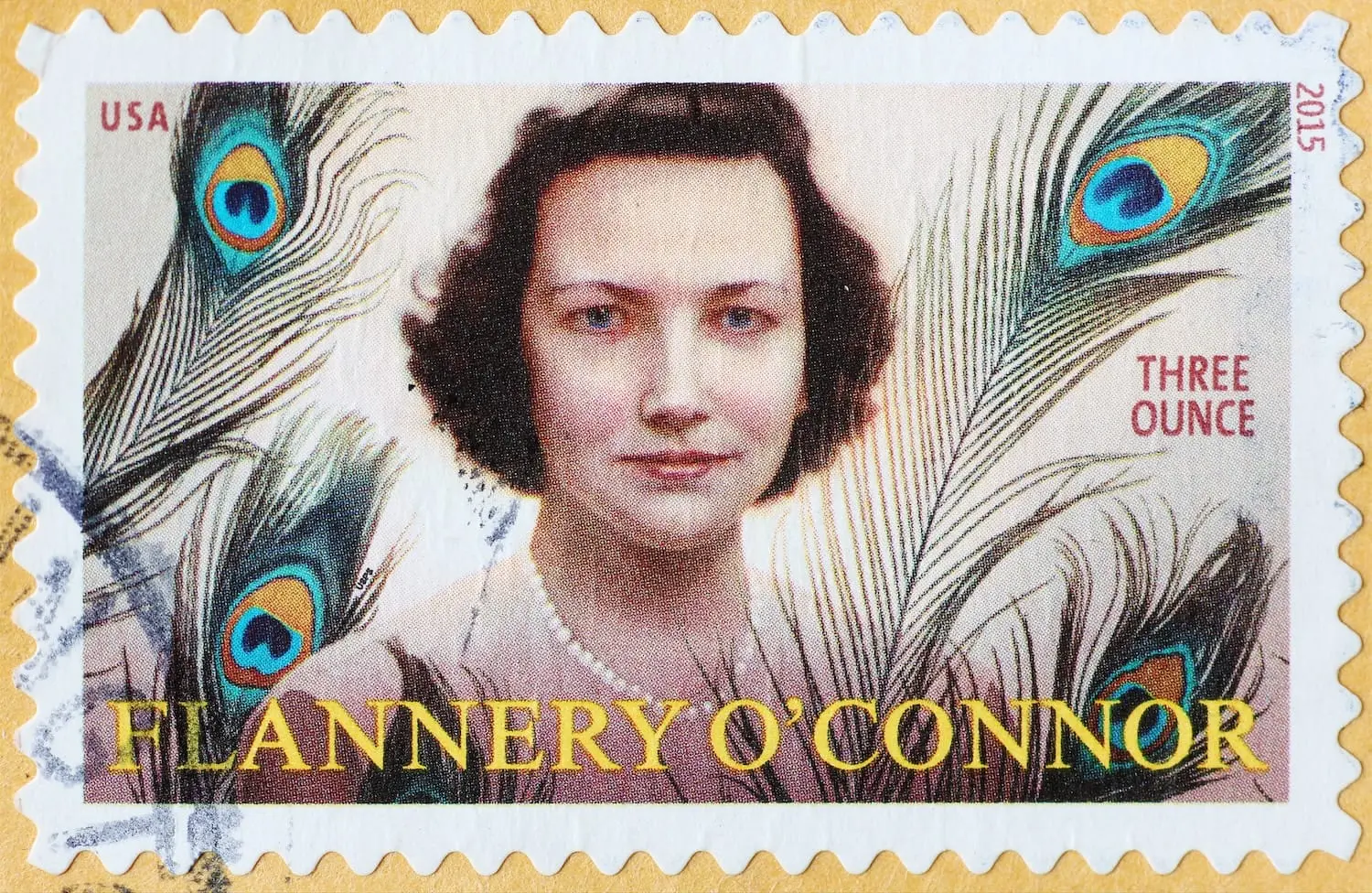
As the Aug. 3 anniversary of Flannery O’Connor’s death approaches, author Roxane Salonen is inviting Catholics to look anew at the celebrated writer’s life, faith, and enduring witness.
Salonen, co-author of Finding Flannery: A Travel Memoir Exploring the Mystique of Flannery O’Connor and the Legacy She Has Left Us All, spoke with Zeale News in a July 20 interview about the literary pilgrimage behind the book and what O’Connor can still offer Catholics today.
“I’ve become endeared to Flannery O’Connor, who has taught me so much about how to bear our sufferings on this earth with hope, faith, and a side of humor,” Salonen told Zeale News. “Flannery was born in March, but her entrance into eternal life came in August, when she laid down her pen for the last time and surrendered her life wholly to God.”
O’Connor has long been celebrated as one of America’s greatest Catholic writers, as Zeale News previously reported.
“Flannery O’Connor is such a blessing, but fairly widely misunderstood,” she said. “We also misunderstood her, which is why my two co-authors and I decided to take a literary pilgrimage to ‘meet the ghost of Flannery.’”
Written with Christina Brajkovich and Karen Anne Mahoney, “Finding Flannery” explores the Georgia places that shaped O’Connor’s imagination and Catholic faith.
Salonen said the authors hoped to make O’Connor more approachable through the fresh perspectives of three generations — a Millennial, a member of Generation X, and a Baby Boomer.
“Our hope for this travel memoir,” she added, “was to be a bridge for those who didn’t know or understand Flannery.”
For Salonen, that bridge was rooted in the unexpected kinship the authors found with O’Connor.
“We were all from the North, and she, a Southerner through and through,” Salonen said. “And yet we were all bound together through our Catholic faith, our writing, and through our shared experience of suffering losses and disappointments in this life.”
Salonen said O’Connor’s example invites Catholics to look more deeply at what her life and work can teach them amid trials of their own.
“Ultimately,” she said, “we wanted readers to know that while Flannery is sometimes best known for her peacocks and fiction, there is so much to learn from her about living in this world of trouble through asking Jesus and the Communion of Saints to join us in our travels.”
“Life is an adventure, and Flannery taught us to embrace this as much as possible, even with shortcomings and trials,” she added.
As a 20th-century figure, Salonen said, O’Connor remains near enough to the present for readers to feel a tangible connection to her life.
“Flannery was a bit closer in time to us, having died in 1964, so she is someone we can ‘touch’ in that way,” she told Zeale News.
Salonen said her co-authors visited O’Connor’s hometown in 2014, including Andalusia, the dairy farm where the writer penned many of her best-known works. Salonen said the property remained “in rudimentary form,” leaving the women with the sense that they “might bump into either Flannery or her mother, Regina, at any moment.”
O’Connor’s example has also shaped Salonen’s approach to journalism.
“As a fellow journalist,” she told Zeale News, “she also has inspired me personally to be strong in my convictions, and speak truth boldly, as she did in her letters in rather overt fashion, and in her stories in a more covert way.”
Salonen also pointed to O’Connor’s insight into human nature as one reason her work remains valuable to readers.
“Her command of the human psyche is incredible,” she said, “and it’s worth getting to know of her talent through her stories and heart. We hope to make it easier to reach her initially through our book.”

.jpg&w=3840&q=75)

Comments