Federal judge blocks Trump’s anti-weaponization fund
A federal judge on May 29 temporarily halted the Trump administration's $1.78 billion "Anti-Weaponization Fund" from transferring money to victims of government “weaponization,” considering any claims, or disbursing payments while legal challenges proceed.

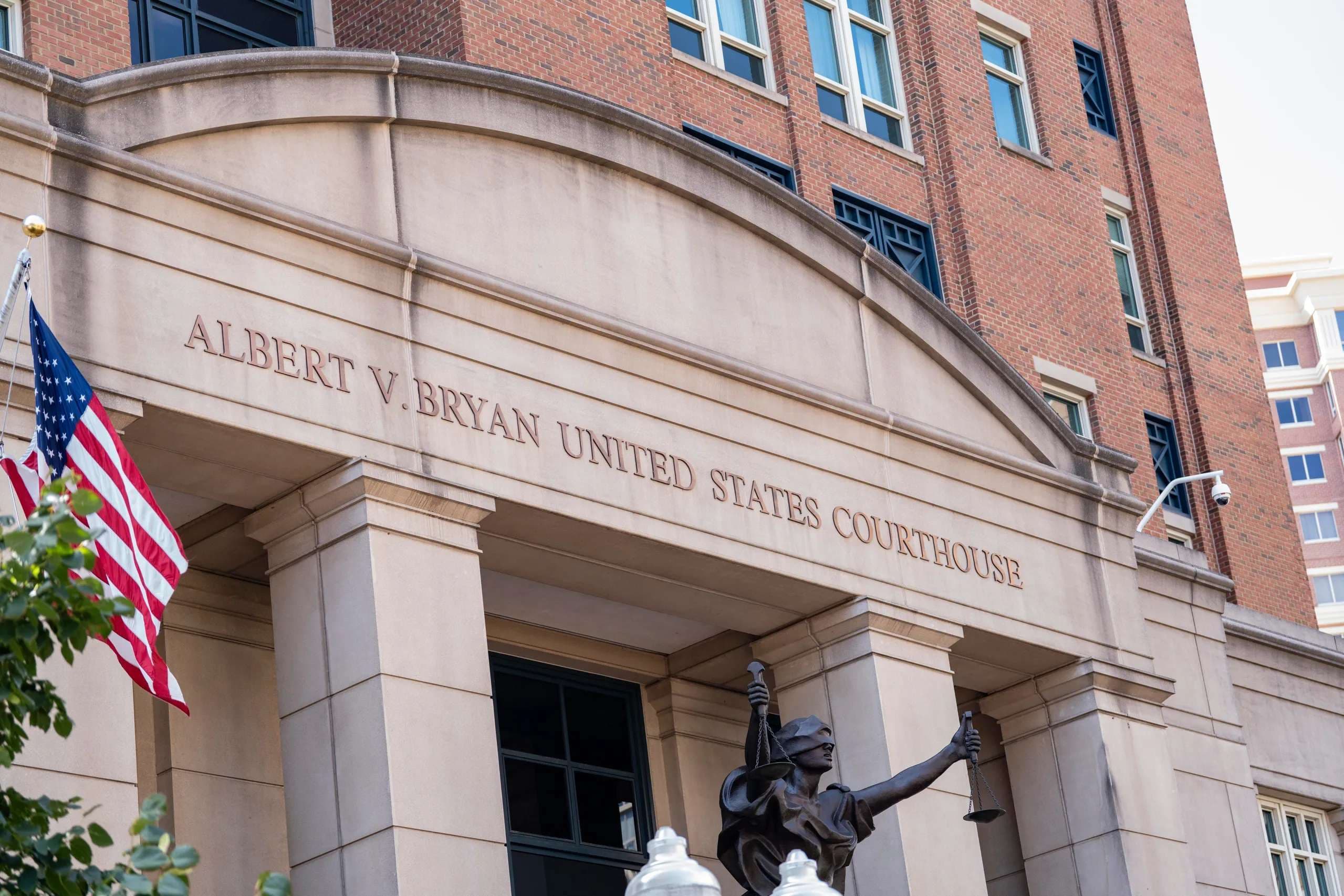
A federal judge on May 29 temporarily halted the Trump administration's $1.78 billion "Anti-Weaponization Fund" from transferring money to victims of government “weaponization,” considering any claims, or disbursing payments while legal challenges proceed.
U.S. District Judge Leonie Brinkema of the Eastern District of Virginia issued the order, saying it was necessary to "ensure that no funds are irreversibly disbursed from the Anti-Weaponization Fund" while motions to block the fund remain pending. She scheduled a hearing for June 12.
Brinkema, a Clinton appointee based in northern Virginia, acted before the Department of Justice (DOJ) had formally responded to the lawsuit, saying she was compelled to rule quickly over concerns the fund might soon begin distributing money.
As Zeale News reported, the fund was announced May 18 by Acting Attorney General Todd Blanche as part of a settlement in President Donald Trump's lawsuit against the Treasury Department and Internal Revenue Service stemming from the leak of Trump family tax returns. Under the settlement terms, Trump, his sons Donald Trump Jr. and Eric Trump, and the Trump Organization would receive a formal apology but no direct monetary payment. In exchange, they agreed to drop the lawsuit and withdraw two other administrative claims.
The fund — drawing from the Treasury's Judgment Fund, a standing congressional appropriation used to pay government settlements — was designed to process claims from people who say they were targeted by government "weaponization and lawfare."
>> Trump lawsuit settlement creates $1.776 billion fund for victims of government ‘lawfare’ <<
Brinkema's order came in a lawsuit filed by Democracy Forward-represented plaintiffs who included former DOJ prosecutor Andrew Floyd, who, before being dismissed in July 2025, headed a task force that investigated the Jan. 6 storming of the U.S. Capitol.
The plaintiffs argued the fund lacks congressional authorization, violates separation of powers and appropriations rules, and amounts to a partisan scheme.
Floyd filed a declaration in the case saying the Trump administration "is gifting the people I helped investigate" access to what he called an illegally created process designed to "rush money out the door to perceived political allies, while treating me and people like me as disfavored enemies."
Skye Perryman, president and CEO of Democracy Forward, called the ruling a “victory.”
"No administration has the authority to spend public money through a political rewards program that Congress never authorized," Perryman said in a statement.
The DOJ said it remained confident the fund would survive legal scrutiny.
"We will not allow the policy preferences of judges to interfere with our efforts to provide restitution to victims of lawfare," a department spokesperson said, adding the fund is "supported by ample precedent, including Obama-era settlements."
The fund drew fierce criticism from both parties on Capitol Hill. Sen. Ted Cruz, R-Texas, said Republican colleagues were yelling at Blanche during a closed-door meeting, calling the fund a foolish idea that could cost the GOP in the midterms. Senate Republican leaders delayed a vote on a party-line reconciliation package in part because of opposition to the fund, NBC News reported.
Reps. Brian Fitzpatrick, R-Pa., and Tom Suozzi, D-N.Y., drafted bipartisan legislation to eliminate the fund altogether.
Trump defended the fund on Truth Social, writing that he "gave up a lot of money" by allowing the fund to proceed instead of pursuing direct personal damages.
"I am helping others, who were so badly abused by an evil, corrupt, and weaponized Biden Administration, receive, at long last, JUSTICE!" he wrote.
Blanche did not rule out making payments to Jan. 6 defendants when he testified before lawmakers. Some defendants pardoned by Trump, including those convicted of seditious conspiracy or assaulting federal officers, have signaled their intent to apply.
Brinkema's case is one of at least four lawsuits challenging the fund. A federal judge in Washington has set a separate hearing on blocking the fund for June 10, two days before Brinkema's scheduled proceeding.


Comments