Global response to Maduro’s capture grows
The Jan. 3 U.S. operation that captured Venezuelan leader Nicolás Maduro has rapidly reshaped political, military, and economic dynamics.

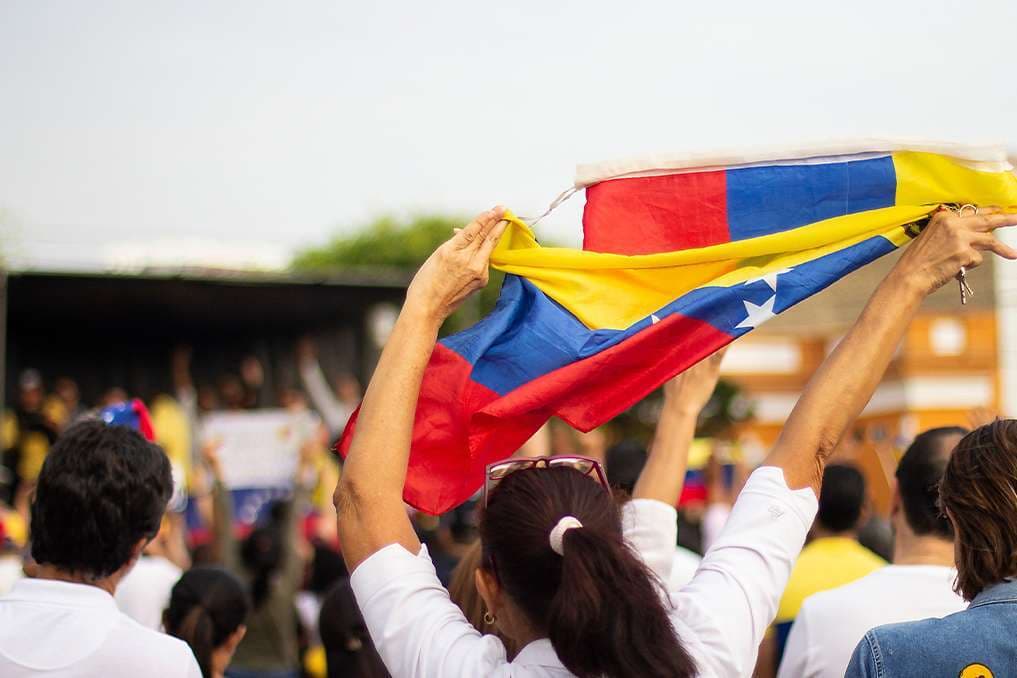
The Jan. 3 U.S. operation that captured Venezuelan leader Nicolás Maduro has rapidly reshaped political, military, and economic dynamics.
Maduro and his wife, Cilia Flores, pleaded not guilty Jan. 5 in New York federal court to four criminal counts, including drug trafficking and weapons charges, as CatholicVote previously reported. In the days since the couple’s capture, Washington has signaled potential changes to oil policy, authorities in Caracas ordered arrests tied to the operation, and markets reacted to the prospect of renewed Venezuelan oil production.
Inside Washington
President Donald Trump said in a Jan. 5 NBC interview that U.S. oil companies could begin operating more broadly in Venezuela in less than 18 months. The level of investment will determine the pace.
“A tremendous amount of money will have to be spent,” Trump said, arguing that rebuilding Venezuela’s deteriorated infrastructure would be necessary before tapping its oil reserves. He said renewed production could help lower global oil prices.
Currently, Chevron is the only major U.S. oil company operating in Venezuela. The New York Post reported that Exxon Mobil and ConocoPhillips exited the country nearly two decades ago after the nationalization of their assets under former president Hugo Chávez.
“Having a Venezuela that’s an oil producer is good for the United States because it keeps the price of oil down,” Trump said on NBC.
A source told NBC News on Jan. 6 that Energy Secretary Chris Wright is in talks with executives about traveling to Venezuela to upgrade infrastructure and increase oil production.
U.S. stocks edged higher Jan. 6, with investors focused on the possibility of Venezuela reemerging as a source of oil supply, according to The New York Times.
Inside Venezuela
The Venezuelan government issued a state of emergency decree over the weekend ordering authorities to begin a search for anyone accused of promoting or supporting the U.S. military operation that led to Maduro’s capture, FOX News reported. The decree was published Jan. 5. It does not specify what charges detainees could face.
As CatholicVote previously reported, Venezuela swore in Delcy Rodríguez as interim president Jan. 5. Rodríguez, a close confidant of Maduro, initially denounced the U.S. operation but later struck a more conciliatory tone, saying Venezuela seeks a respectful relationship with the U.S. CatholicVote reported Jan. 3 that Secretary of State Marco Rubio said the administration will assess remaining regime figures based on their actions going forward.
Meanwhile, the Venezuelan military acknowledged casualties from the operation in a post on Instagram. The military said 24 of its service members were killed during the raid, according to NBC News. As CatholicVote previously reported, a New York Times account cited Venezuelan officials estimating roughly 80 total deaths tied to the operation, including 32 Cuban citizens. The Trump administration said the Cuban citizens were involved in guarding Maduro, and no Americans died.
U.S. public opinion
A new Reuters/Ipsos poll shows a partisan divide over Trump’s decision to order the operation. The survey of 1,248 adults nationwide was conducted Jan. 4-5 and cited by FOX News. It found that 65% of Republicans support the strike that captured Maduro, compared with 23% of independents and 11% of Democrats. About one-third of all respondents approved of the mission, while 34% disapproved, and the remainder said they were unsure.
Concern about deeper U.S. involvement was more widespread. Seventy-two percent of adults surveyed said they worry the U.S. could become too involved in Venezuela, including majorities of Democrats (90%), independents (74%), and Republicans (54%).



Comments