Man who lost both grandmothers to euthanasia speaks out: ‘It just wrecked me'
A man who lost both of his grandmothers to Canada’s “medical assistance in dying” (MAiD) euthanasia program is speaking out about the pain of that loss, which he says is far greater than natural death would have caused.

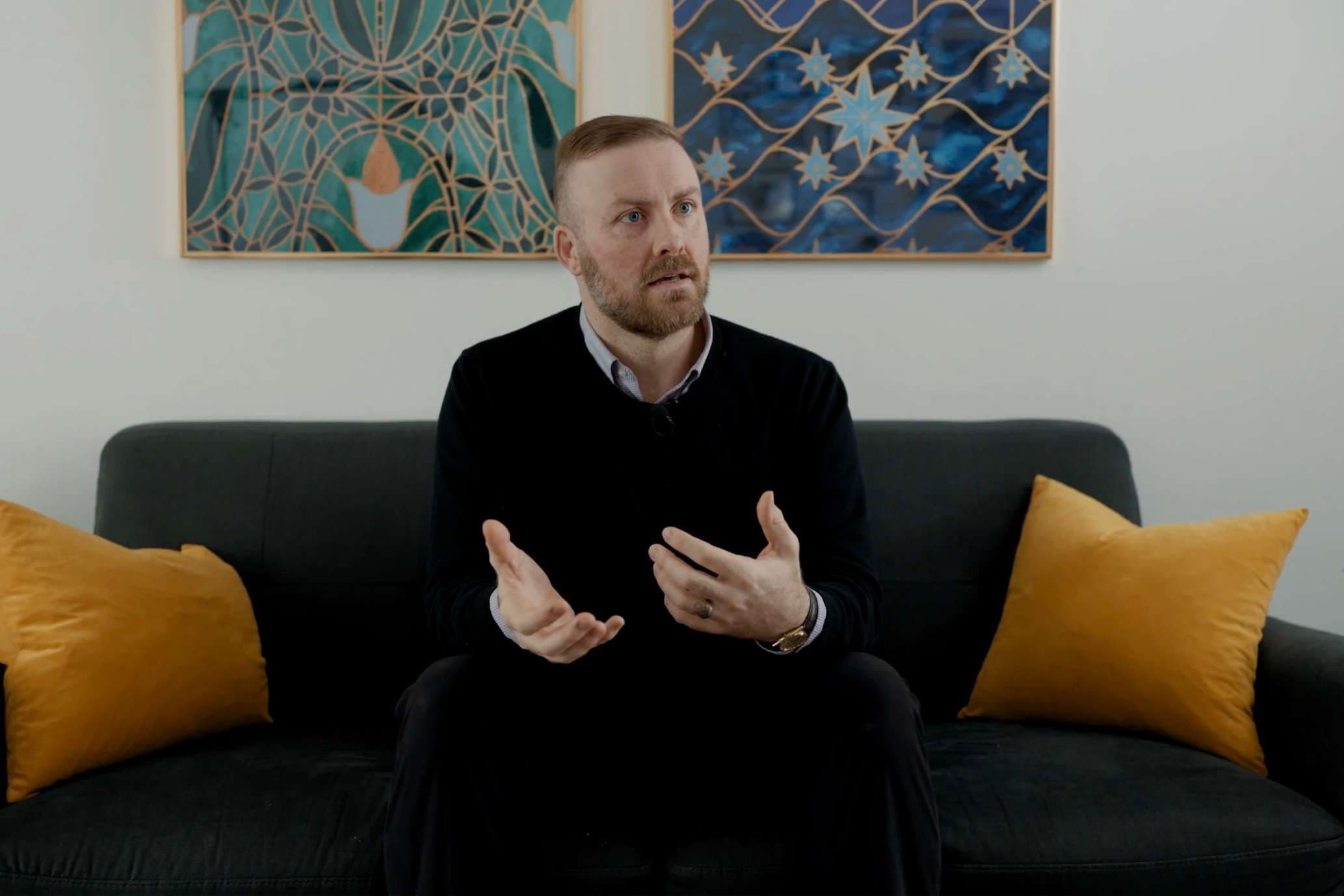
A man who lost both of his grandmothers to Canada’s “medical assistance in dying” (MAiD) euthanasia program is speaking out about the pain of that loss, which he says is far greater than natural death would have caused.
In an interview with Catholic Canadian anti-euthanasia activist Amanda Achtman posted to X Nov. 1, Benjamin Turland explained that both of his grandmothers died from MAiD within two months of each other.
The day his parents called him to tell him his grandmother had decided to be euthanized, he “felt like someone punched me in the gut,” he recalled.
He said his grandmother was already likely going to die naturally within a few days, so he said he “didn’t understand why [she’d] want to go through with this.”
“It just wrecked me,” he said.
Shortly after, his other grandmother — whom Turland had lived with for three years when he attended college and his grandfather was in assisted care — also chose to be euthanized.
He explained how close they had become when he lived with her, describing her as “one of my closest confidants and one of my best friends.”
He recalled sitting beside her bedside in the hospital, and as he held her hand, she looked at Turland and said, “I know you don't agree with this, and I know this isn't part of your values, but like thank you for letting me do it.”
Turland said he didn’t know how to respond, because he didn’t want his grandmother to be euthanized, but “didn’t feel like I could tell [her] that.”
“There’s a strong guilt,” he said, “like, why didn’t I say something?”
He explained that the message he felt when his grandmother chose MAiD was, “Did I not love you enough? Did I not love you the correct way? Did I not make you feel like you're not a burden?”
Since losing both of his grandmothers to euthanasia, Turland said he has wrestled with the questions, “What did I do wrong, that you would want to end it now, and that you don’t want to stay with me, for like, a little bit longer?”
If he was given the chance to have even two more days with his grandmothers, he would take it, he said.
“I’m like, yes I would have taken that, over anything — because now I don't have you,” Turland said. “It's like I'm wondering, what could I have said, what could I have done, to make you feel like a day, two days, three days, is worth it, even if you can't talk? Like even if your eyes are closed, you know, even if I just get to like, hold your hand, kiss your forehead, stroke your hair, be in your presence, remember your life, remember our memories, with you in the room. I think it's worth it.”
Turland’s grandfathers both died of natural causes. There is always grief in losing loved ones, but euthanasia compounds the pain, according to Turland.
“It's the choice of MAiD that hurts,” he said. “With my grandfathers, I couldn't have done anything about them passing. That was just the natural time for them to go. But when you choose it, then you feel like, there's something I could have done, and it impacts multiple generations.”
Turland advised people considering speaking to their grandparents about these topics to not shy away from it.
“There's never a good time to have that conversation, and so if there's never a good time to have it, then now, then now is the best time to have it,” he said.
He emphasized that there is validity in grandchildren’s opinions of what grandparents choose and “that you mean more to your grandparents than you probably know.”
He noted that as a grandchild sometimes because of the generational gap, it can be hard to feel like one’s opinion is valid, but, he stressed, “It matters.”
“The conversation might even be painful to have, but it won't be more painful than the pain you feel when that person chooses MAiD or euthanasia,” he said.
Achtman asked what grandchildren can do when they find out their grandparent is considering euthanasia. Turland encouraged expressing love and a desire to spend every last moment possible with them.
They’re “going to feel so loved by you, that you want to be with them to that last breath — and so you can't lose anything by telling them how much you love them and you want to be with them,” he said.
Since Canada legalized euthanasia in 2016, almost 90,000 people have died by MAiD, and the number continues to rise, according to Canadian veteran Kelsi Sheren.
In June, Achtman said in an X post that adult grandchildren are increasingly telling her about losing their grandparents to MAiD.
“I'm telling you,” she wrote, “this is creating intergenerational trauma – the consequences of which are just beginning to be seen.”



Comments