Pew finds most regular churchgoers hear politics from the pulpit
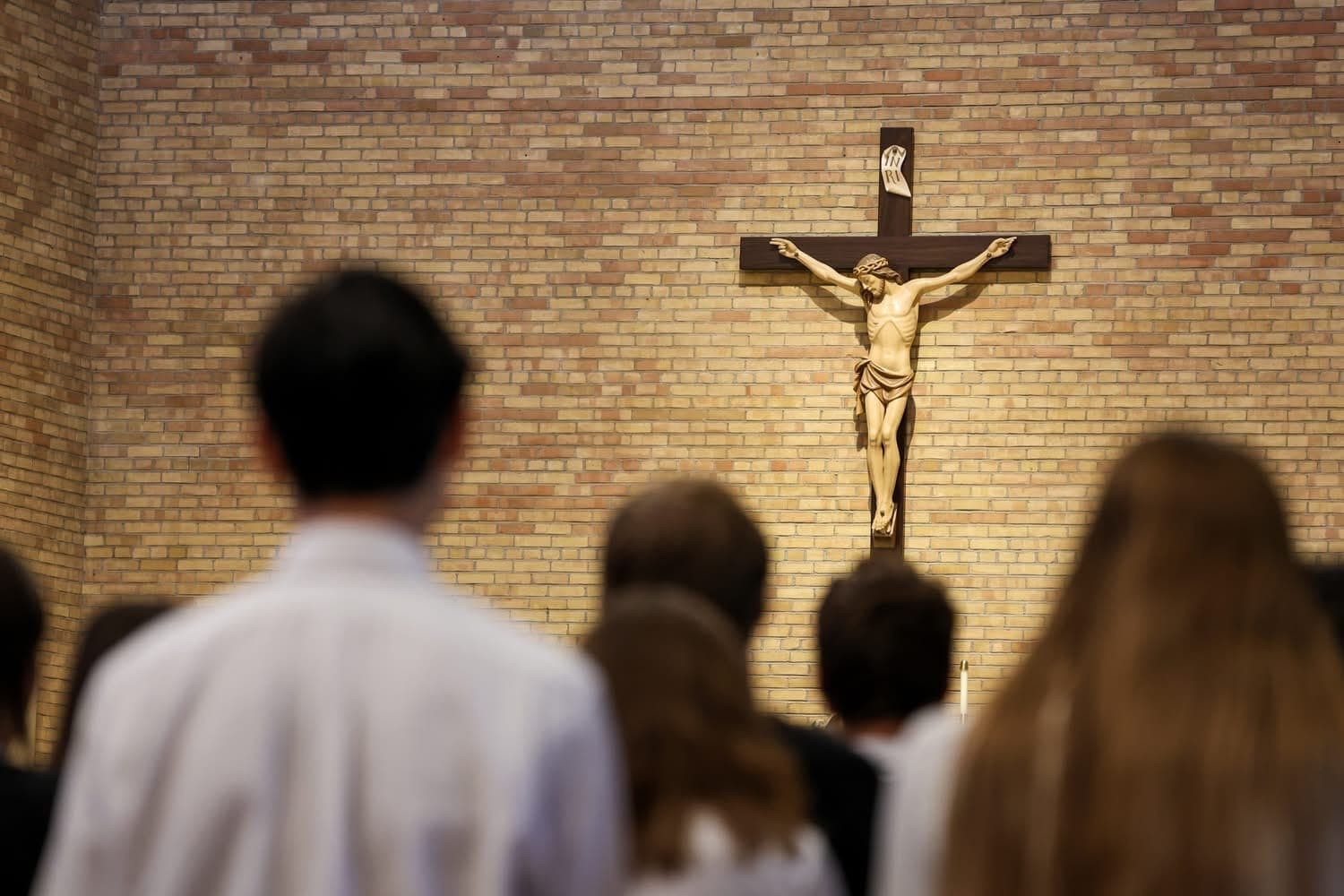
The majority of Americans who attend church at least once a month say their religious leaders have recently preached on at least one political or social issue, with abortion and the conflict between Palestine and Israel ranking among the most frequently discussed topics.

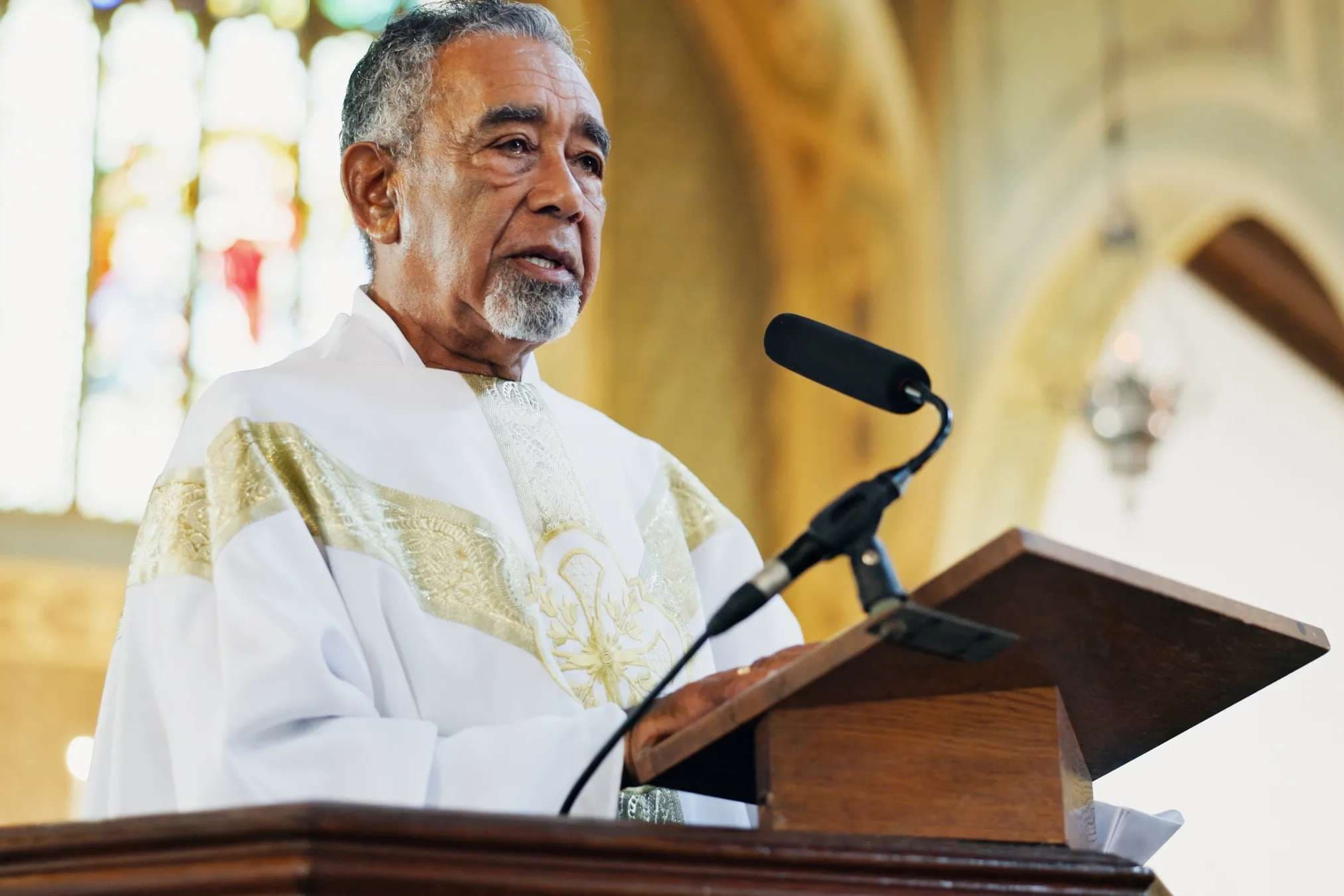
The majority of Americans who attend church at least once a month say their religious leaders have recently preached on at least one political or social issue, with abortion and the conflict between Palestine and Israel ranking among the most frequently discussed topics.
In a survey of 1,391 adults conducted in early April, the Pew Research Center found that 66% of regular churchgoers had heard clergy preach on abortion, Israel, homosexuality, immigration, U.S. military action in Iran, the environment, or transgenderism in the past few months. Though the survey included respondents from all faith traditions, Pew said there were not enough Jews, Muslims, Buddhists, Hindus, and members of other non-Christian religions to accurately assess their experiences.
Abortion was the most commonly discussed issue, with 35% saying they had heard sermons on the topic. It was closely followed by Israel (34%) and homosexuality (31%). Pew reported that clergy generally tended to preach against abortion, homosexuality, and transgenderism and offer comments in support of Israel, with only small minorities taking opposing positions.
On issues such as immigration and environmental concerns, clergy tended to focus on welcoming and supporting immigrants (15%) or protecting the environment (15%) rather than advocating for stricter immigration enforcement or criticizing environmental regulations.
Catholics were most likely to hear homilies on abortion (49%) or immigration (41%), followed by U.S. military action in Iran (30%) and the environment (28%). Catholics and most Protestant groups also said their clergy were more likely to express support for immigrants and environmental protection than opposition for those issues.
White evangelicals were especially likely to hear sermons on abortion and homosexuality (43% and 42%), while black Protestants were most likely to hear messages about Israel (32%), immigration (31%), and homosexuality (30%).
White non-evangelical Protestants said they heard their pastors discuss the environment (27%) more than any other issue. Their religious leaders generally were less likely to discuss political or social issues from the pulpit than other Christian denominations, but were the only group to have as many pastors preaching acceptance of LGBT-identifying individuals as those who condemned those lifestyles.



Comments