Pope Leo at June 14 Angelus: Jesus ‘suffers for and with us’
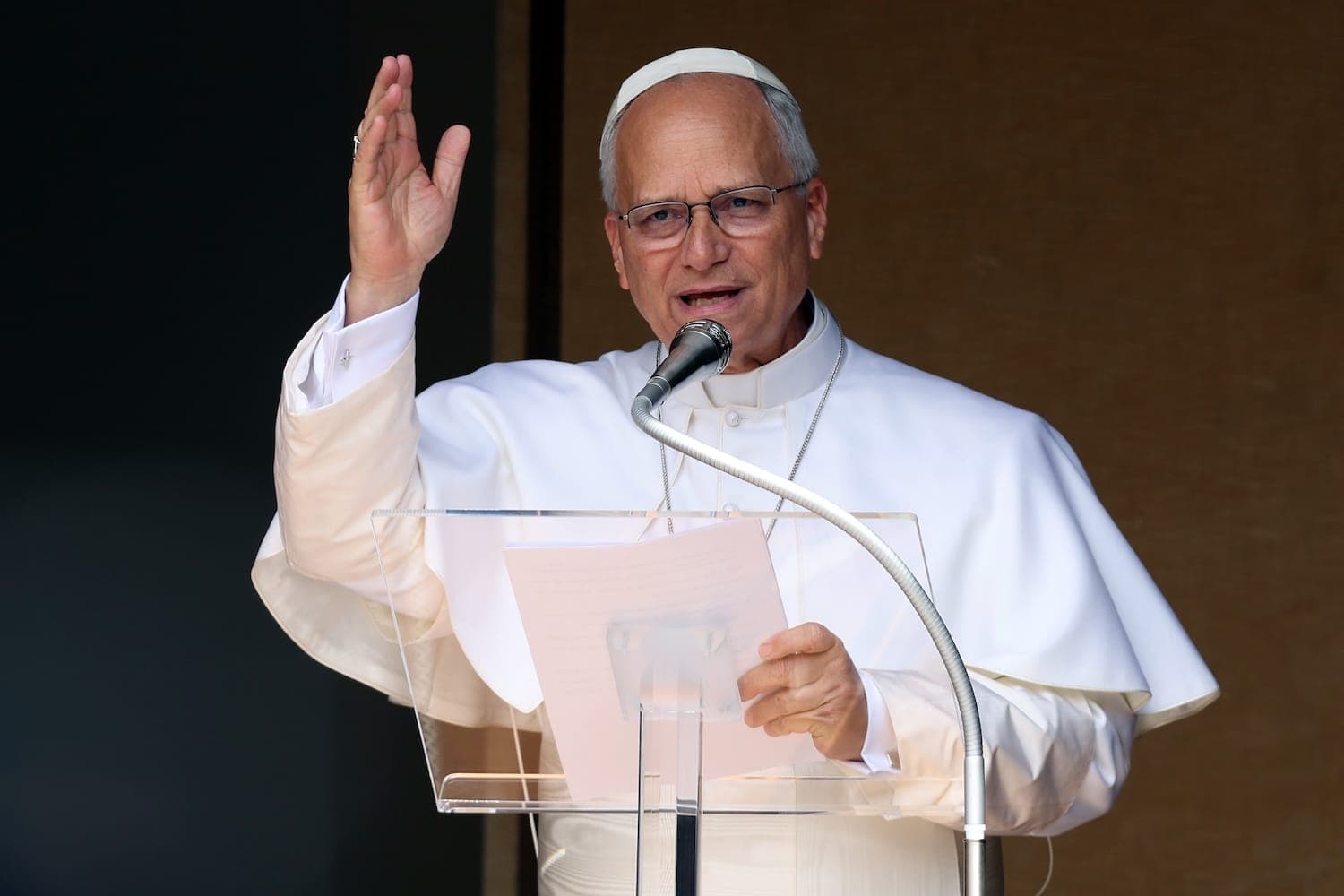
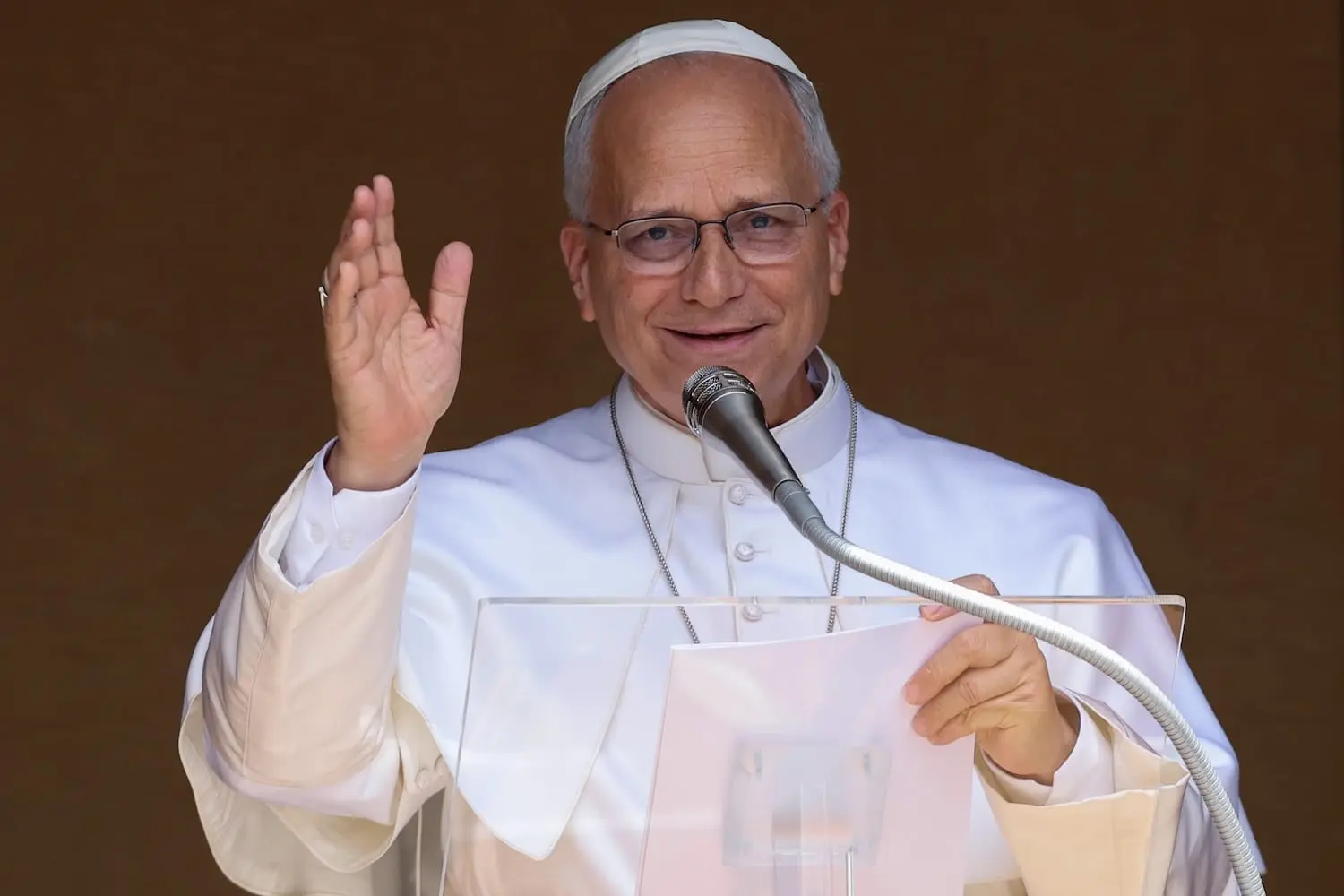
Pope Leo XIV said at his June 14 Angelus that Jesus continues to see and respond to the wounds of humanity, suffering “for and with us” as He looks with compassion on a world burdened by war, violence, and falsehoods.
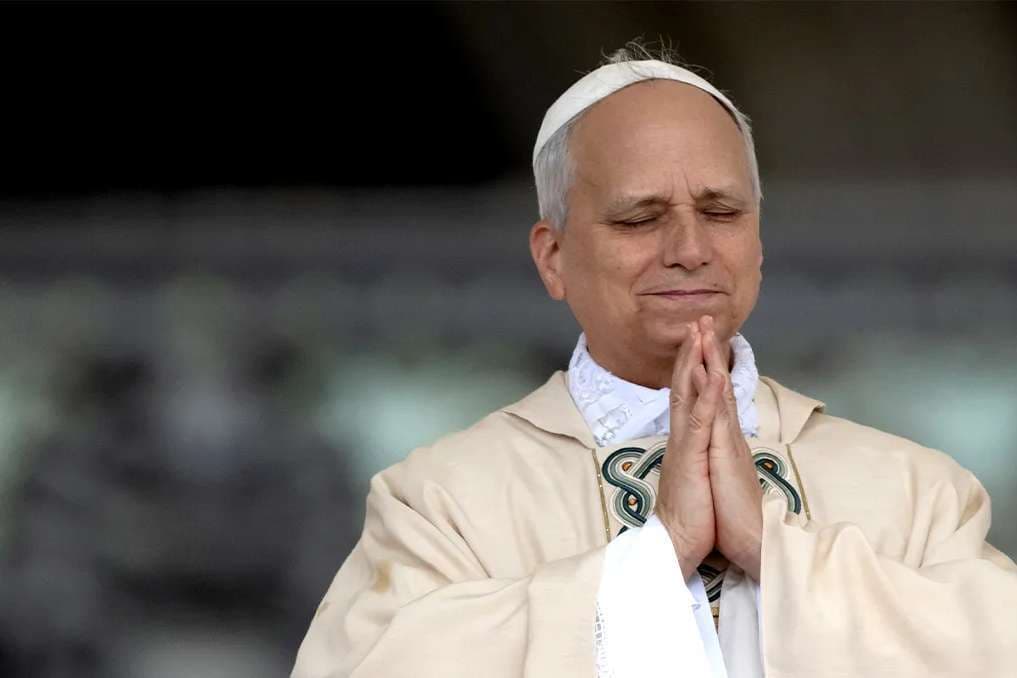
Pope Leo XIV said at his June 14 Angelus that Jesus continues to see and respond to the wounds of humanity, suffering “for and with us” as He looks with compassion on a world burdened by war, violence, and falsehoods.
“Having become our brother, the Son of God looks at the people, he looks at humanity: he sees the oppression that burdens and the violence that causes strength to fade,” the Holy Father said, reflecting on the day’s Gospel (Mt 9:36-10:8) in which Jesus takes pity on the crowds gathered around Him.
Jesus is moved by “the wounds of war and the emptiness of consumerism,” Pope Leo continued. “He sees faces reduced to masks, families torn apart by evil, and young people misled by false ideals.” But the Lord reacts with love to these evils, the Pontiff explained, and with a longing to free us from them. “Jesus sees and loves. He loves and suffers for and with us: his compassion expresses not only fraternal closeness, but his desire to redeem.”
Pope Leo added that the Lord “knows our hearts and cares for us” and that Christ devotes Himself to all as the Good Shepherd, sending “workers into the field of the world” to offer aid and comfort to the suffering.
The Gospel of the day lists the names of the first 12 “workers,” Christ’s apostles. And among them, the first named is Simon (Peter). “But we also find Judas Iscariot, named last, to remind us that one can follow Jesus and betray Him,” Pope Leo noted. “Even so, the Gospel remains for all a living and true word. The Good News that spans the centuries is the same, always young, fresh, and liberating.”
Those who follow Christ today are recipients of the same call with which Christ first sent workers into the suffering world, the Holy Father explained, urging Christians to be bold in evangelization.
The first proclamation, that the Kingdom of Heaven is near, is still good news to the world, “because in Jesus Christ, God draws near to every man and woman, to every people and nation,” Pope Leo explained. “When this Gospel is proclaimed and lived out, evil crumbles like a disease that passes away, like a night giving way to dawn, like death conquered by the risen One.”
The gaze of Jesus on the crowds in the day’s Gospel is still upon the people of this time – a gaze that “transforms reality,” the Holy Father said. “Filled with love, His initiative gives birth to a new people, the Church, called to continue the mission of the apostles.”
“Dear friends, the task of evangelization springs from God’s gift, which in Christ becomes forgiveness for the world, service to the least and the poor, and a commitment to justice,” the Pope concluded. “Let us invoke the help of the Virgin Mary, full of grace, so that we may respond with joy and courage to the mission to which Jesus calls us.”
In his remarks after the Angelus, the Holy Father also spoke affectionately about his just-concluded apostolic journey to Spain, assured those suffering in the aftermath of an earthquake in the Philippines of his prayers and his closeness to them, and mentioned a number of newly beatified priests.
Fathers Václav Drbola and Jan Bula, from Moravia, and Polish Salesian priests Frs. Jan Šwierc and eight companions “were beatified as martyrs, as victims of the persecution by totalitarian regimes because of their fidelity to Christ,” Pope Leo said. Another newly beatified martyr, Roman missionary priest Fr. Nazareno Lanciotti, “defended the poorest in the name of the Gospel.”
“May the example and intercession of these courageous witnesses sustain the mission of priests and of the entire Church,” the Pontiff prayed.



.jpg&w=3840&q=75)


Comments