Pro-life org sues over Utah IVF practices, alleging wrongful death
A pro-life organization recently sued seven Utah in-vitro fertilization (IVF) clinics for wrongful death, alleging that the clinics violate state law by routinely discarding unused embryos as part of the IVF process.

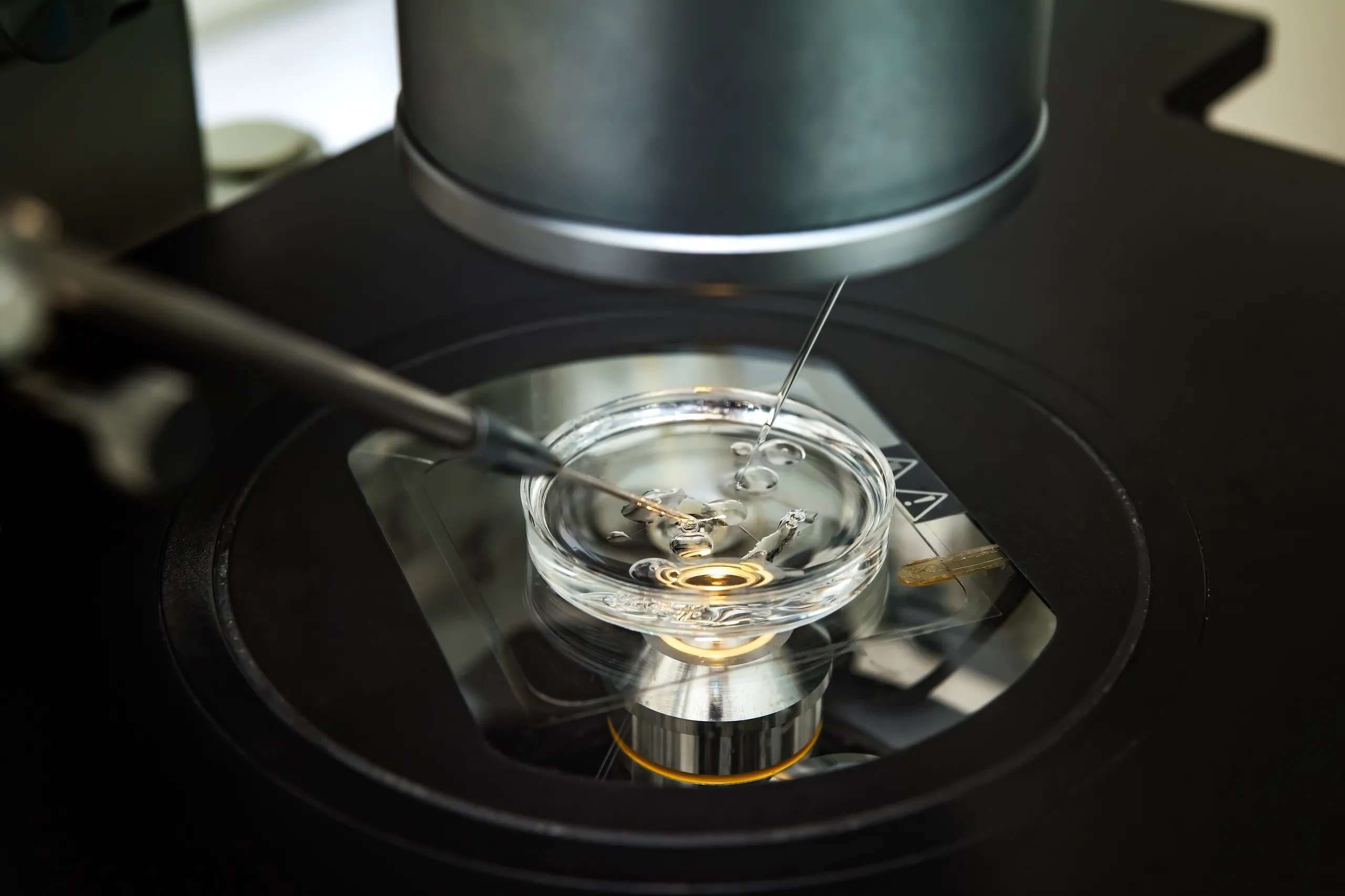
A pro-life organization recently sued seven Utah in-vitro fertilization (IVF) clinics for wrongful death, alleging that the clinics violate state law by routinely discarding unused embryos as part of the IVF process.
Voice for the Voiceless filed the suit April 30, arguing that since Utah’s state laws safeguard human rights “regardless of age, development, condition, or dependency, including all persons with a disability,” embryos created through IVF fall under those protections, according to WORLD.
Kriss Martenson, cofounder of Voice for the Voiceless, said that the suit is not intended to create a new law but rather “uphold the law that we already have on the books.” He told WORLD that existing laws in Utah, if clarified, can serve to protect embryos who are created without ever being intended for use.
The suit alleges the IVF clinics’ standard practice is to “dispose of, allow to die, fail to protect, and/or otherwise kill the embryos the clinic believes are not viable.” As only about one in four embryos created in a typical IVF cycle are considered “normal,” according to WORLD, the others are left to die after fertilization or are discarded if they may have genetic issues. Among the healthy embryos, only one is generally implanted, while the others are frozen or discarded as well.
Frank Mylar, who is representing Voice for the Voiceless, said he doesn’t believe parents know how many embryos the IVF process destroys.
“Very few, if any, labs are really choosing ethics over expediency and cost savings,” he said, according to WORLD.
A Utah woman who went through IVF is joining the suit, claiming that she was not informed of or asked to make decisions on the treatment of her embryos. She reportedly attempted to have 12 eggs fertilized; however, only two were successfully fertilized, and the clinic told her they were abnormal. She says she was not told what happened to the embryos or the remaining eggs.
WORLD reported that the suit is not attempting to entirely quash Utah’s IVF laws but is rather advocating for ethical IVF practices. According to local CBS affiliate KUTV, Dave Mallinak, spokesman for Voice for the Voiceless, has additionally pointed to other fertility treatments, such as NaProTechnology and Restorative Reproductive Medicine.
He added, “Our lawsuit is really an appeal to the state of Utah to enforce its own laws regarding equal protection of human life.”
>> Op-ed: IVF is a real temptation for Catholics facing infertility, but not the answer <<




Comments