Saint of the day, June 3
The Uganda Martyrs are not a quaint missionary story. They are about power, sexual predation, and the hard collision between Christian moral law and a ruler who treated bodies as property.
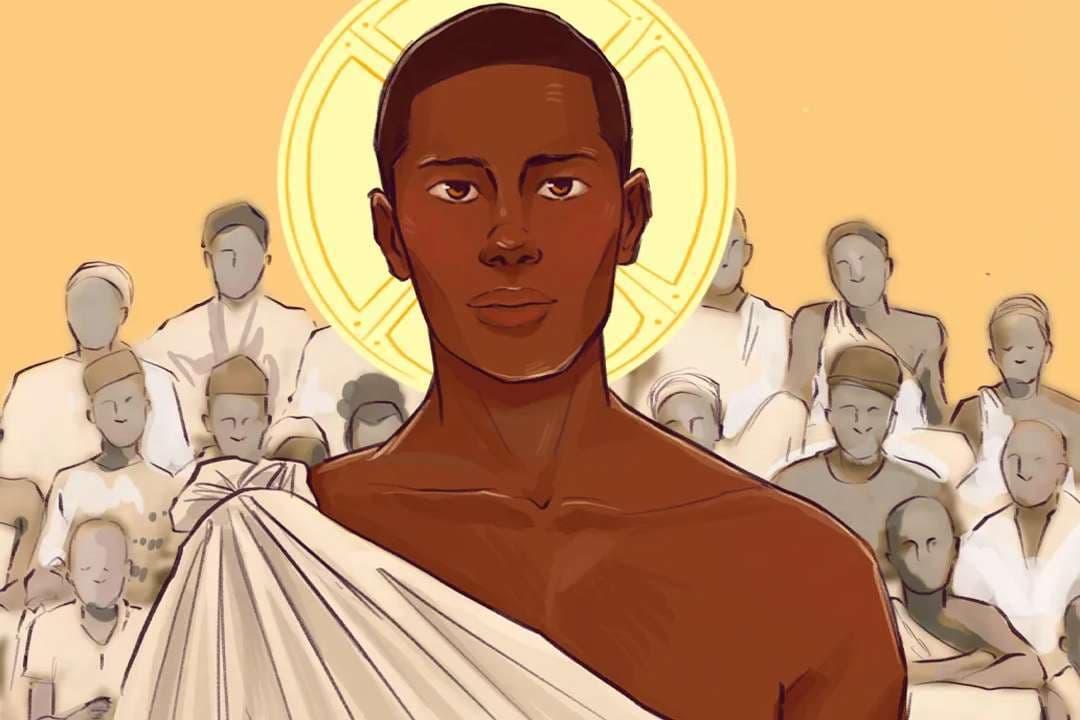
June 3: Saints Charles Lwanga and Companions, Martyrs
Born: (Various), Uganda
Died: 1885–1887 (especially June 3, 1886), Namugongo, Uganda
Nationality: Ugandan
Vocation / State: Martyrs (laymen and catechists, plus some pages at court)
Attributes: Palm of martyrdom; flames; cross; royal court imagery
Patronage: African youth; converts; catechists; those resisting sexual coercion
Canonization: 1964, by Pope Paul VI
The Uganda Martyrs are not a quaint missionary story. They are about power, sexual predation, and the hard collision between Christian moral law and a ruler who treated bodies as property.
In the 1880s, Kabaka Mwanga II ruled Buganda. The royal court included many young pages, and Mwanga demanded sexual access and absolute loyalty. Christian teaching introduced a direct threat to that system: chastity, conscience, and the idea that the king is not god.
Charles Lwanga, a Catholic catechist and leader among the pages, became a pillar of resistance. He baptized and instructed young men, strengthened them to refuse the king’s demands, and encouraged fidelity even as the danger escalated. When persecution intensified, a group of Christians (Catholic and Anglican) were condemned. Some were burned alive at Namugongo; others were executed in different ways. The cruelty was not incidental: it was meant to terrify the court into submission.
The martyrdoms did the opposite. Their witness became seed. The Church in Africa has repeatedly pointed to them as proof that Christianity is not a foreign moral veneer but a faith capable of producing indigenous, heroic sanctity under extreme pressure. Pope Paul VI canonized them in 1964, explicitly highlighting Africa’s vocation within the universal Church.
Their exemplary act is stark: they preferred death to sexual slavery and idolatry. In an age that often treats “consent” as negotiable for the powerful, these martyrs remain urgently relevant.
Saints Charles Lwanga and Companions, pray for us!




Comments