Trump administration to seek Supreme Court relief after court blocks third-country deportation policy
Attorney General Todd Blanche called third-country removals “an entirely legal and invaluable tool” to stem illegal immigration and said the administration would immediately ask the Supreme Court to intervene after an appeals court blocked its current deportation policy.

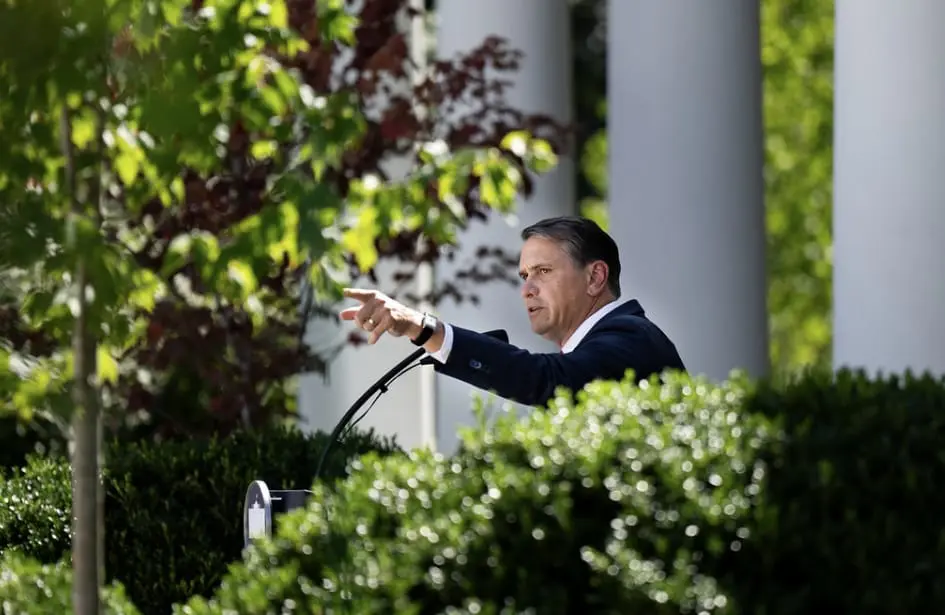
Attorney General Todd Blanche said Sept. 24 that the Trump administration would ask the Supreme Court to intervene after a federal appeals court invalidated its current policy for deporting illegal immigrants to third countries that are different from their country of origin.
The U.S. Court of Appeals for the First Circuit lifted a stay Sept. 23 that had allowed the Department of Homeland Security (DHS) to continue removals under the policy while the court considered its appeal. The order put a Sept. 18 ruling into effect that found the DHS could not deport migrants to countries not named in their removal orders without first giving them a “meaningful opportunity” to argue they could face persecution or torture there.
“Without even allowing the government a chance to respond, and in the dark of night, a federal appeals court blocked us from conducting all third-country removals of illegal aliens, an entirely legal and invaluable tool to stem the tide of illegal immigration,” Blanche wrote on X. “We will immediately seek relief from the Supreme Court, which previously granted a stay in this very same case.”
DHS adopted the policy in March 2025, allowing officials to send migrants with final deportation orders to countries not identified in their removal proceedings without further proceedings if those countries assured the U.S. the migrants would not be persecuted or tortured.
In its Sept. 18 decision, a three-judge panel of the First Circuit upheld a lower court’s requirements for notice and an opportunity to raise safety concerns. It also upheld the lower court’s decision to set aside DHS’s policy guidance.
“An individual’s right to contest removal to a country based on a fear of persecution in that country means little if one does not receive prior notice of the intended removal destination and a meaningful opportunity to contest that destination,” Judge Seth Aframe, a Biden nominee, wrote for the panel.
The Washington Examiner reported that the decision does not hold that third-country deportations are “categorically unlawful,” but instead rejects the DHS’s “rapid-removal process.”
The Sept. 23 order followed a dispute over whether DHS could continue removals before the appeals court issued its formal mandate. Immigration officials sought to proceed with at least one removal involving a Peruvian migrant whom they proposed sending to Ghana or another third country, according to Fox News. The First Circuit’s order made clear that its earlier stay no longer applied.
The Supreme Court has already intervened twice in the dispute. In June 2025, it paused the injunction while the First Circuit considered the administration’s appeal. It later granted the administration’s request to allow the deportation of eight men to South Sudan.
In a social media post Sept. 23, DHS General Counsel James Percival defended third-country removals as an “essential public safety tool.” He said officials use them when a migrant’s country of origin will not accept the person, when the person cannot return there, or when logistical problems prevent removal to that country.
“The Left wants you to believe that removing aliens to countries other than their home country is cruel,” he added in a Sept. 24 X post. “What is cruel is allowing criminal illegals who can’t be sent home to stay in our communities and victimize anew.”



.jpg&w=3840&q=75)



Comments