What is CLINIC? Inside the Catholic network fighting Trump's 75-country visa ban
Founded by the U.S. bishops in 1988, the Catholic Legal Immigration Network has grown into the nation's largest immigration legal aid organization and is now at the center of major immigration litigation.
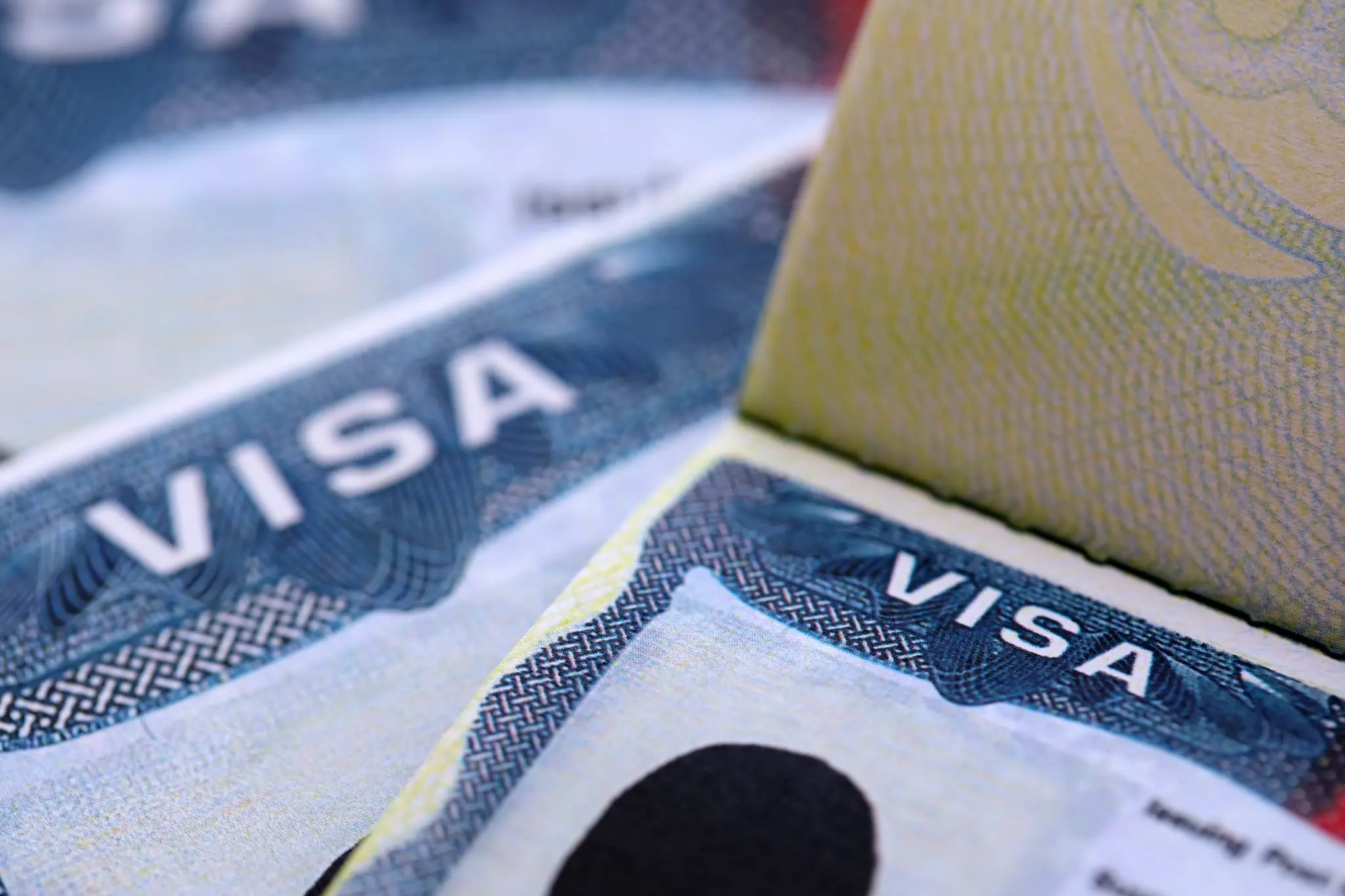
When a federal judge struck down the Trump administration's blanket visa ban on nationals of 75 countries this month, the lead plaintiff behind the lawsuit was a Catholic organization few outside immigration law circles know by name: the Catholic Legal Immigration Network, Inc., known as CLINIC.
Founded by the United States Conference of Catholic Bishops in 1988 as a legally distinct non-profit, CLINIC was created to support a handful of diocesan immigration programs that the USCCB had been running directly out of four cities. Rather than serve immigrants itself, the new organization would train and support a growing network of local Catholic and community-based legal aid programs. That network has since grown from 17 original affiliates to more than 400 programs in 49 states, supporting roughly 3,000 employees who serve close to 500,000 immigrants a year — making CLINIC the largest non-profit immigration legal aid organization in the country.
CLINIC's work spans four program areas: Advocacy, which pushes for immigration policy change in Washington, D.C.; Field Engagement and Training and Technical Assistance, which support its affiliate network with legal training, resources and real-time policy updates; and Religious Immigration Services, a specialized team that helps dioceses and religious orders bring foreign-born priests, sisters, seminarians, and other religious workers into the country.
CLINIC says it represents more than 170 dioceses and religious communities on that front. Guided by the Catholic principle of subsidiarity, CLINIC first relies on its local affiliates to provide direct legal representation for asylum seekers at the border, immigrants in detention or removal proceedings, and formerly separated families, the national office only steps in when the local affiliates can't meet the need themselves.
As an independent 501(c)(3), CLINIC is governed by a 19-member board chaired by a Catholic bishop. The board also includes several other bishops, a senior USCCB official who oversees the bishops' migration and refugee services, and lay members with backgrounds in Catholic non-profit leadership, immigration law and related fields.
CLINIC's religious immigration work notched a significant win earlier this year. In January, the Department of Homeland Security eliminated a rule that had required R-1 religious workers to spend a full year outside the U.S. after reaching the visa's five-year maximum stay before they could reapply.
The policy was already causing major disruption for parishes and religious communities relying on foreign-born clergy and workers, with those clergy and religious leaving the country for a year to ensure they didn’t lose progress toward obtaining a green card.
Archbishop Paul Coakley, president of the USCCB, and Bishop Brendan Cahill, chairman of the USCCB’s Committee on Migration, welcomed the news, saying, “We are tremendously grateful for the Administration’s work to address certain challenges facing foreign-born religious workers, their employers, and the American communities they serve. The value of the Religious Worker Visa Program and our appreciation for the efforts undertaken to support it cannot be overstated. This targeted change is a truly significant step that will help facilitate essential religious services for Catholics and other people of faith throughout the United States by minimizing disruptions to cherished ministries.”
Congress separately extended, through Sept. 30, 2026, the program that allows non-minister religious workers — sisters, brothers and others in religious vocations who aren't ordained clergy — to obtain permanent residency.
CLINIC's highest-profile action this year, though, is CLINIC v. Rubio, filed in February in Manhattan federal court alongside the non-profit African Communities Together and 10 individuals with pending family or employment-based visa petitions. The suit challenged two State Department actions: a Jan. 14 policy suspending immigrant visa issuance for nationals of 75 countries over claims they posed a heightened risk of relying on public benefits, and a November 2025 internal cable that broadened how consular officers evaluate that risk. CLINIC argued the policies were adopted without the public notice and comment required by federal law and exceeded the secretary of state's authority.
U.S. District Judge Jeannette Vargas agreed. In a 61-page decision Aug. 21, she found the visa ban policy "is thus patently unlawful and must be vacated under the Administrative Procedure Act," ruling that federal law gives individual consular officers, not the department, exclusive authority to decide visa eligibility case by case. CLINIC said in a statement that it welcomed the ruling, which reversed “a policy that disrupted lawful immigration pathways and separated families around the world.”
The fight isn't necessarily over. Andrew Arthur, a resident fellow at the Center for Immigration Studies, told Zeale News the administration has a reasonable case on appeal, since the visa reviews were arguably still ongoing rather than a final, reviewable agency decision, meaning the case wasn’t yet ripe for judicial intervention. He predicted an appeals court would ultimately side with the administration on the core legal questions, even as he acknowledged Vargas' ruling wasn't unreasonable on its face.






Comments