Join us for a story of faith and courage in America on this episode of the American Catholic Daily Reader podcast.
Transcript
Read the full transcriptAuto-generated · 424 words
Welcome to the American Catholic Daily Reader podcast. Today is September 30th, and our story is The Pastor of the Poor. Father James Cox knew what work meant to a man. Before his ordination in 1911, the Pittsburgh native drove a cab and worked in the city's steel mills.
Later, he labored in the trenches of France as a chaplain in World War I. Through it all, Cox came to see work as God's way of helping men grow in holiness. Then, when the Great Depression began, he saw how the lack of work could have the opposite effect and lead men astray.
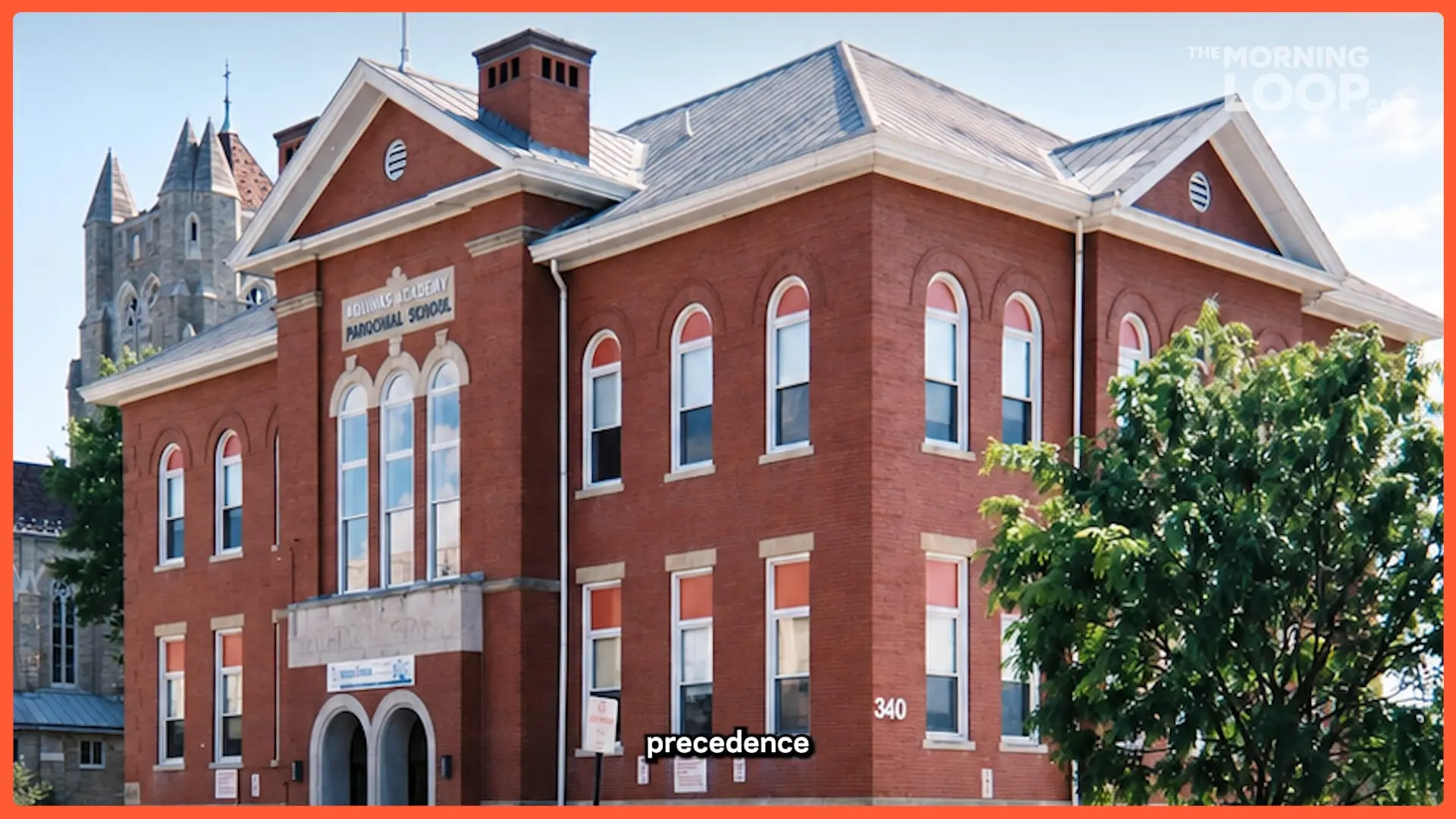
In the Depression's first years, while unemployment in Pittsburgh quadrupled, Cox did what he could to aid the jobless. He opened up a soup kitchen and medical clinic near his parish, Old St. Patrick's Catholic Church. He also set up a distribution center for coal, clothing, and milk. The help was meant for everyone, not just parishioners. If you turn one person away, Mary, I'll strangle you, he told his housekeeper.
As the months passed, Cox grew increasingly frustrated with the government's seeming lack of concern. So, to draw more attention to the plight of the unemployed, he organized a march on Washington, D.C. The march began on January 5, 1932, with mass at Old St. Patrick's. By the time Cox reached the district, 25,000 people marched with him.
Speaking to reporters covering the event, Cox explained, it's not charity these men want, but jobs. He had the same message for President Herbert Hoover when they met later that day. The priest, however, left the meeting dissatisfied. Soon afterward, Cox took matters into his own hands. He organized a new political party, the Jobless Party, and launched his own presidential campaign.
That campaign lasted less than nine months. After arriving in California on September 30, 1932, for a barnstorming tour, Cox suddenly changed his mind and decided Franklin Roosevelt would make a better president than him. He endorsed the Democrat and exited the race.
Cox then returned to Pittsburgh, where he spent the next 29 years serving his parish and Pittsburgh's poor. He passed away in 1951. Cox's life illustrates that true pastoral care engages the whole person, spiritual, physical, and social. Sacrificial love and advocacy can transform communities.
Look for one way to serve someone in need this week, whether through time, resources, or advocacy. Thank you for listening to the American Catholic Daily Reader podcast. Join us tomorrow, October 1st, for another story of faith and courage in America.