Join us for a story of faith and courage in America on this episode of the American Catholic Daily Reader podcast.
Transcript
Read the full transcriptAuto-generated · 425 words
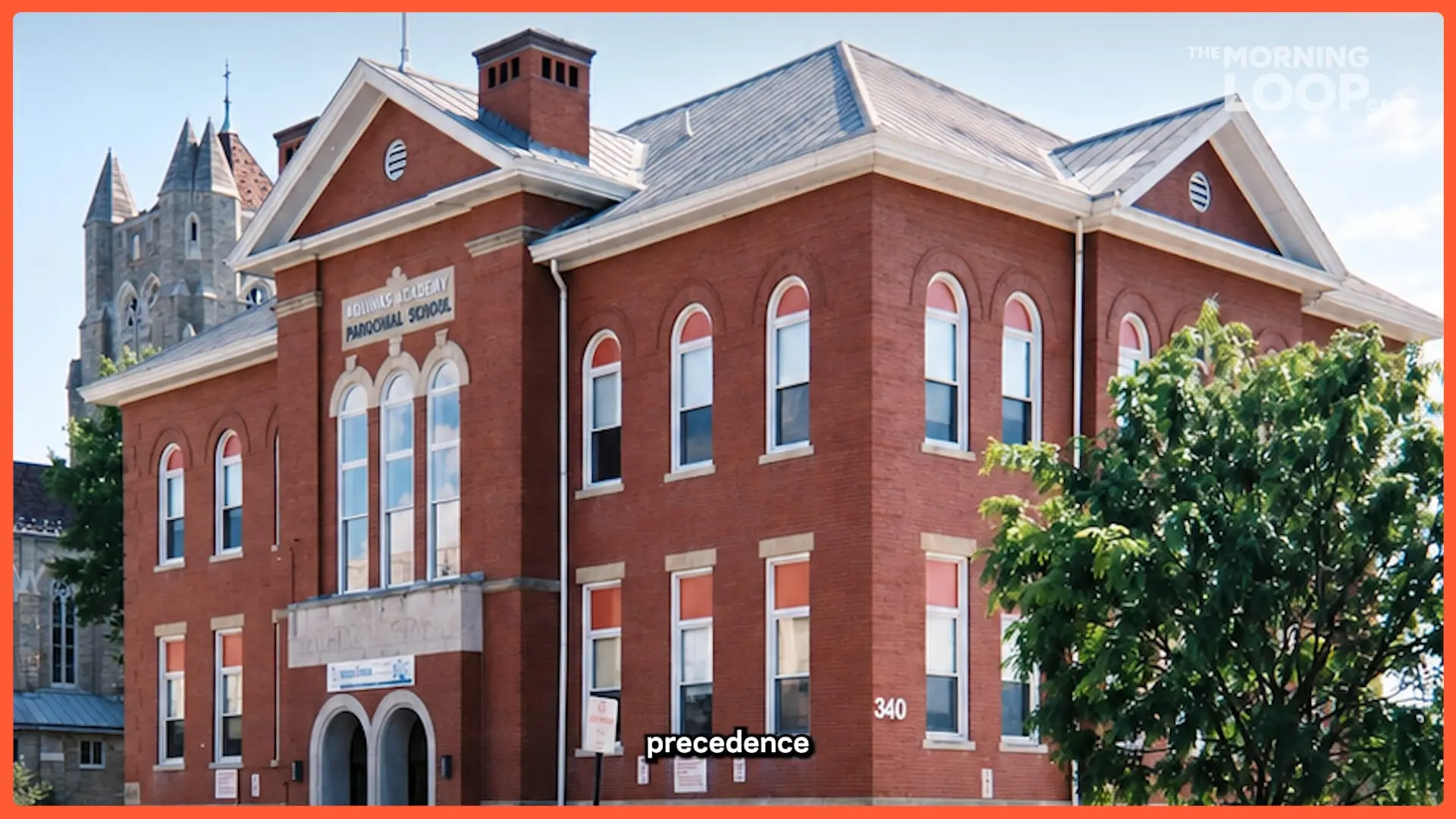
Welcome to the American Catholic Daily Reader podcast. Today is September 9th, and our story is The Swampoodle Church. In 1857, a reporter covering the groundbreaking ceremony for St. Aloysius Catholic Church in Washington, D.C., surveyed the Irish immigrants surrounding him and the swampy, puddle-riddled topography on which they stood. He then coined a name for the area, Swampoodle. The name stuck. For more than 50 years, Swampoodle comprised the blocks immediately surrounding North Capitol and I-Streets. During the late 19th century, those blocks were known as the most lawless and poverty-stricken streets in the district.
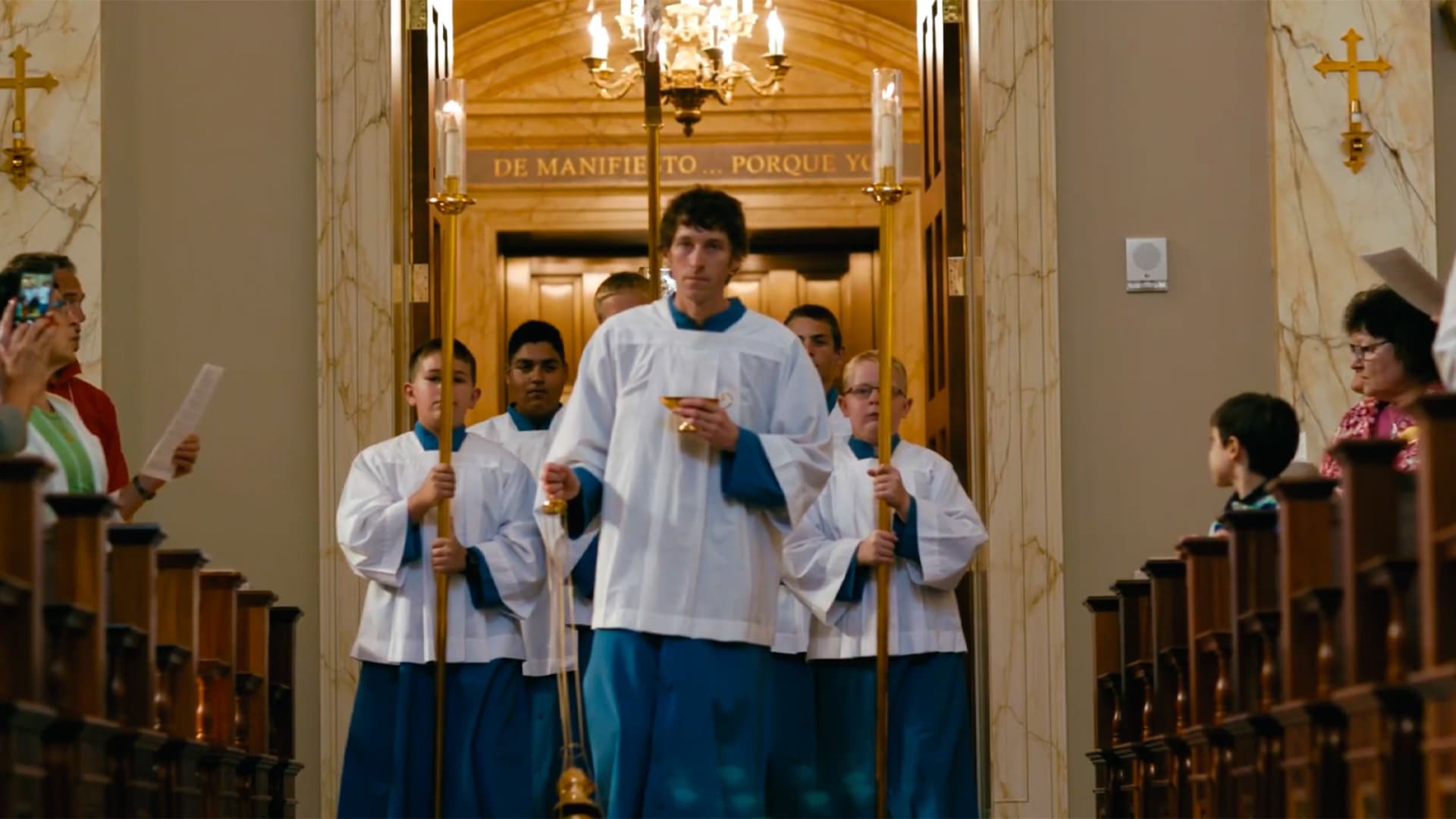
But Swampoodle still had its charms. Cows, chickens, and other livestock grazed in wide-open yards. Neighbors looked after neighbors, and St. Aloysius stood in its midst. When construction on the Jesuit-run parish ended in 1859, President James Buchanan ventured into Swampoodle for the dedication.
In the paintings above the main altar, he saw the handiwork of Constantino Brumidi, whose frescoes decorated the Capitol's rotunda. In those same paintings, he saw the wife of Senator Stephen A. Douglas, whom Brumidi used as the model for St. Aloysius Gonzaga's mother.
The people of Swampoodle were proud of their beautiful parish, and when the district's military governor attempted to requisition the church on September 9, 1862, they didn't take the news well. The governor, however, had good reason for the attempt. With civil war casualties pouring into the city, he needed a hospital in which to put the soldiers. He thought St. Aloysius would do nicely. The parishioners thought otherwise. So, their pastor made the governor a counteroffer. If the parish built the Union army a hospital, would the city leave the church alone?
The governor accepted the offer, and in eight days' time, he had a new 250-bed hospital, courtesy of every able-bodied man, woman, and child in Swampoodle. Swampoodle ceased to exist as a neighborhood after 1907, when the district destroyed 300 homes in the neighborhood center to make room for Union Station. St. Aloysius hung on for a century more, closing its doors in 2012. It still remains in occasional use, however, as part of the adjacent Gonzaga College High School.
St. Aloysius' parishioners exemplify faith in action, showing that communities can achieve remarkable feats when united by purpose. Find a way to contribute to your parish or local community this week, whether through volunteering, donations, or organizing support for a neighbor in need.
Thank you for listening to the American Catholic Daily Reader podcast. Join us tomorrow, September 10th, for another story of faith and courage in America.