Efforts to adapt to global changes led to the Second Vatican Council, begun by John XXIII and completed by Paul VI, with its goal of bringing the Church closer to the people, making liturgy more participatory, effectively engaging the contemporary world, and opening dialogue with other faiths.
Transcript
Read the full transcriptAuto-generated · 605 words
In today's episode, we'll explore the modern era and the Church's process of modernization, culminating in the Second Vatican Council, a pivotal event that marked a turning point for the Catholic Church. We look at how 20th century popes, especially John XXIII and Paul VI, helped make the papacy more accessible to the faithful, and more engaged with the challenges of the modern world.
The need for church renewal had been felt for some time. As the world was undergoing rapid and profound changes, Pope Pius XII, who led the Church through the difficult years of World War II, began early reforms in both liturgy and doctrine. But it was Pope John XXIII who made the bold decision to call an ecumenical council, with the goal of updating the Church and opening it to dialogue with the contemporary world.
This spirit of renewal, known by the Italian term aggiornamento, shaped his vision for the Second Vatican Council, which opened on October 11, 1962. John XXIII believed the Church should be a spiritual guide for the modern world. But to do so, it needed to renew its structures and language. His openness and charisma inspired the church fathers to reflect deeply on the need for a church that was closer to the people and less tied to past formalities and structures.
Unfortunately, Pope John did not live to see the Council's conclusion. He passed away in 1963, not long after it began. The responsibility for completing the Second Vatican Council fell to Pope Paul VI, who took on the task with great dedication and determination. Under his leadership, the Council moved towards concrete reforms that affected many areas of church life and its relationship with the modern world. One of the key documents, Gaudium et Spes, addressed... Pressing social issues promoted dialogue between the Church and the world and encouraged Christians to take an active role in society.
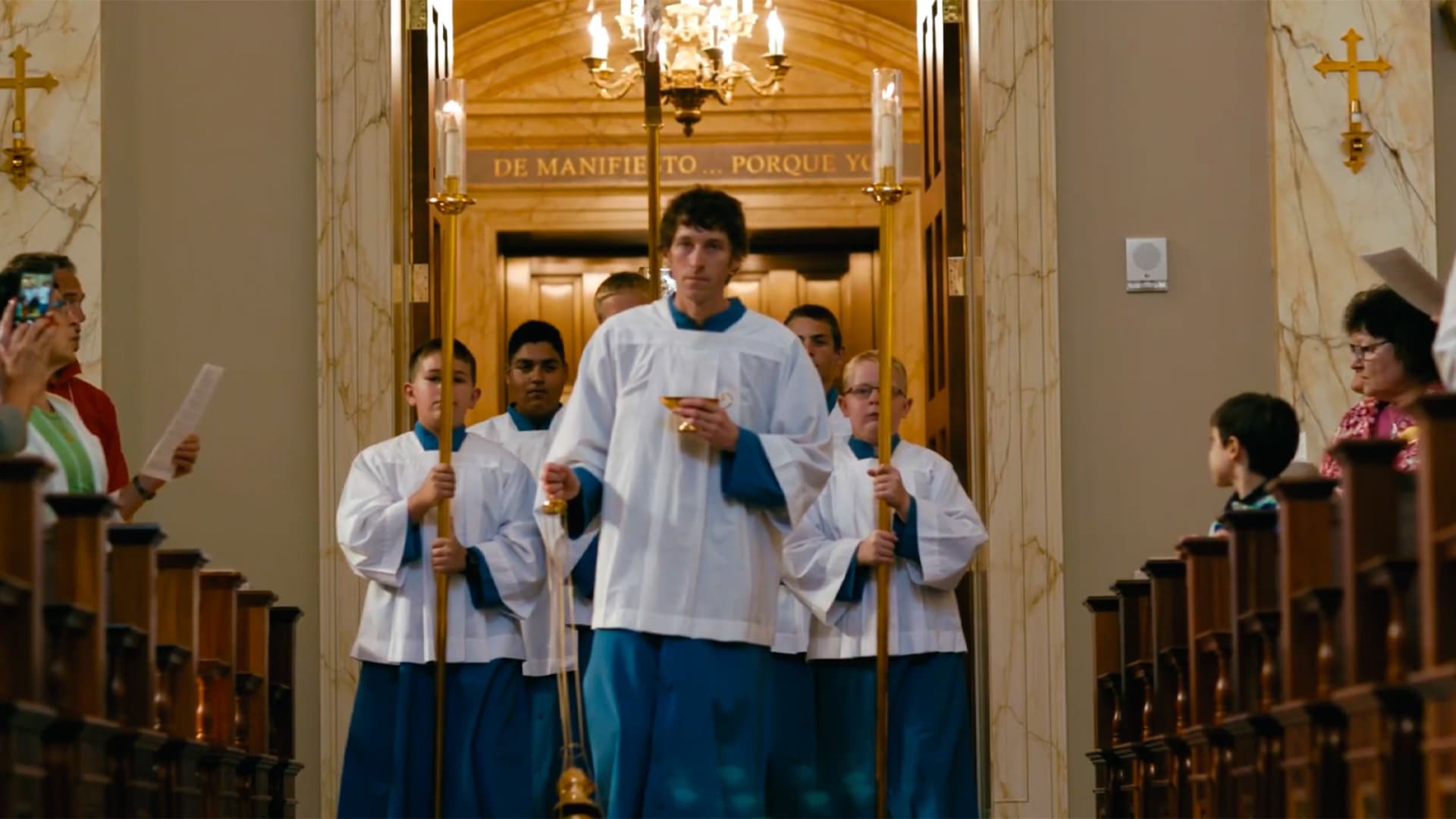
A central reform was in the liturgy. With the constitution, Sacrosanctum Concilium, the Mass was translated into local languages, allowing the faithful to better understand and engage with the celebrations. This made the liturgy more accessible and participatory, reflecting the Council's aim to bring the Church closer to people's everyday lives.
Another key idea promoted by the Council was collegiality, which emphasized cooperation between the Pope and the world's bishops in leading the Church. The Second Vatican Council also marked a new openness to other religions and Christian denominations. With the declaration, Nostra Aetate, the Church for the first time committed itself to inter-religious dialogue, recognizing the dignity of other faiths and promoting peace and mutual understanding.
This was a historic shift, breaking from a long tradition of distance, especially towards Judaism. When the Council concluded in 1965, it signaled the beginning of a new era for the Catholic Church. Pope Paul VI continued the path of reform, working to implement the Council's decisions, and to shape a Church that was more attentive to the social and spiritual needs of the time. Most of his most symbolic gestures was his historic visit to the Holy Land, the first by a Pope in over a thousand years, which underscored the Church's desire to be a bridge of peace in the world.
The Second Vatican Council had a profound and lasting impact on the Church. Its reforms opened the papacy and the broader Christian community to a new era. One marked by dialogue with modernity, a commitment to social justice, cooperation with other faiths. Since then, every Pope has carried forward the Council's legacy in different ways, responding to the unique challenges of their time in light of its teachings.