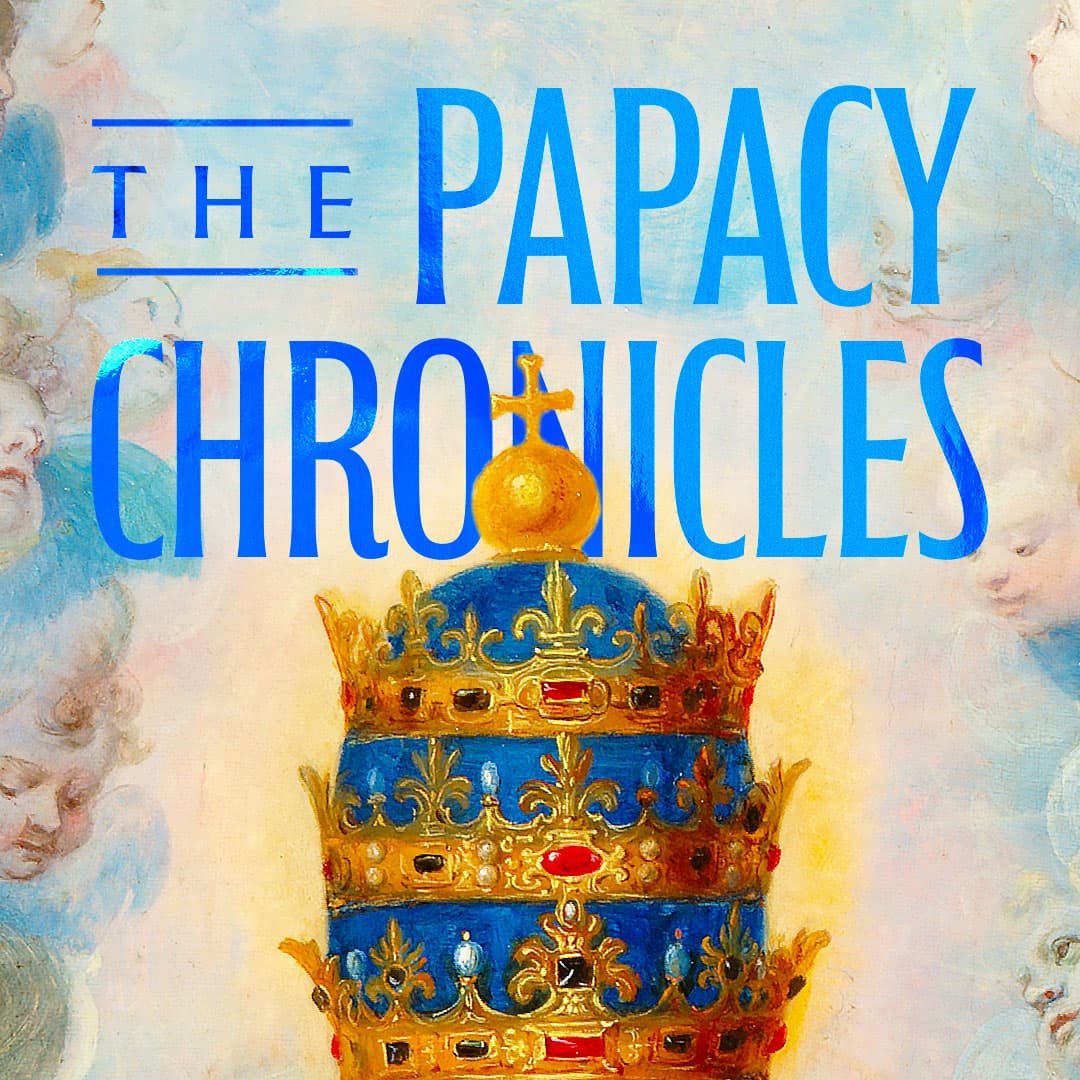
Growing wealth and influence having led to corruption, Pope Gregory VII set out to restore moral order among clergy and free the Church from secular influence. During this period the “investiture controversy” pit the papacy against secular rulers over appointing bishops.
Transcript
Read the full transcriptAuto-generated · 541 words
In today's episode, we explore a pivotal chapter in the history of the medieval church, the internal reform movement led by popes determined to combat corruption and reassert the church's spiritual authority. Among the key figures of this reform stands Pope Gregory VII, whose unwavering determination aimed to purify the Church and liberate it from secular influence, especially from the powerful monarchies of Europe. During the Middle Ages, the Church faced numerous internal challenges. Its growing wealth and temporal power gave rise to widespread corruption.
...particularly within the clergy. One of the most criticized practices was simony, the buying and selling of ecclesiastical offices. This undermined the integrity of the church, as bishops and priests were often chosen not for their spiritual calling, but for their political connections or financial means.
It was in this context that the Gregorian Reform emerged, named after Pope Gregory VII, one of the greatest reformers of the medieval church. Elected in 1073, Gregory believed that only a morally upright and independent clergy could truly represent the message of Christ. His primary goal was to restore the church's autonomy and reform the moral standards of the clergy, eliminating both simony and clerical concubinage. The high point of the Gregorian reform was the dramatic conflict known as the investiture controversy, a power struggle between the papacy and secular rulers over the right to appoint bishops.
For years, European monarchs had claimed the right to invest bishops with symbols of spiritual authority, such as the ring and crozier, symbolizing their control over church offices. Gregory VII firmly opposed this practice. In 1075, he issued the Dictatus Pape, a bold document asserting the Pope's supremacy over all earthly rulers, and declaring that only the Pope could appoint or depose bishops. The conflict came to a head with the Emperor Henry IV, who refused to comply with Gregory's decrees. A stunning move, Gregory excommunicated the Emperor.
A gesture that shocked all of Europe. Desperate to retain his crown, Henry made the historic journey to Canossa in 1077, where he stood barefoot in the snow, seeking the Pope's forgiveness. While the exclamation was lifted, the struggle between papal and imperial power continued for decades, but Gregory's actions marked a turning point in church-state relations.
The legacy of the Gregorian reform endured well beyond Gregory VII's papacy. His vision of an independent and morally disciplined church inspired future reforming popes, such as Urban II, who not only continued the reform movement, but also launched the First Crusade in 1095, an event that expanded the church's influence in the eastern Mediterranean.
The Reform Movement was not only about ending abuses, like simony and concubinage, but it also helped define the Pope's role as a moral leader of Christendom. Under Gregory and his successors, the Church became increasingly centralised and politically active, with the Roman Curia emerging as a powerful body of governance and justice.
Despite resistance and ongoing political turmoil, the Reforms strengthened the Church's identity and redefined the role of the papacy as a spiritual authority free from secular control. Thanks to figures like Gregory VII, the medieval Church laid the foundations for the moral and political authority of the Pope that would continue to shape its identity for centuries to come.