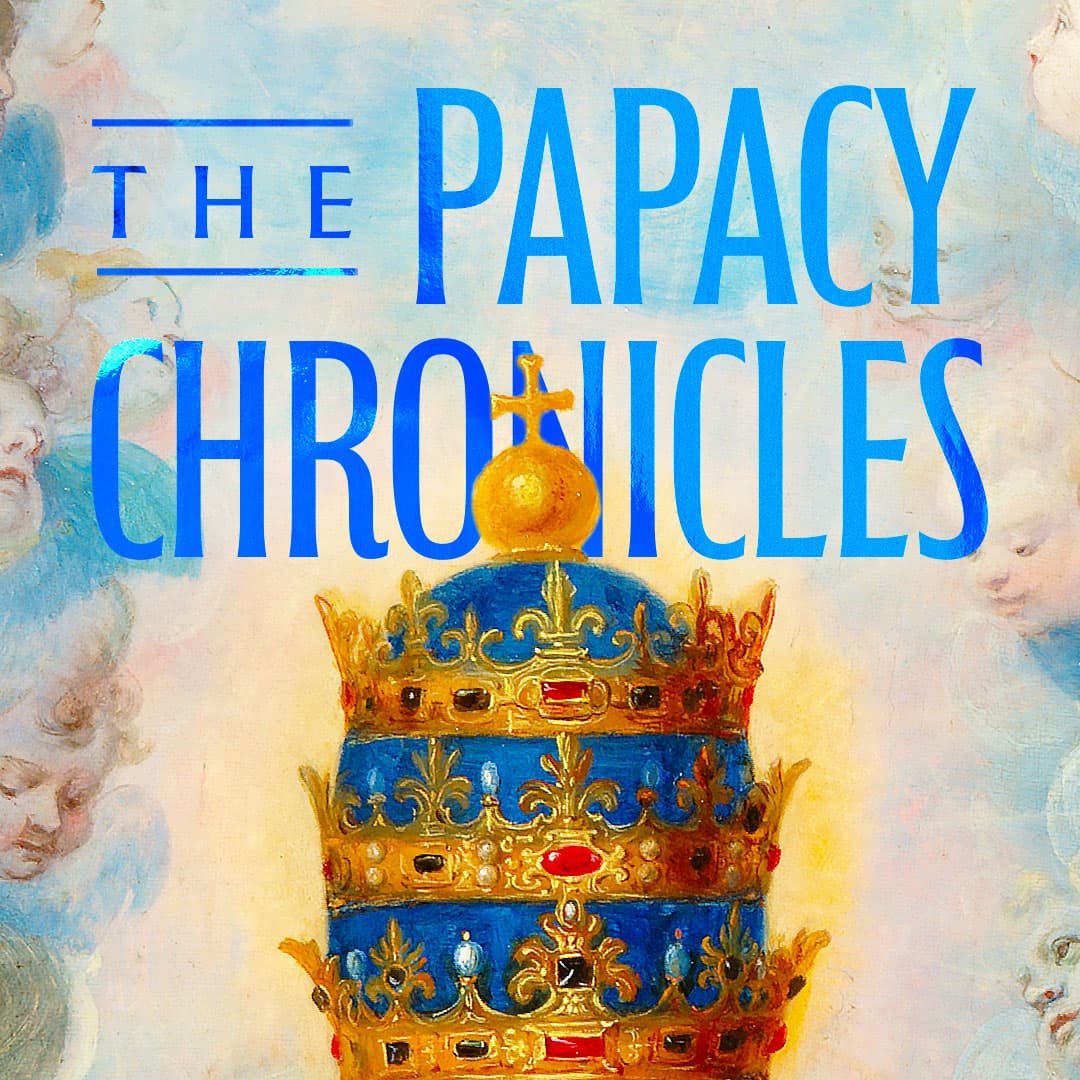
The popes of the Renaissance were art patrons, philosophers and powerful politicians at a time of immense wealth and world influence for the Church. They sought to champion the spiritual and public significance of Rome through art, architecture and even armed conflict.
Transcript
Read the full transcriptAuto-generated · 491 words
In today's episode, we journey into the Renaissance, a time of extraordinary artistic brilliance, cultural rebirth, and political transformation. The popes of this era were central figures in the movement, acting as patrons of the arts, supporters of philosophical thought, and skilled political leaders. Yet, this period was also marked by a delicate tension between Christian ideals and the worldly power the popes came to wield. In Renaissance times, the popes presided over a Rome restored to international prominence.
After the instability of the Middle Ages, the papacy sought to re-establish Rome, not just as the spiritual heart of Christendom, but also as a cultural and artistic capital. One of the key tools to achieve this ambition was artistic patronage. Through this, the popes commissioned some of the most iconic masterpieces in Western history.
Popes like Julius II, Leo X, and Paul III became renowned patrons, bringing to Rome legendary artists such as Michelangelo, Raphael, and Bramante. Under Pope Julius II, construction began on the new St. Peter's Basilica, a monumental project that would transform the church into a symbol of both spiritual grandeur and papal power.
Michelangelo was entrusted with the sealing of the Sistine Chapel, producing one of the most awe-inspiring works of art ever created. These works celebrated the glory of God. But unmistakably reflected, the wealth and authority of the papacy. But the Renaissance popes were not only patrons of the arts, they were also political strategists.
In a Europe dominated by powerful kingdoms like France, Spain, and the Holy Roman Emperor, the pope often had to act as a diplomat and ruler, defending the independence of the papal states. Julius II, known as the Warrior Pope, is perhaps the most striking example of this dual role.
He didn't hesitate to take up arms to secure and expand the territories of the Church. His vision was of a papacy that was strong, sovereign, and capable of protecting Rome, not only through faith, but also through military force.
This union of spiritual leadership and temporal power was not without controversy. Many critics pointed to the luxury and extravagance of the papal court as contradicting the gospel ideas of poverty and humility. Voices like that of Girolamo Savonarola, the Dominican friar and reformer, denounced the corruption and worldliness of the papacy. Savonarola's bold critiques led to his excommunication and execution. But his message resonated with many and foreshadowed the dissatisfaction that would eventually spark the Protestant Reformation.
The Renaissance papacy was marked by a complex balance. On the one hand, it was the spiritual shepherd of Christendom. On the other, a secular ruler involved in politics, diplomacy, and military affairs. The breathtaking artworks of this period were meant to glorify God, but were often also seen as expressions of earthly power and papal ambition. This tension between Christian idealism and temporal authority would remain a defining trait of the papacy and leave a profound mark on the Church's history.