Before Trump’s post criticizing Pope Leo, Cardinal Burke downplayed media narrative on US-Vatican relations
Amid rising geopolitical tensions and a fresh public critique from U.S. President Donald Trump, Cardinal Raymond Leo Burke is pushing back against what he sees as an overstated narrative of conflict between Washington and the Vatican.
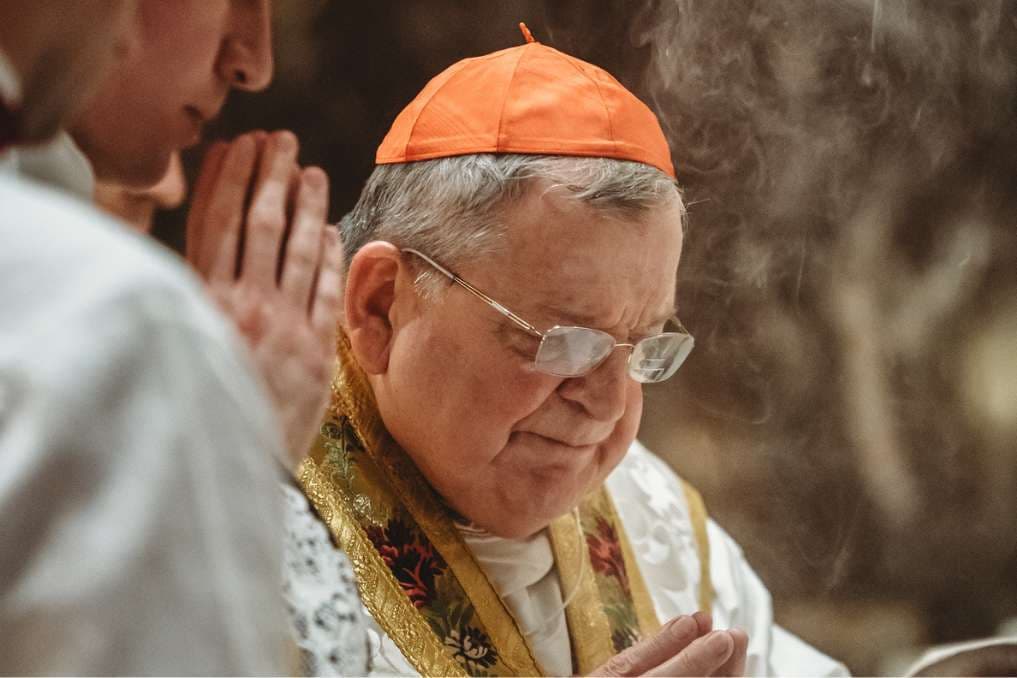
Amid rising geopolitical tensions and a fresh public critique from U.S. President Donald Trump, Cardinal Raymond Leo Burke is pushing back against what he sees as an overstated narrative of conflict between Washington and the Vatican.
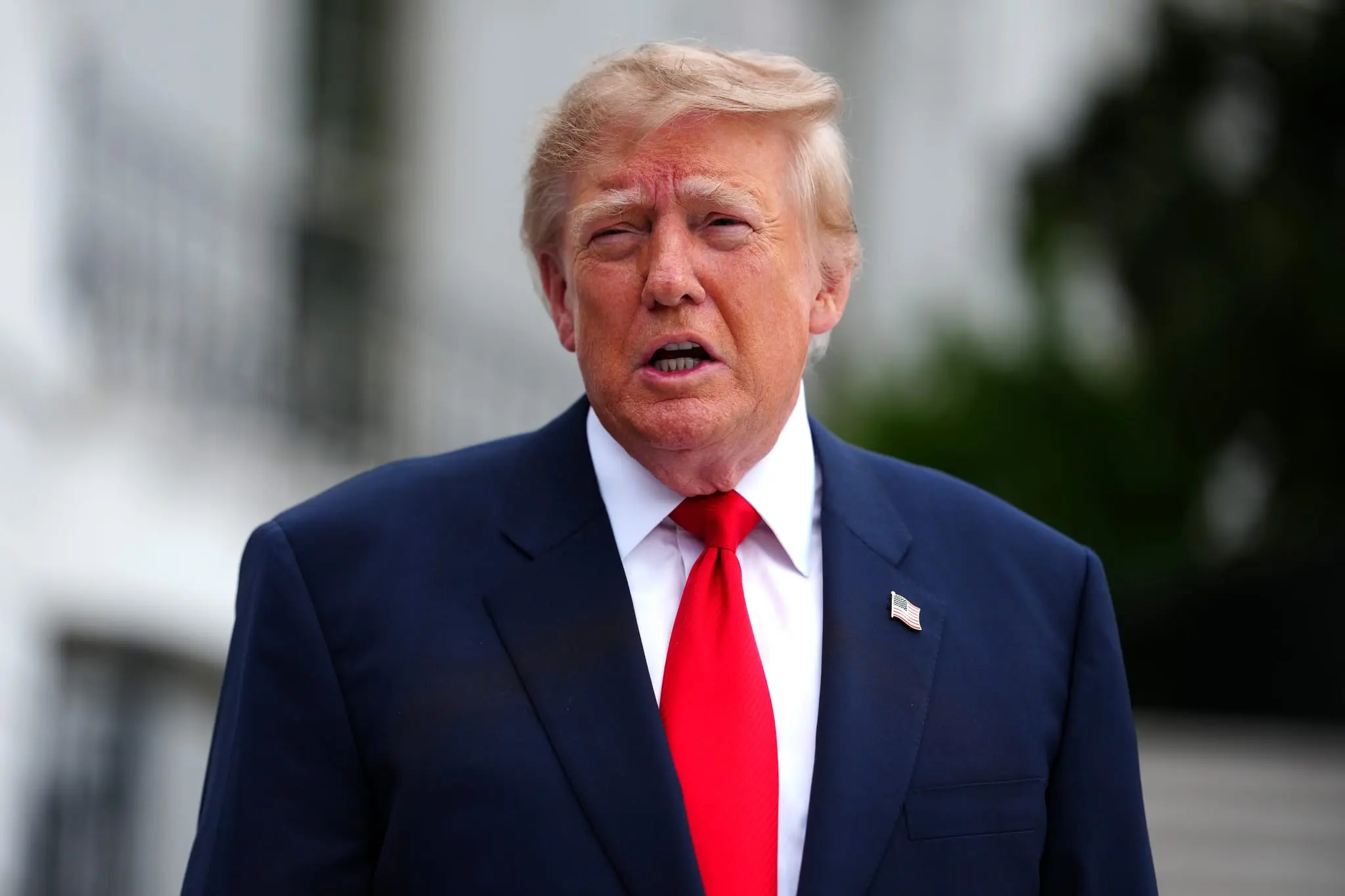
In an April 12 post on Truth Social, Trump sharply criticized Pope Leo XIV, fueling media speculation of a deepening divide between the two leaders. Yet, speaking in an interview with Italian journalist Nico Spuntoni in an April 11 interview for Il Giornale and published in English on Diane Montagna’s Substack, Cardinal Burke urged a more measured interpretation.
“The narrative of an ongoing clash is exaggerated,” he said.
The cardinal’s comments came as Rome prepared for a Prayer Vigil for Peace at St. Peter’s Basilica, announced earlier this week amid escalating concerns over Iran and global instability and after Trump warned “a whole civilization would die” if Iran didn’t meet a peace deal deadline.
Cardinal Burke confirmed he would attend the vigil, calling it a “fundamental moment of prayer in a time of crisis like the present” and that the faithful must respond spiritually.
“We must follow what was revealed at Fatima in 1917 and recite the Rosary to Our Lady, who is Queen of Peace,” he told Spuntoni.
Though Trump’s remarks have intensified headlines of a rift, Burke rejected attempts to cast the Pope as a political opponent.
“His compass is the teaching of the Church, found in the Catechism and as classically articulated by Saint Augustine,” he said, emphasizing that the Holy Father’s role transcends partisan conflict.
When asked if he could help the U.S.-Vatican relationship, Cardinal Burke said he would do what he can, noting he is not the right person. He pointed to diplomat Brian Burch instead.
“The U.S. ambassador to the Holy See, a devout Catholic, is already doing everything possible to foster dialogue between the two sides,” he said. “The important thing is that the door remains open and that there is always a way to speak, to see how the Church can help bring about reconciliation among nations.”
On foreign policy, particularly Iran, Cardinal Burke acknowledged complexity while offering a charitable reading of U.S. intentions.
“One may have differing views on how to address the problem, but one certainly cannot think that the situation in Iran was good prior to the attacks by the United States and Israel.” he said, “I believe that, in his view, Trump also has peace as his goal.”
At the same time, he called attention to human suffering, urging prayers “for the freedom of the Iranian people, who have suffered for too many years at the hands of the ayatollahs’ regime.”
Despite recent headlines, Burke maintained that the broader relationship between the Church and the United States remains rooted in mutual respect.
“There is great respect for the Church in America,” he said, underscoring the Catholic understanding and contribution to public life.
“The Church teaches moral principles,” he explained, “but then leaves to those in authority the proper competence to make decisions.”
Comments