US bishops’ conference president: New encyclical reminds us ‘no technology can replace a child of God’
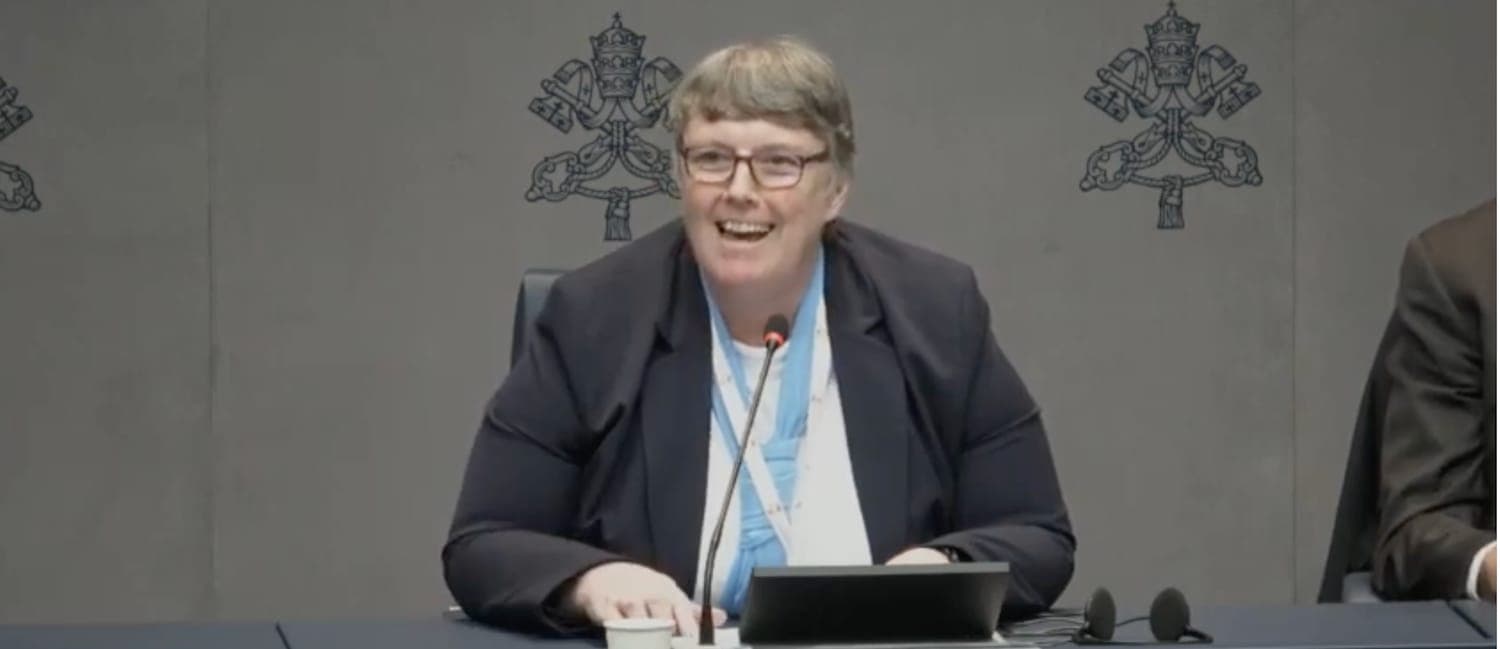
Archbishop Paul Coakley, president of the United States Conference of Catholic Bishops (USCCB), encouraged people in a May 25 message to read Pope Leo XIV’s 85-page encyclical on artificial intelligence (AI) and human dignity, extolling its proclamation of fundamental truths about human beings in an unprecedented technological age.


Archbishop Paul Coakley, president of the United States Conference of Catholic Bishops (USCCB), encouraged people in a May 25 message to read Pope Leo XIV’s 85-page encyclical on artificial intelligence (AI) and human dignity, extolling its proclamation of fundamental truths about human beings in an unprecedented technological age.
“It is a powerful reminder that no technology can replace a child of God, and all technology should be placed at the service of helping humanity thrive,” Archbishop Coakley said in his statement, released one day after the publication of Magnifica Humanitas: On Safeguarding the Human Person in the Time of Artificial Intelligence.
The archbishop recalled how Pope Leo XIII addressed concerns regarding the Industrial Revolution in his 1891 encyclical Rerum Novarum, saying Pope Leo XIV similarly “shines the light of the Gospel and the tradition of the Church on the new opportunities and challenges posed by the rise of Artificial Intelligence.”
>> 5 things to know about ‘Magnifica Humanitas’ <<
Zeale News previously reported that the encyclical re-engages with the Church’s social doctrine, spending a full chapter on foundations and principles including subsidiarity, social justice, and human rights. The encyclical, Zeale News highlighted, is not only about AI but more fundamentally about man’s creation in the image and likeness of God.
Archbishop Coakley said in his statement that Pope Leo “calls us to never lose sight of the inherent dignity of all human life and the moral imperative for technology to support peace and the common good rather than the limited interest of a few.”
Recognizing the importance of this issue, the USCCB’s administrative committee has tasked the conference Committee on Doctrine “to lead and coordinate our work regarding Artificial Intelligence,” the USCCB president added. “It reflects the Catholic belief that the dignity of the human person is inviolable.”
Concluding, Archbishop Coakley said he and his brother bishops “look forward to prayerfully reading the encyclical more deeply over the next few days. We encourage all people of good will to reflect on this rich papal teaching and to seek ways in which to apply it in their lives.”
>> ‘Magnifica Humanitas’: Pope Leo’s first encyclical places AI at service of humanity, not power <<
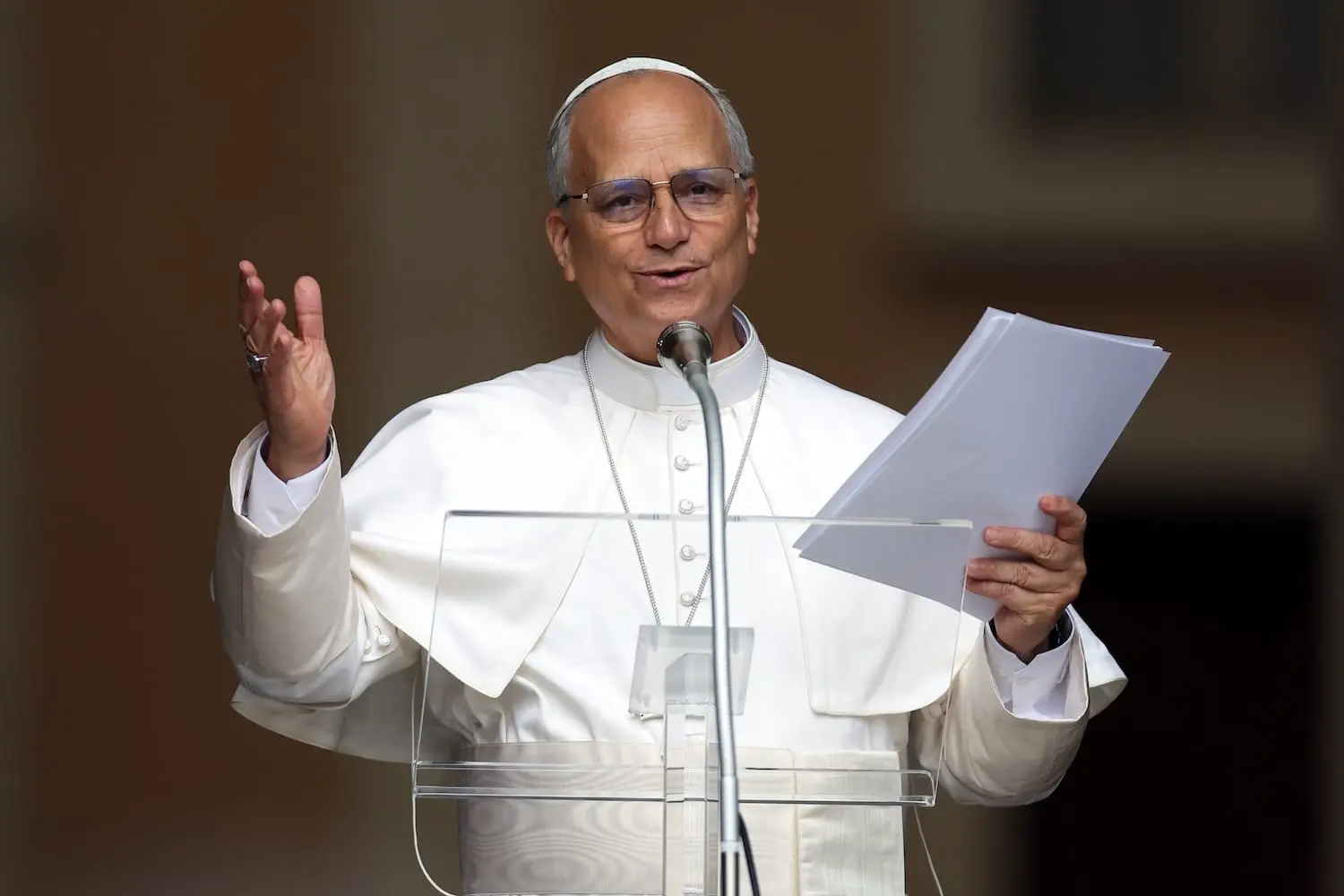
Before the encyclical’s release, Pope Leo had already begun to signal that his focus in approach to AI does not only consider the technological complexity of this era but also the need to recover and protect the Christian understanding of what it means to be human because that will help to lay the foundation for addressing questions raised by AI.
That emphasis was clear in his message for the 2026 World Day of Communications, in which he spoke about the importance of “preserving human faces and voices” and said it is crucial to preserve the “indelible reflection of God’s love” imprinted on human persons.
“If we fail in this task of preservation, digital technology threatens to alter radically some of the fundamental pillars of human civilization that at times are taken for granted,” he said. “By simulating human voices and faces, wisdom and knowledge, consciousness and responsibility, empathy and friendship, the systems known as artificial intelligence not only interfere with information ecosystems, but also encroach upon the deepest level of communication, that of human relationships.
“The challenge, therefore, is not technological, but anthropological. Safeguarding faces and voices ultimately means safeguarding ourselves. Embracing the opportunities offered by digital technology and artificial intelligence with courage, determination and discernment does not mean turning a blind eye to critical issues, complexities and risks.”


.jpg&w=3840&q=75)
Comments