Beyond the slogan: How a culture of life takes root
Being pro-life isn’t just a political position, and more than arguments, building a culture of life requires everyday living that loves and supports the goodness of human life in all stages.
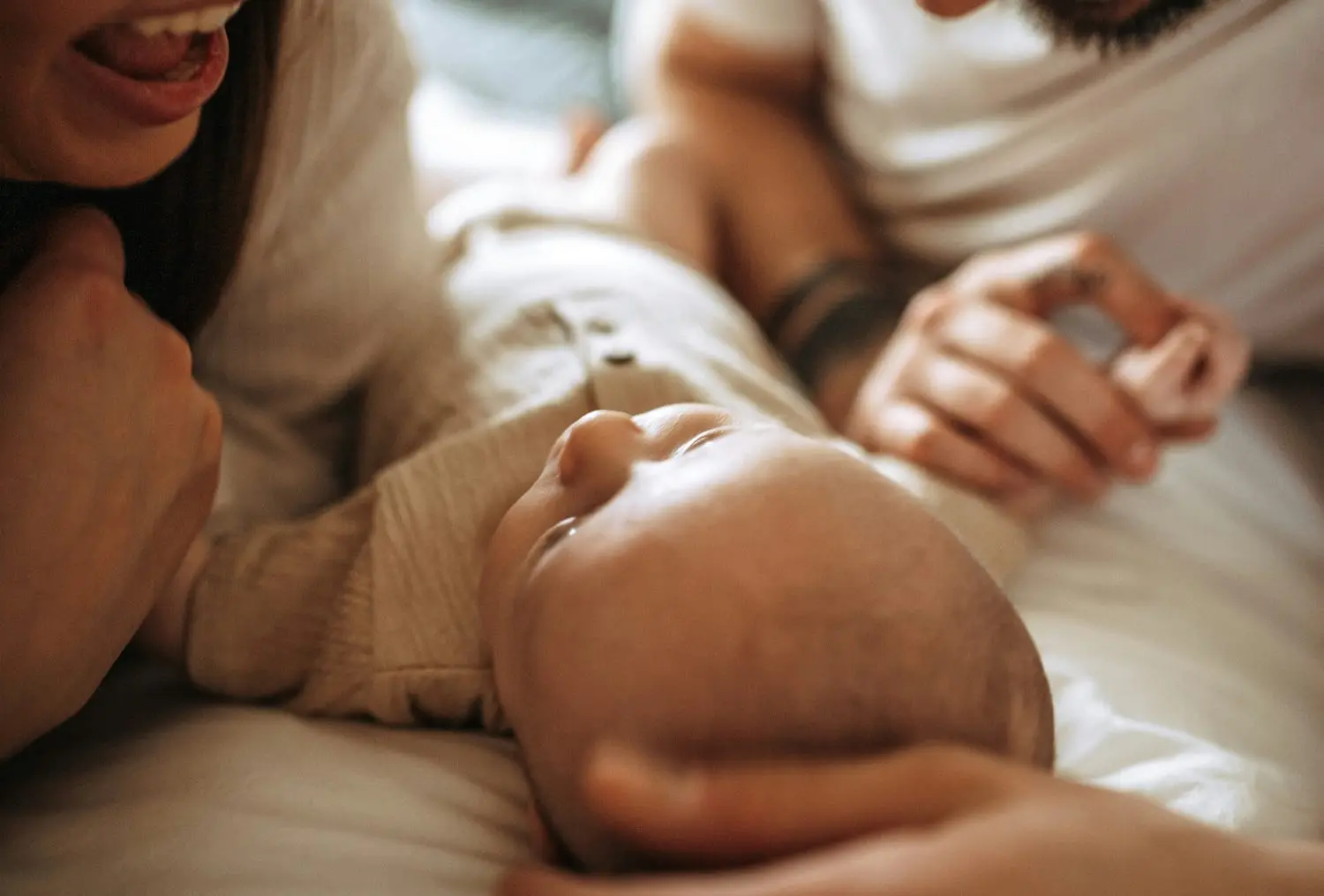
Is it possible that the girlfriend and boyfriend who find themselves unexpectedly pregnant and keep their baby might be at least as pro-life as the couple reciting rosaries outside the abortion facility? What about the woman who keeps her baby after the trauma of being raped? Are her pro-life credentials less than the passionate lobbyist signing petitions? Being pro-life isn’t just in the arguments, it’s in everyday living that loves and supports the goodness of human life in all stages. Let’s venture beyond the slogans to discover how a culture of life takes root.
Where we’ve come from
In the 1960s, contraception became mainstream. The sexual revolution introduced selfishness and personal pleasure as fundamental rights. Sex became separated from its intention to unite married couples together as one flesh and create life (i.e. bonding and babies). This shift was much deeper than just premarital sex. It attacked the very anatomy of a woman and one of her most unique attributes – the ability to give birth and create life. From the beginning, contraception was a direct attack on women. The fallout? Parents yelling at their sons not to get a girl pregnant and admonishing their daughters about getting knocked up. This created a culture where pregnancy became an unspoken shame and vulnerability became a disease.
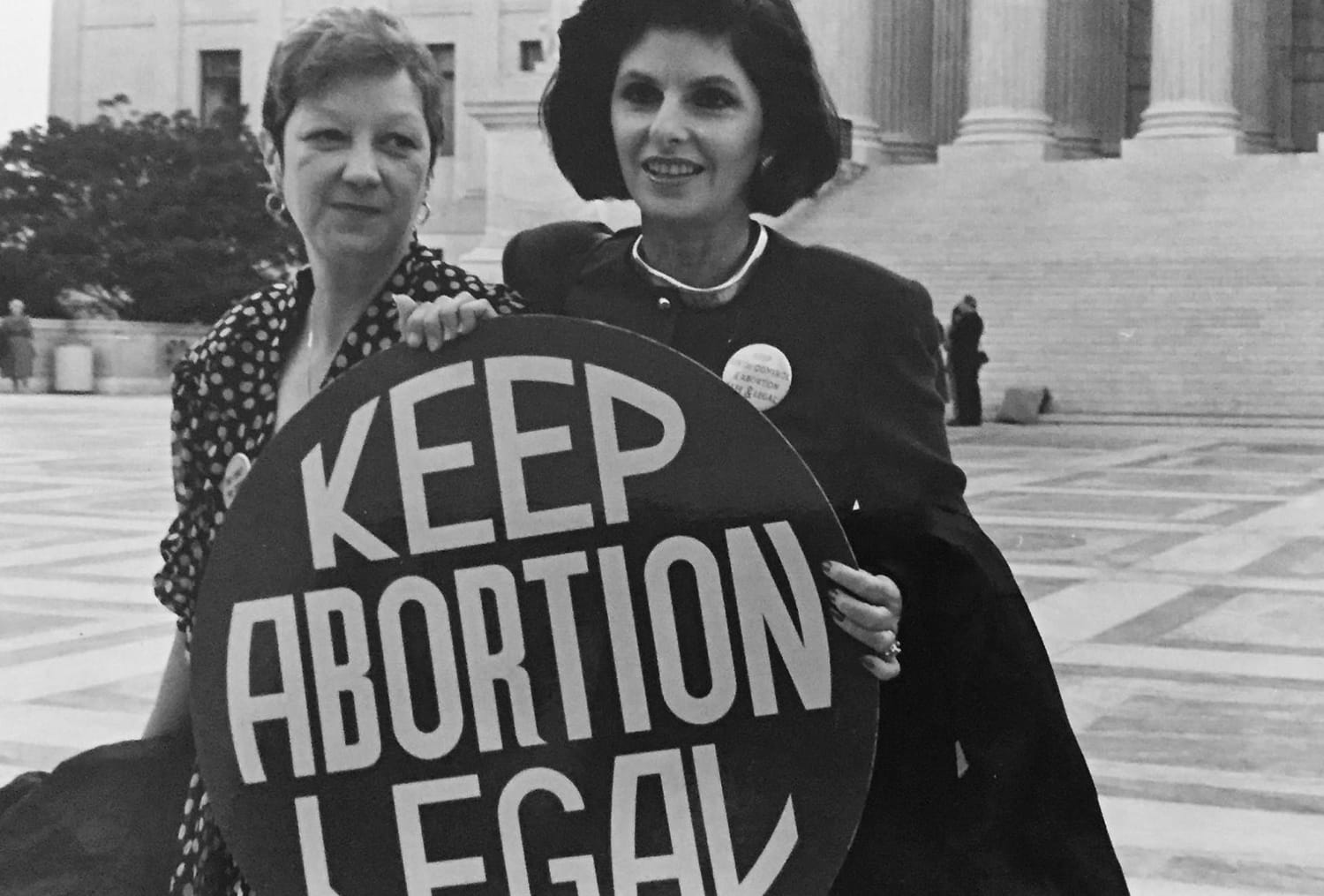
Now fast-forward. On June 24, 2022, Roe v. Wade was overturned. Post-Roe, the adverse effects of a 50-plus year cultural shift rage on worse than ever, despite abortion no longer being protected as a constitutional right and individual states overseeing their own laws regarding legality. In post-Roe America, there are more abortions than before. Mail-order abortion pills like mifepristone and misoprostol are popped like candy despite having a black box warning from the FDA. Several court cases are surfacing of men drugging their pregnant girlfriend’s drinks with these abortifacients, ending their pregnancies. Women are hemorrhaging in their bathrooms thinking it’s normal because abortion must equate freedom.
The fight isn’t solely in the crusade against Planned Parenthood or winning victories in Washington. It’s in the wounds of what many consider our new normal. These root problems are embedded into the culture: the erasure of differences between men and women, sex based on use rather than intimacy, and the prioritization of selfish convenience over serving others. These problems, manifested in the ways so many Americans live their lives, contribute to a culture of death. This is where the battle truly begins. This is where a culture of life must be planted and cultivated.
Where we’re going
We need to put down new soil. Culture changes when yesterday’s arguments become today’s assumptions, according to Executive Director of the Life Leadership Conference and pro-life speaker David Bereit. In his keynote at the 2026 Alliance Defending Freedom Summit, Bereit explained further that “ideas develop, ideas spread, ideas embed. The turning point is when the controversial becomes obvious.”
We’ve seen this happen with the growth of acceptance for social ills like feminism, gay marriage, contraception, and others.
To change the culture, we must have a clear vision of what kind we are striving to build. St. Pope John Paul II painted that picture clearly – a culture of life honors human life from conception to natural death. This concept is controversial today, but it doesn’t have to remain so. We can pave a new path under the guidance of JP2’s pillars from his 1995 Evangelium Vitae encyclical: the importance of the nuclear family, solidarity over autonomy, inherent human dignity, and self-giving love.
How a culture of life takes root
In modern life, we have gained convenience, but convenience was never meant to be our purpose. We were made to create, work, serve, worship, build relationships, and experience beauty. If we want a culture full of life, we have to remember what it means to be fully alive.
Human design.
The perfectly designed differences between the sexes creates a beautiful infrastructure for life. Chastity, monogamy, and heterosexuality aren’t outdated antiquities, but necessary pillars to create strong families and nurture communities. We need to rediscover the dignity of womanhood, pregnancy, and the gift of life. One way to do so is to take a deeper look at the remarkable design of the female body. Breast milk, for example, doesn’t just feed a baby, it defends an infant’s immune system from infections and has natural properties that heal minor skin irritations. The body is not an accident.
Practically, we can celebrate baptisms, and cook meals for newly pregnant mothers.
Relationships.
This is also why chastity matters. A woman is not simply someone who is “worth waiting for.” She is someone worth protecting. Love does not use people. Love seeks their good. This goes for both men and women. Read JP2’s Mulieris Dignitatem and his Letter to Women for more.
Men are called to use their strength in service of others, especially the vulnerable – the neglected, the homebound, the infirm, the homeless, and, above all, children. Strength is not measured by how much power we exercise over others, but by how willingly we use it for someone else.
Practically, this means choosing to care for the elderly instead of outsourcing them to nursing homes when possible. It means showing up and giving extra effort when it comes to interacting with another person. Cook meals for neighbors in need and expectant mothers, mentor the youth through spiritual parenthood, and volunteer your time and talents to better your community.
To live a culture of life is to make others feel loved, at home and inspired by your love for others, even if you differ on certain things. In conversation, it means listening to another’s wounds and stressors. It’s tempting to lead with logic and reason first, but selfless love and radical joy softens hearts and helps others question their worldview. If everyone put themselves last and others first, we would radially reshape society. Testimonies from people who have experienced both sides are also helpful; watch Former Planned Parenthood Clinic Director Mayra Rodriguez’s interview here. This list from Stand for Life is also a helpful apologetics outline for conversations.
Children.
A culture of life starts in the home. We should never settle for a culture where children are merely seen and not heard. A child is not a burden to be managed, but a person to be known, protected, and loved. Instead of asking, “How much work will this child be?” we can ask, “Who is this child becoming, and how have I been entrusted to help them get there?”
Every human being is a unique and unrepeatable person, created in the image of God. Far from being a political position, this is the truth about who a human being is. And if we actually lived as though it were true, our culture would reflect this reality that life is good and worth protecting.




.jpg&w=3840&q=75)


Comments