Good Friday liturgy highlights Christ’s Passion and Isaiah’s suffering servant
Pope Leo XIV presided over the solemn Good Friday liturgy April 3 at St. Peter’s Basilica, where the Passion was chanted and the faithful venerated the cross.

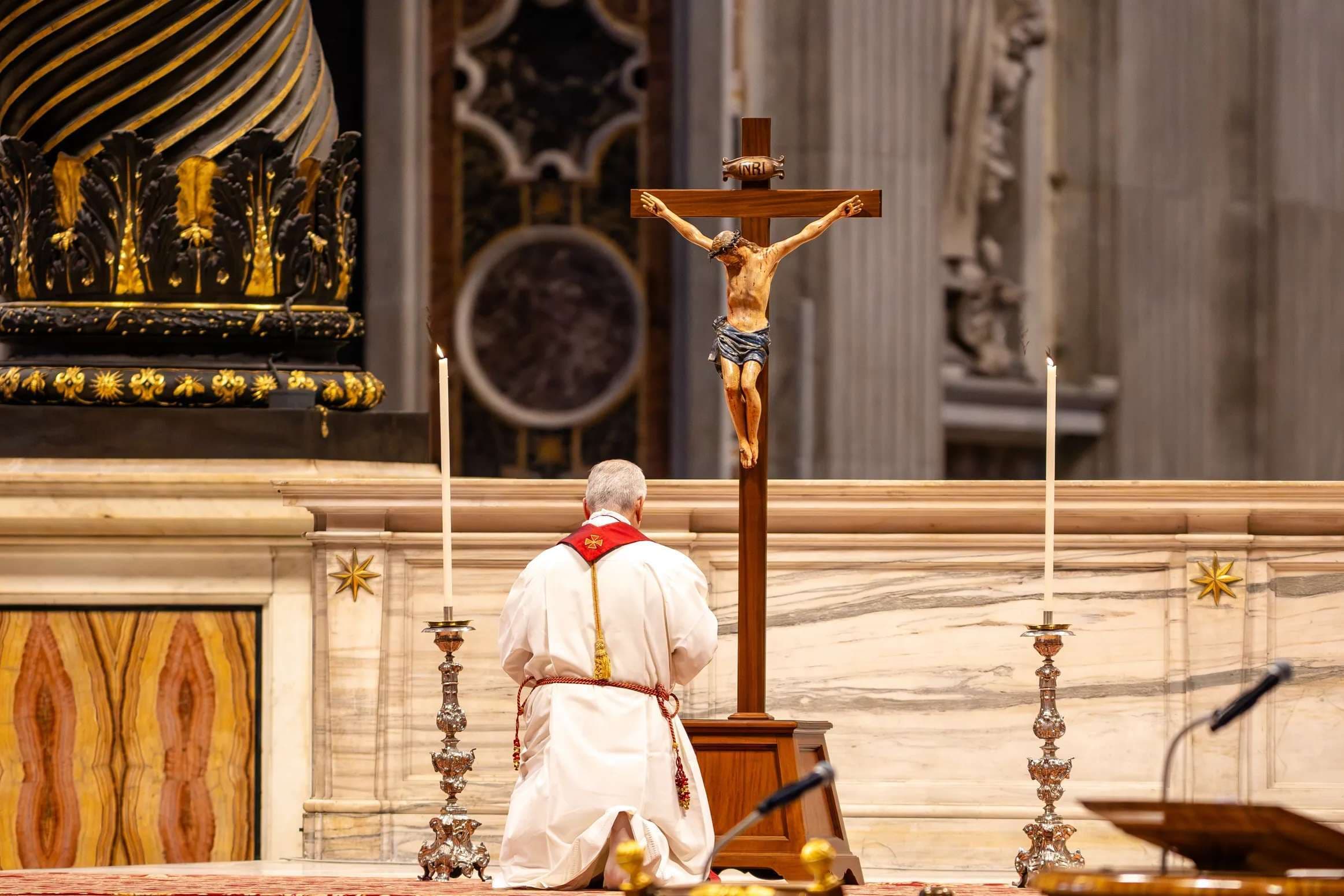
Pope Leo XIV presided over the solemn Good Friday Liturgy of the Passion of the Lord April 3 at St. Peter’s Basilica, where the Passion according to St. John was chanted as the faithful venerated the cross and received Holy Communion.
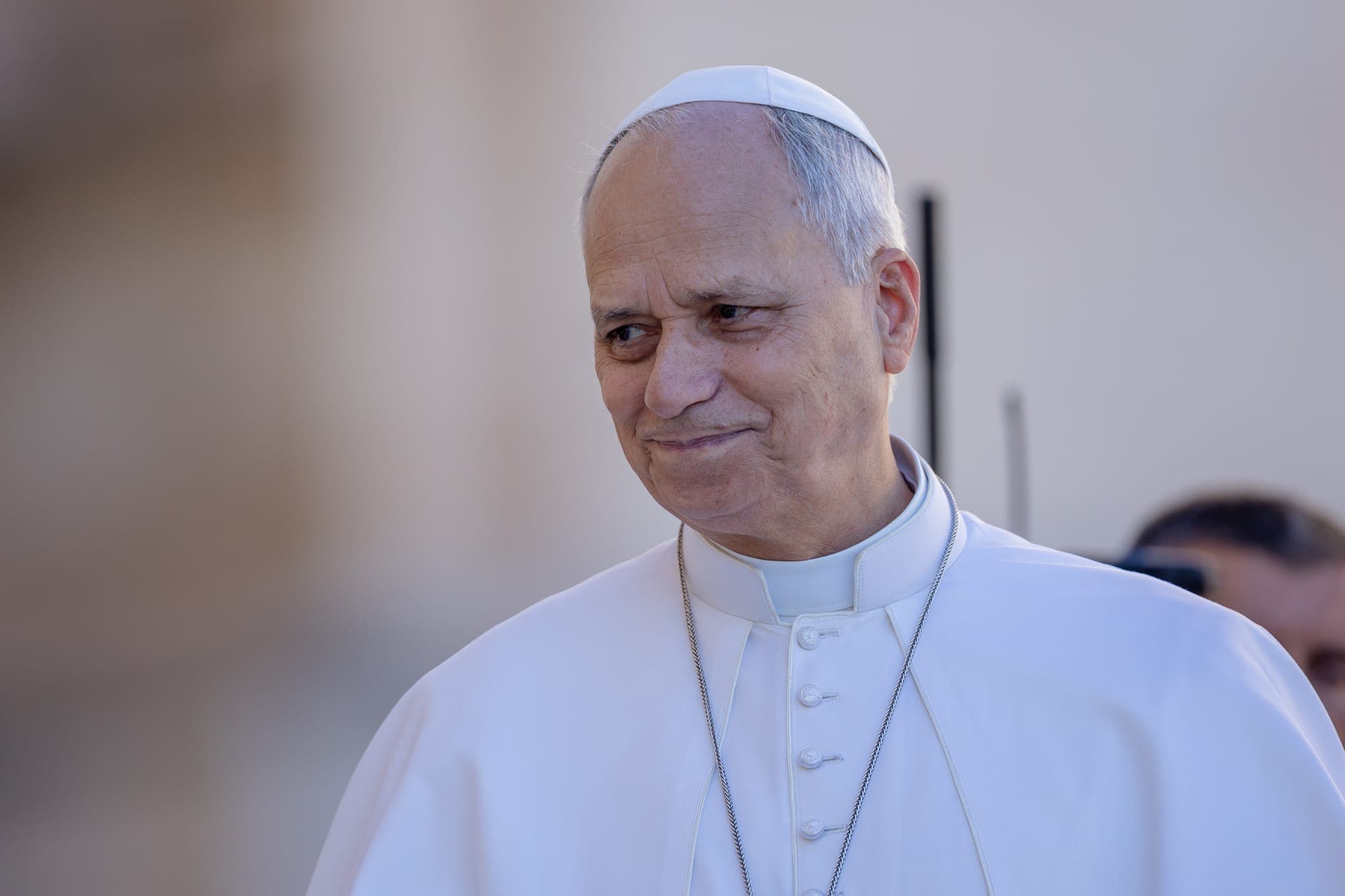
According to the Holy See, the Preacher of the Papal Household, Father Roberto Pasolini, delivered the homily, reflecting on Isaiah’s “Songs of the Servant of the Lord,” poetic texts proclaimed during Holy Week, where he said Christian tradition has recognized in them a “striking prefiguration” of the life and suffering of Jesus.
The texts, drawn from the prophet Isaiah, describe a mysterious servant through whom God brings salvation from evil and sin, according to Vatican News.
In his homily, Fr. Pasolini said many resist the light of Christ because it exposes their wounds, adding that “one ends up rejecting the one who brings the light so as not to have to reckon with what that light reveals.”
He pointed to the figure of the suffering servant, who “did not draw back” in the face of violence, echoing the words of Isaiah: “I offered my back to those who beat me … I did not hide my face from mocking and spitting.”
Fr. Pasolini said Christ shows that suffering, when embraced in love, becomes a source of salvation.
“Jesus did not merely listen to these songs,” he said in his homily, “He interpreted them and lived them intensely, with full trust in the will of the Father, to the point of transforming His crucifixion into an event of salvation.”
He then urged the faithful to listen for the voice of God, describing it as a quiet, persistent voice.
“It is a voice that does not shout,” Fr. Pasolini said, “does not impose itself by force, does not promise shortcuts. It is a discreet and persistent song which invites us to love … not to return the evil received.”
Fr. Pasolini concluded his homily saying that this kind of quiet witness, often lived out in ordinary lives, is what ultimately overcomes evil.
“The world is continually saved,” he said, “by those who are willing to welcome the servant songs of the Lord as the form of their life.”



Comments