Way of the Cross at the Colosseum: Faith carried into a broken world
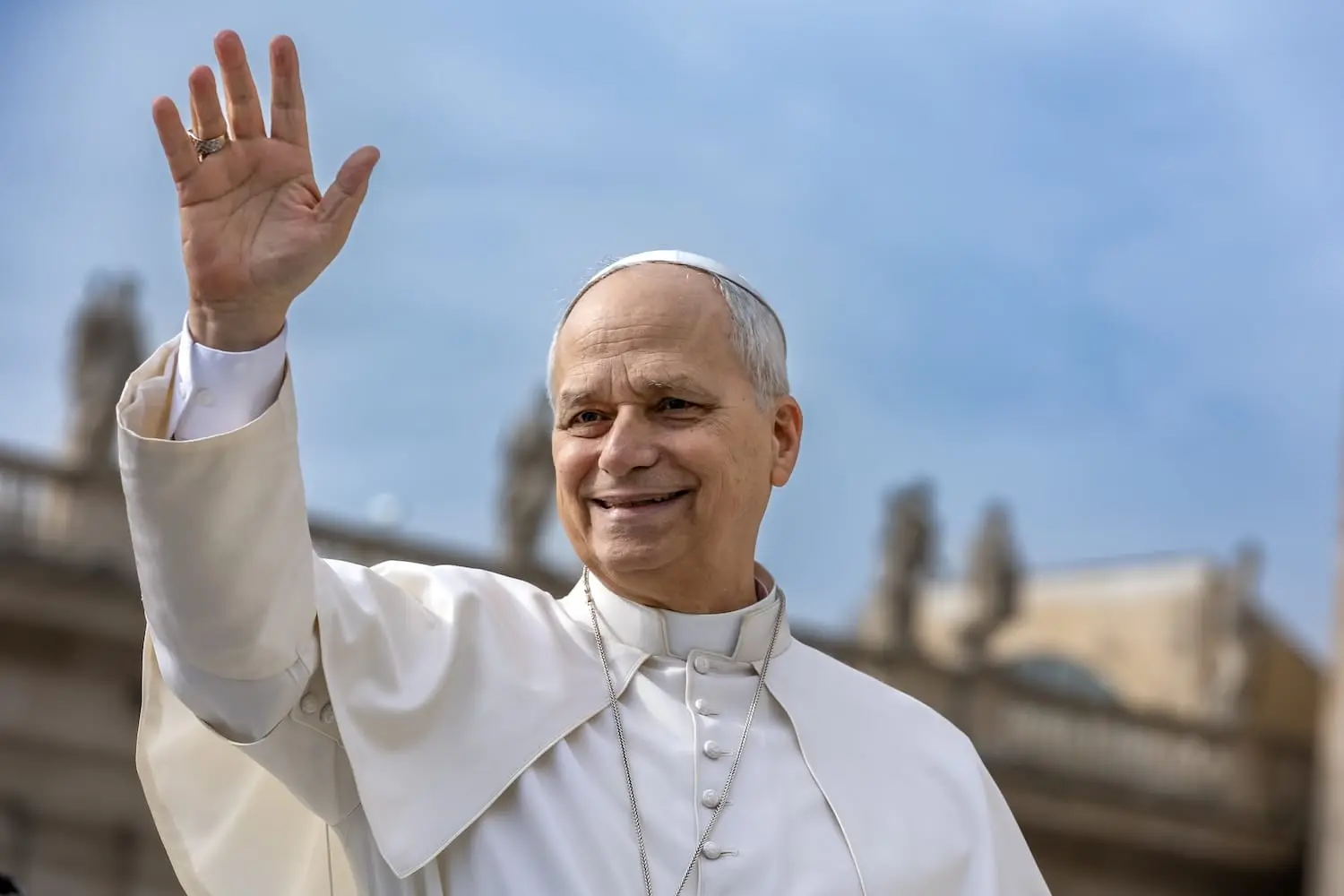
Under the shadow of the ancient arches of the Colosseum in Rome, thousands of faithful gathered as Pope Leo XIV led the annual Way of the Cross, or Via Crucis, on Good Friday, tracing the path of Christ through suffering, silence, and prayer. The Pontiff carried the cross himself throughout the procession.
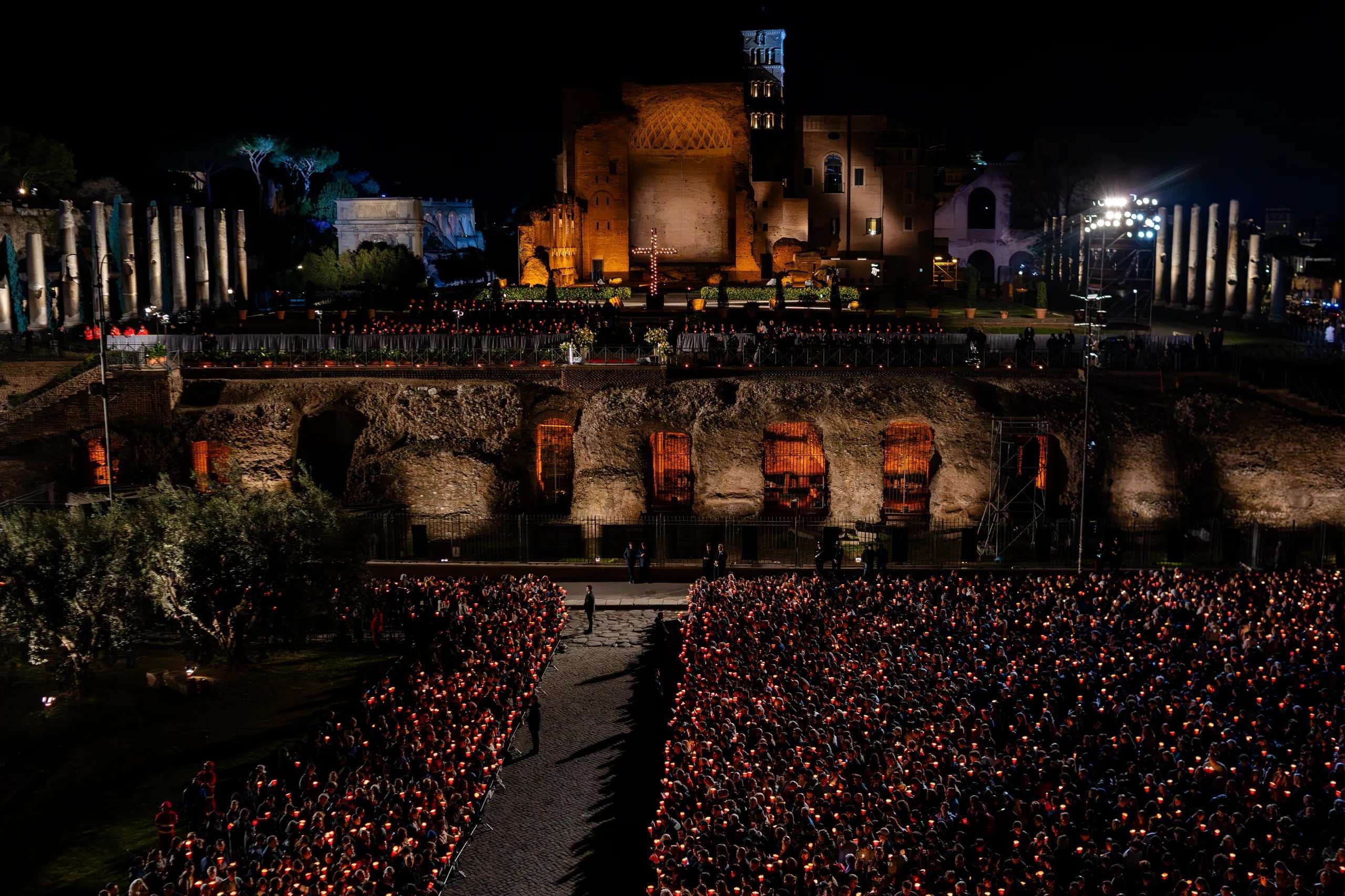
Under the shadow of the ancient arches of the Colosseum in Rome, thousands of faithful gathered as Pope Leo XIV led the annual Way of the Cross, or Via Crucis, on Good Friday, tracing the path of Christ through suffering, silence, and prayer. The Pontiff carried the cross himself throughout the procession.
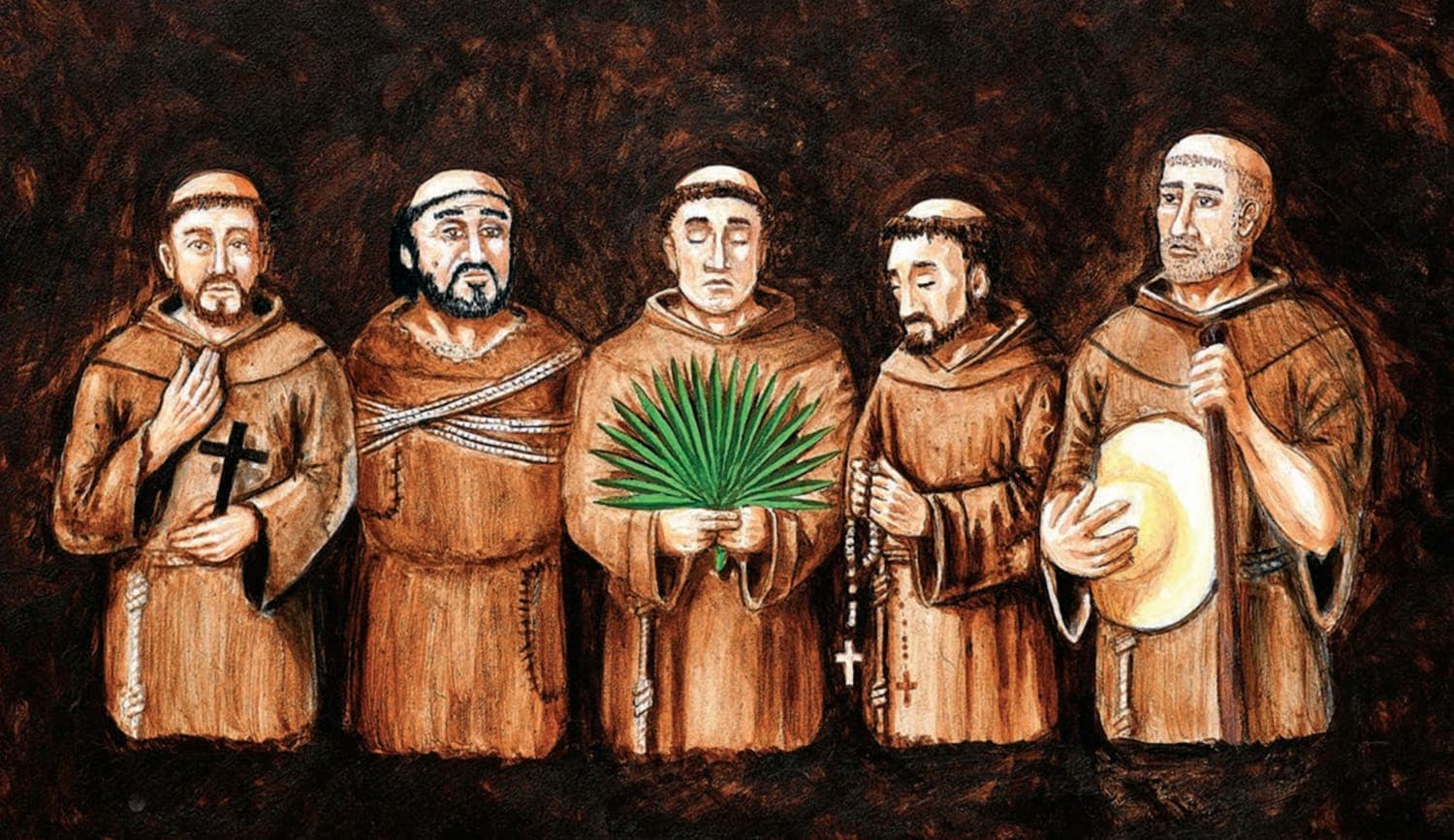
This year’s meditations, prepared by Father Francesco Patton, OFM, former Custos of the Holy Land, drew from both Scripture and the writings of Saint Francis of Assisi, as the Church marked the 800th anniversary of the saint’s death. The reflections placed the Passion within the conditions of ordinary life, where faith has been lived amid tension, responsibility, and uncertainty.
“This route is not reserved for the devout,” the meditations declared. “Rather, as in the time of Jesus, we find ourselves walking through a chaotic, distracting and noisy environment, surrounded by people who share our faith in him, but also by those who deride or insult him. Such is the reality of our daily life."
At each station, passages from St. Francis accompanied the Gospel accounts, emphasizing humility, mercy, and the imitation of Christ. The reflections returned to a central theme that shaped the entire evening: “Faith, hope and charity must be incarnated in the real world.”
From the first station, where Jesus stood before Pilate, the nature of power came into focus. Authority appeared not as possession, but as responsibility — something entrusted and subject to judgment, in public life and in daily decisions that affected human dignity.
As Christ took up the cross, the meditations acknowledged the instinct to resist suffering. The Gospel and Franciscan texts instead pointed to fidelity within it, presenting the cross as something carried in love rather than avoided.
Across the stations, familiar figures revealed that pattern in concrete ways. Simon of Cyrene’s burden became an encounter that transformed him. Veronica’s act, described as “a simple yet profound gesture of charity,” preserved the face of Christ in suffering.
The repeated falls of Jesus reflected human weakness, yet also the nearness of grace.
"As we walk in your footsteps, it does not matter how many times we fall," the mediations said. "What matters is that you are beside us, ready to lift us up once more, again and again. For your love, forgiveness and mercy are infinitely greater than our frailty."
The meditation on human dignity emerged with particular clarity. As Jesus was stripped of His garments, the reflections turned to situations of humiliation, exploitation, and indifference in the modern world.
"Each time we fail to recognize the dignity of others, our own dignity is diminished," Fr. Patton remarked.
The later stations returned to the meaning of strength revealed on the Cross: love shown not through force, but through self-giving, forgiveness, and endurance.
As the Via Crucis concluded, the final reflections turned to the place of burial and the testimony that followed. The Passion was not presented as an end, but as part of the same mystery proclaimed at its conclusion:
“Jesus of Nazareth has risen," Fr. Patton reflected. "He is the Lord, the living one who dies no more.”
In that proclamation, the Way of the Cross was set within its full meaning — suffering endured, death faced, and life revealed.



Comments