Iowa bishop lowers Confirmation age to 6th grade
Bishop William Joensen of Des Moines, Iowa, recently announced that the diocese is lowering the reception age of the Sacrament of Confirmation from 10th grade to 6th grade, citing young people’s receptivity to life-changing encounters with Christ.

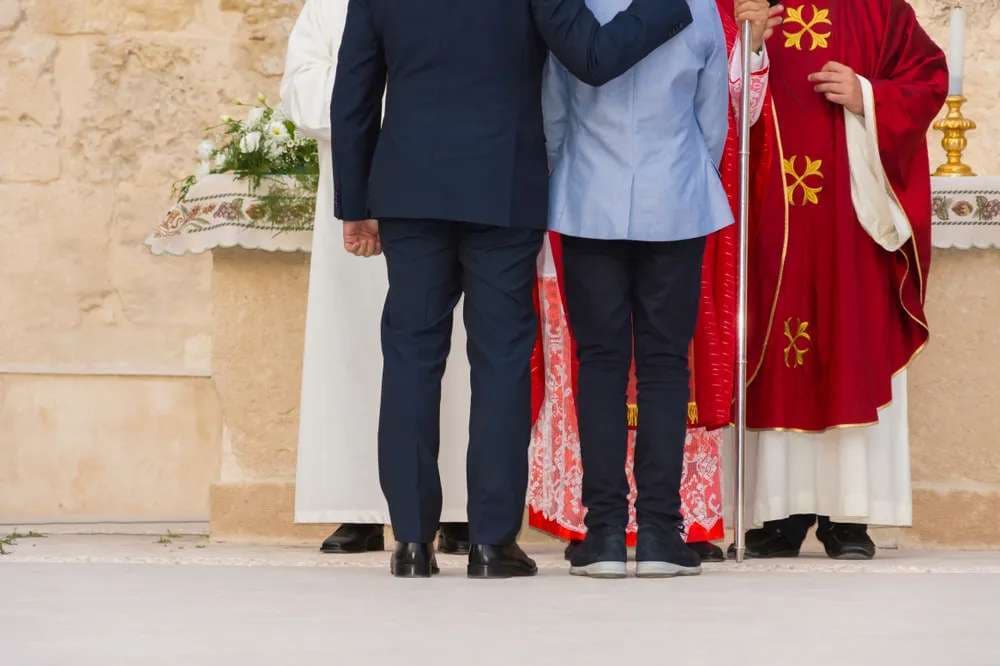
Bishop William Joensen of Des Moines, Iowa, recently announced that the diocese is lowering the reception age of the Sacrament of Confirmation from 10th grade to 6th grade, citing young people’s receptivity to life-changing encounters with Christ.
The transition will begin in the 2027-2028 school year and shifts the two-year formation program to a one-year program that is more family-oriented.
The main reason for the shift “is that young people are more receptive to a personal, life-changing encounter with Jesus that will seal their identity as disciples and members of the Body of Christ, the Church,” Bishop Joensen said in a May 27 video announcement. “Further, we want our young people to have the gifts of the Holy Spirit as they begin to face cultural realities, scheduling and peer pressures, mental health issues, and other challenges that arise in adolescence.”
The bishop explained that in early 2025 he commissioned a task force of representatives from across the diocese to research what the appropriate Confirmation age should be, and it concluded that lowering the age would be appropriate. The group examined trends in other dioceses, children’s spiritual development, and “the Church’s vision for forming young disciples,” he said.
The Holy Spirit descended upon the apostles, who in turn continued Christ’s mission to make disciples and spread the Good News of the Gospel. Popes, especially in recent decades. have reminded Catholics that the Church’s primary mission is evangelization, as demonstrated at Pentecost, the bishop said, and as such, the diocese has been praying with the question: “How can we best communicate the love of Jesus that leads our young people to encounter Him, to know and to live in friendship with Christ, and to be active participants within their community of fellow believers?”
Another reason for the change is that it helps redirect from the notion “that Confirmation is somehow a graduation from religious formation,” Bishop Joensen said. “Rather, it is a sacrament that's meant to strengthen baptismal grace and anchor a young person's identity in Christ. By celebrating the sacrament in 6th grade, we continue to build a solid faith foundation upon which our young people will sow God's spirit as they enter adolescence.”
He explained that the change will make the Confirmation formation approach more family-involved, noting that “parents are the first and primary teachers of the faith” and that much of the transmission of the faith will happen at home. He encouraged parents to talk with their children about when they were Confirmed and to pray with them, in addition to sharing where they see God’s providence, personally encounter God, and have a friendship with Him. Parents should also describe how involvement in their local parish helps them live out their vocation.
“It is our firm belief and hope that they will be emboldened with the gifts of wisdom, understanding, knowledge, counsel, courage, and a devoted love for Jesus and His Father along with all God's saints,” Bishop Joensen said. “We infer that earlier confirmation better serves families and equips young people to see themselves as on mission to live as Jesus did and to share His love with others.”







Comments