Judge confirms court order blocking Haitian TPS termination is no longer in effect
The Trump administration says deportation protections and work authorization tied to Haiti’s TPS designation ended July 27, although the plaintiffs’ constitutional challenge continues.
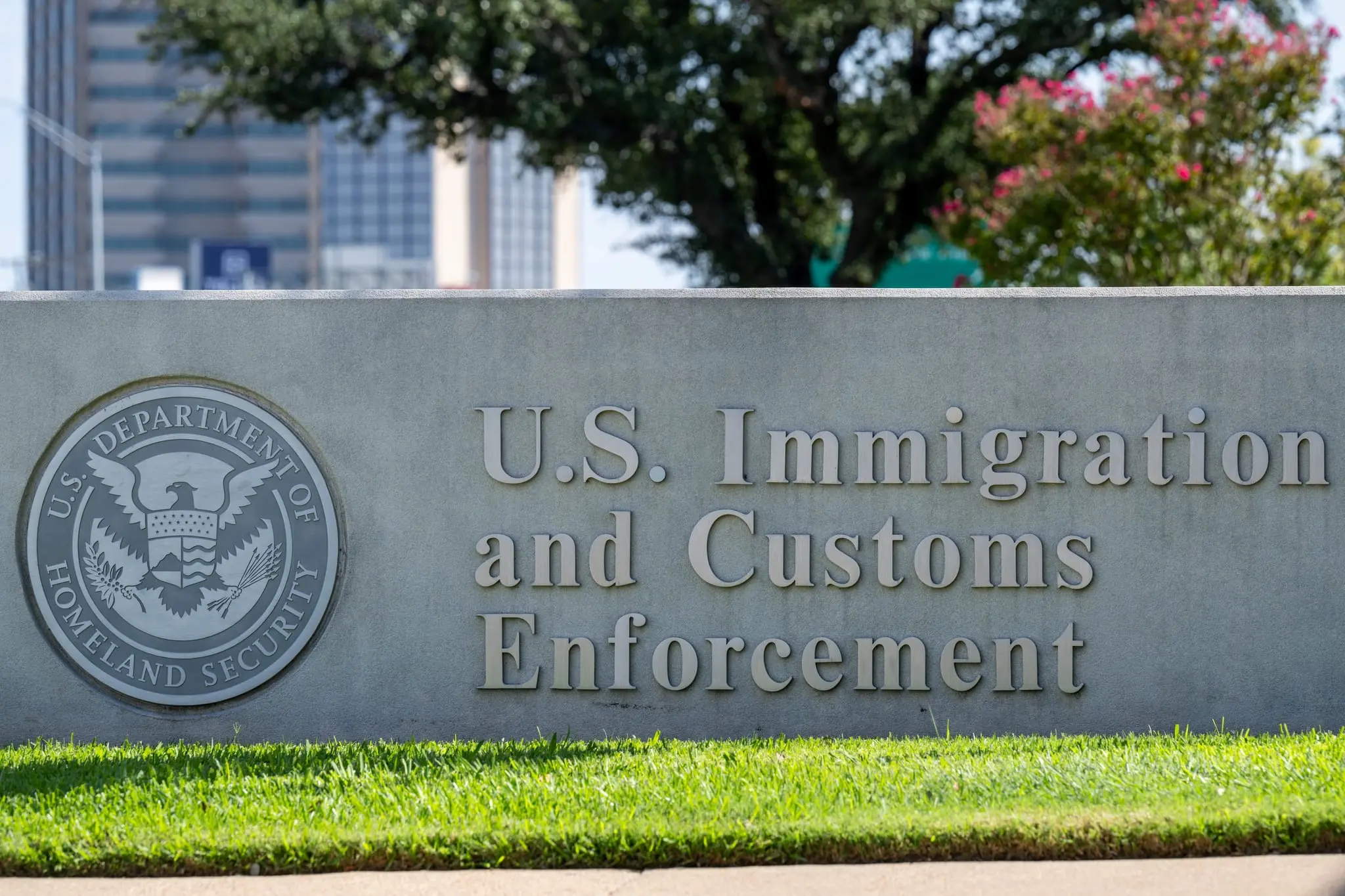
A federal judge confirmed Aug. 5 that her previous decision blocking the Trump administration from ending Temporary Protected Status (TPS) for roughly 350,000 Haitians “is no longer in effect.”
U.S. District Judge Ana C. Reyes issued the Aug. 5 order after the Supreme Court reversed her earlier ruling and the U.S. Court of Appeals for the District of Columbia Circuit returned the case for further proceedings.
The new order formally removes the lower-court barrier to one of President Donald Trump’s most consequential immigration policies. The Department of Homeland Security (DHS), however, said the operative change had already occurred when the Supreme Court issued its mandate.
“Haiti TPS ended when the Supreme Court mandate issued on July 27,” DHS General Counsel James Percival wrote on X.
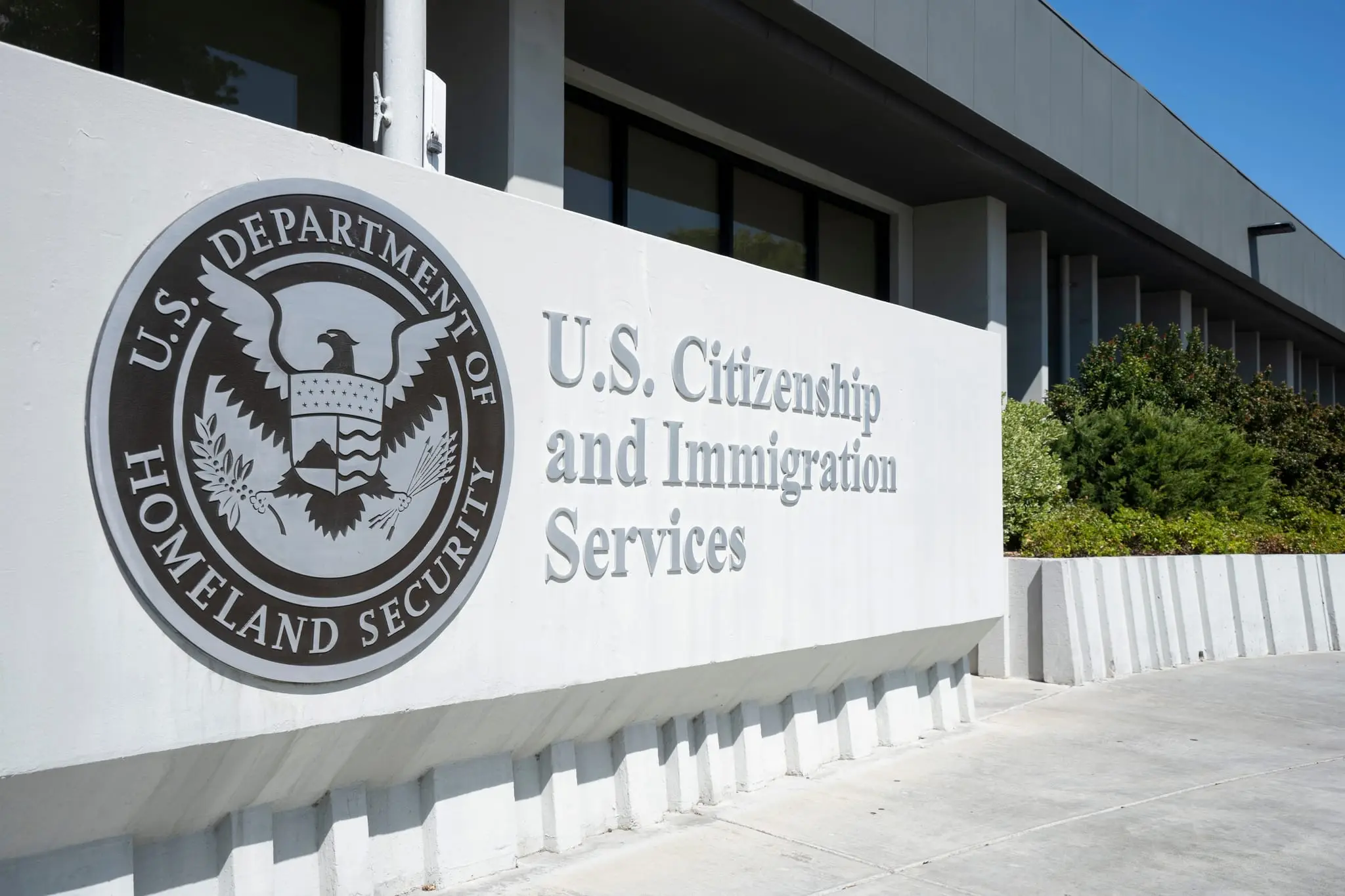
U.S. Citizenship and Immigration Services has likewise announced that Haiti’s TPS designation terminated July 27 and that work permits issued solely under the designation are no longer valid. Employers must reverify affected employees’ authorization to work.
The termination removes TPS-based protection from deportation, although individual Haitians may have some other immigration status, pending application, or legal basis to remain in the U.S.
Supreme Court handed Trump administration major victory
As Zeale News previously reported, the Supreme Court ruled 6-3 on June 25 that federal law largely bars courts from reviewing DHS decisions concerning the designation, extension, or termination of TPS.
Justice Samuel Alito wrote for the conservative majority that the statute’s judicial-review prohibition “is clear, and its plain meaning is very broad.” The court held that the bar applies to all nonconstitutional claims, including allegations that DHS failed to follow required procedures before terminating the designations for Haiti and Syria.
The justices also concluded that the Haitian plaintiffs were unlikely to prove that race was a motivating factor in the decision to terminate the program. The court therefore reversed the lower courts and returned the cases for further proceedings.
The Supreme Court did not enter a final judgment on the Haitian plaintiffs’ constitutional discrimination claim. Reyes’ latest order denied the government’s request to halt discovery and directed the parties to propose a schedule for the remaining litigation.
The high court’s finding that the claim is unlikely to succeed, however, eliminated the interim relief that had kept TPS in effect.
Danger of returning to Haiti
Congress created TPS in 1990. The status does not itself provide a pathway to permanent residency or citizenship. Haiti first received TPS after its devastating 2010 earthquake. The designation was extended repeatedly and expanded under former President Joe Biden amid political collapse, natural disasters, and escalating gang violence.
Following the Supreme Court ruling, Bishop Brendan Cahill, chairman of the United States Conference of Catholic Bishops’ Committee on Migration, said revoking legal status when returning home is unsafe creates “a moral crisis.” He urged Trump to grant Haitians Deferred Enforced Departure if the administration would not preserve TPS and called on Congress to act.
The bishops had argued in January that there was “no realistic opportunity for the safe and orderly return of people to Haiti.”
The State Department continues to place Haiti under its highest-level “Do Not Travel” advisory, citing rampant crime, kidnapping, terrorism, civil unrest, and limited health care. The July advisory states that Haiti has remained under a national state of emergency since March 2024.




Comments