New York Dominicans sue over gender ideology mandate for care centers
A group of Dominican sisters who run a care center in New York sued the state April 6, arguing that a state mandate requires them to go against their Catholic beliefs and treat patients according to their “gender identity” or else face jail time, fines, and other consequences.

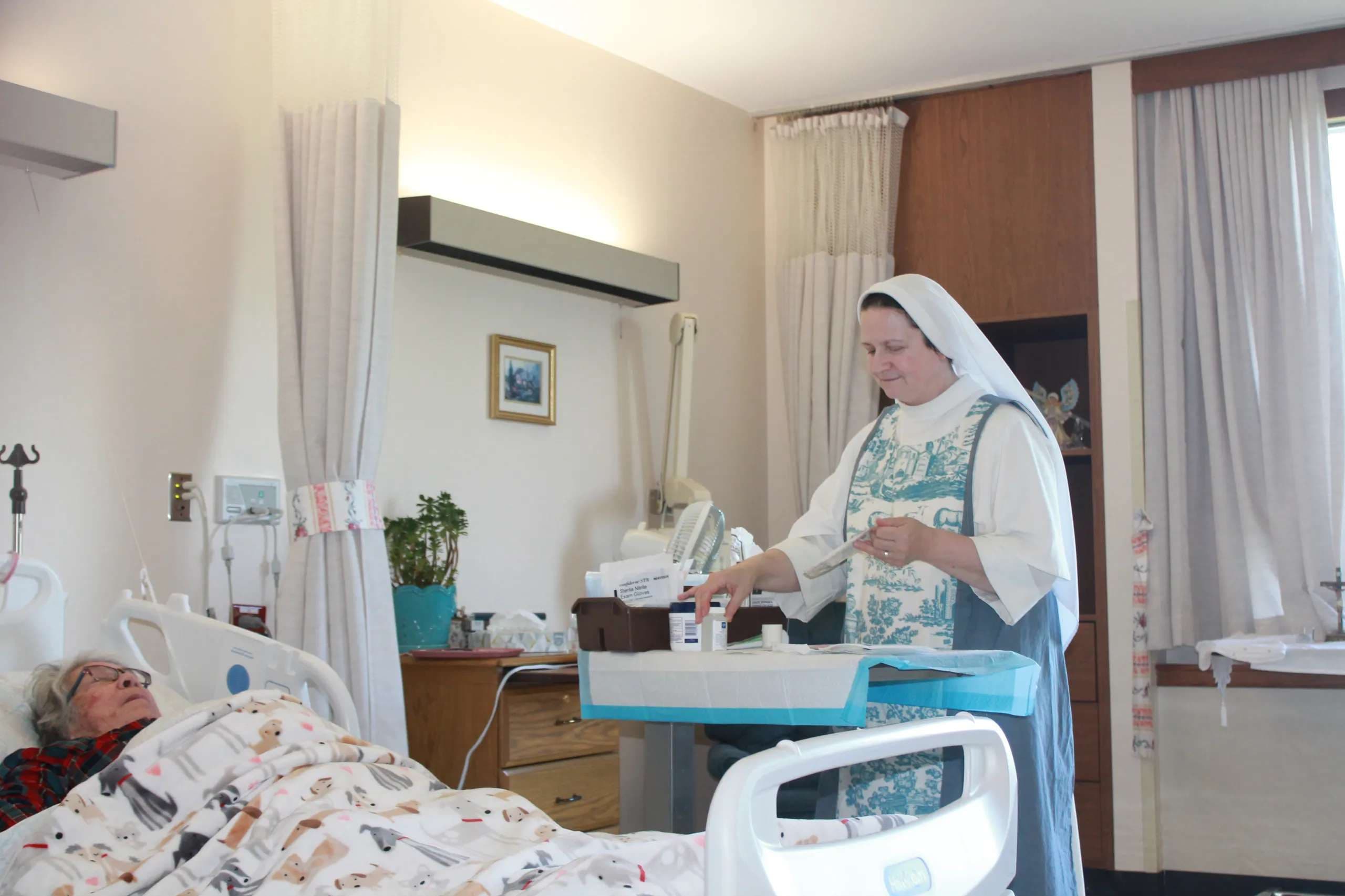
A group of Dominican sisters who run a care center in New York sued the state April 6, arguing that a state mandate requires them to go against their Catholic beliefs and treat patients according to their “gender identity” or else face jail time, fines, and other consequences.
According to a press release from the Catholic Benefits Association, whose legal counsel is representing the Dominican Sisters of Hawthorne, the nuns have run Rosary Hill Home, a care center for incurable cancer patients, for more than 125 years. Mother Marie Edward, the general superior, said that the sisters serve patients “from all walks of life, ideologies, and faiths.”
However, New York requires all long-term care facilities to comply with several policies that conflict with Catholic beliefs, the sisters argue. Those policies include allowing biological men to reside in women’s rooms, permitting patients and visitors to use bathrooms that do not align with their true sex, using “preferred pronouns,” affirming their sexual preferences, and accommodating extramarital sex, according to the release.
Failure to comply with the mandate risks fines, court orders, potential loss of licensing, and imprisonment.
According to the suit, the mandate made a religious exemption for the Church of Christ, Scientist, but did not allow Catholic organizations, like the Dominican sisters, to abide by their religious beliefs in their ministry.
Before suing, the sisters asked the New York State Department of Health to grant an exemption, saying that the mandate infringes on their Catholic values and restricts their free exercise of religion and speech.
According to the release, the state did not respond to their request. Two weeks after filing the request, the sisters sued in federal court, citing violations of their First and 14th Amendment rights.
Sister Stella Mary, administrator of Rosary Hill Home, stated in the release that the sisters’ ministry stems from a charge given by their foundress to make people at the end of their lives as comfortable as possible.
“We intend to continue honoring this sacred obligation,” she said, “but need relief from the Court to do so.”




Comments