‘Not tolerance. It is submission’: Religious liberty commentator criticizes New York LGBT mandate affecting Dominican sisters
A New York law requiring long-term care facilities to follow LGBT-related mandates is forcing a Catholic nursing home run by Dominican sisters to choose between complying with state law and following Catholic teachings, religious liberty commentator Carrie Campbell Severino argued in a May 29 National Review article.

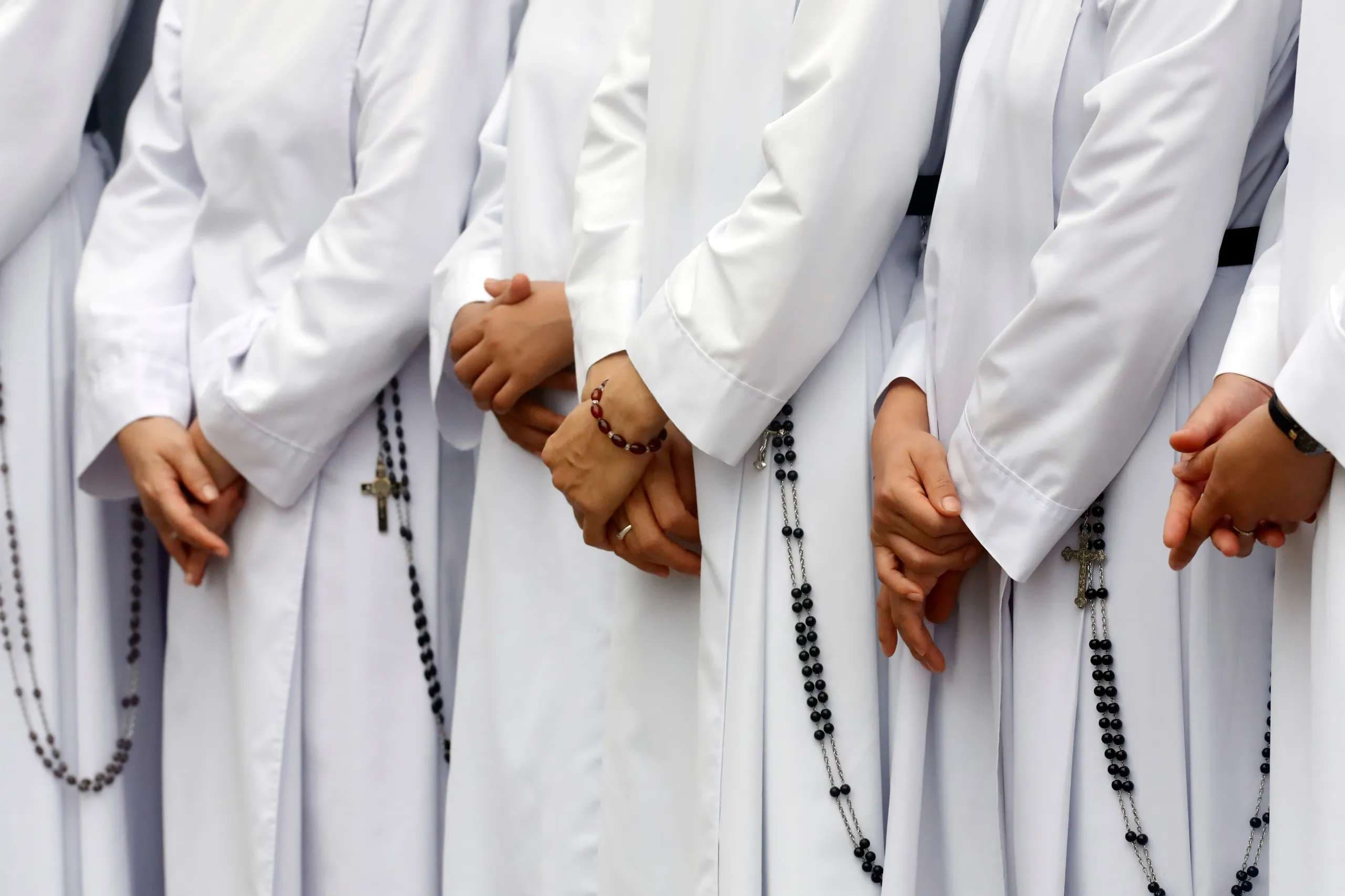
A New York law requiring long-term care facilities to follow LGBT-related mandates is forcing a Catholic nursing home run by Dominican sisters to choose between complying with state law and following Catholic teachings, religious liberty advocate Carrie Campbell Severino argued in a May 29 National Review article.
For 125 years, the Dominican Sisters of Hawthorne have operated Rosary Hill Home in Hawthorne, New York, providing free end-of-life care to cancer patients in financial need. The home relies on the sisters’ labor and private donations.
Severino — president of the Judicial Crisis Network and longtime commentator on judicial and religious liberty issues — noted that state health regulators received no complaints and issued no citations against Rosary Hill during the four-year reporting period that ended in January, while the statewide average was 23 citations per nursing home.
Still, New York has threatened to fine the home and the sisters, revoke the home’s license, and potentially imprison staff members because the sisters have refused to affirm what Severino described as a “government-mandated ideology that flatly contradicts their Catholic faith.”
The state mandate is part of S.1783A/A.372A, which Democratic Gov. Kathy Hochul signed in 2023. The law requires long-term care facilities to assign rooms and grant bathroom access based on residents’ stated gender “identity,” mandates the use of preferred pronouns, and compels public notices affirming compliance. Facilities also must provide “cultural competency” training designed to create “communities welcoming to residents with diverse sexual orientations and gender identities.”
According to Severino, the New York Department of Health has sent the sisters three “Dear Administrator Letters” since March 2024, demanding compliance. The sisters filed a federal lawsuit April 6 in the U.S. District Court for the Southern District of New York, seeking relief on First and Fourteenth Amendment grounds, as Zeale News previously reported. In the complaint, the sisters argued that the mandate violates Catholic teaching on human sexuality. At the same time, the sisters emphasized that they “care for those of all religions and backgrounds, seeing in each patient the face of Christ.”
>> New York Dominicans sue over gender ideology mandate for care centers <<
Severino said New York’s law raises “serious and layered” constitutional concerns, including potential violations of free exercise, compelled speech, religious autonomy, the Establishment Clause, and equal protection. She wrote that the law includes an exemption for facilities operated by the Christian Science Church but offers “zero exemption for any other faith tradition.”
Severino also compared the case to previous religious liberty cases, including the Supreme Court’s decisions in Burwell v. Hobby Lobby Stores in 2014 and Little Sisters of the Poor Saints Peter and Paul Home v. Pennsylvania in 2020. But New York’s law goes even further than the mandates reviewed in those cases, according to Severino, because it requires religious sisters not only to comply with conduct rules but also to affirm and promote views they reject.
The state, Severino said, is “compelling a congregation of nuns to speak falsehoods, redesign their sacred spaces, and train their staff in an ideology their faith explicitly condemns.”
“How many times must people of faith defend their sincerely held beliefs against government overreach?” she asked.
Severino also argued that the situation is particularly striking because the political Left often frames conflicts like this “as if theirs is the compassionate side, fighting against intolerance and bigotry.” But Rosary Hill’s ministry, she wrote, citing the complaint, serves each cancer patient through personal acts of care, such as painting women’s fingernails, brushing their hair, and arranging flowers in their rooms.
“What New York is demanding is not tolerance. It is submission,” Severino wrote. “And when the state threatens Catholic nuns with jail time for practicing their faith while operating one of the most selfless healthcare ministries in the country, something has gone badly wrong.”





Comments