North Dakota bishops back ballot measure aimed at protecting pro-life laws
The bishops point to constitutional amendments expanding abortion access in other states since the overturning of Roe v. Wade, warning that similar measures could threaten North Dakota’s existing protections for unborn children.

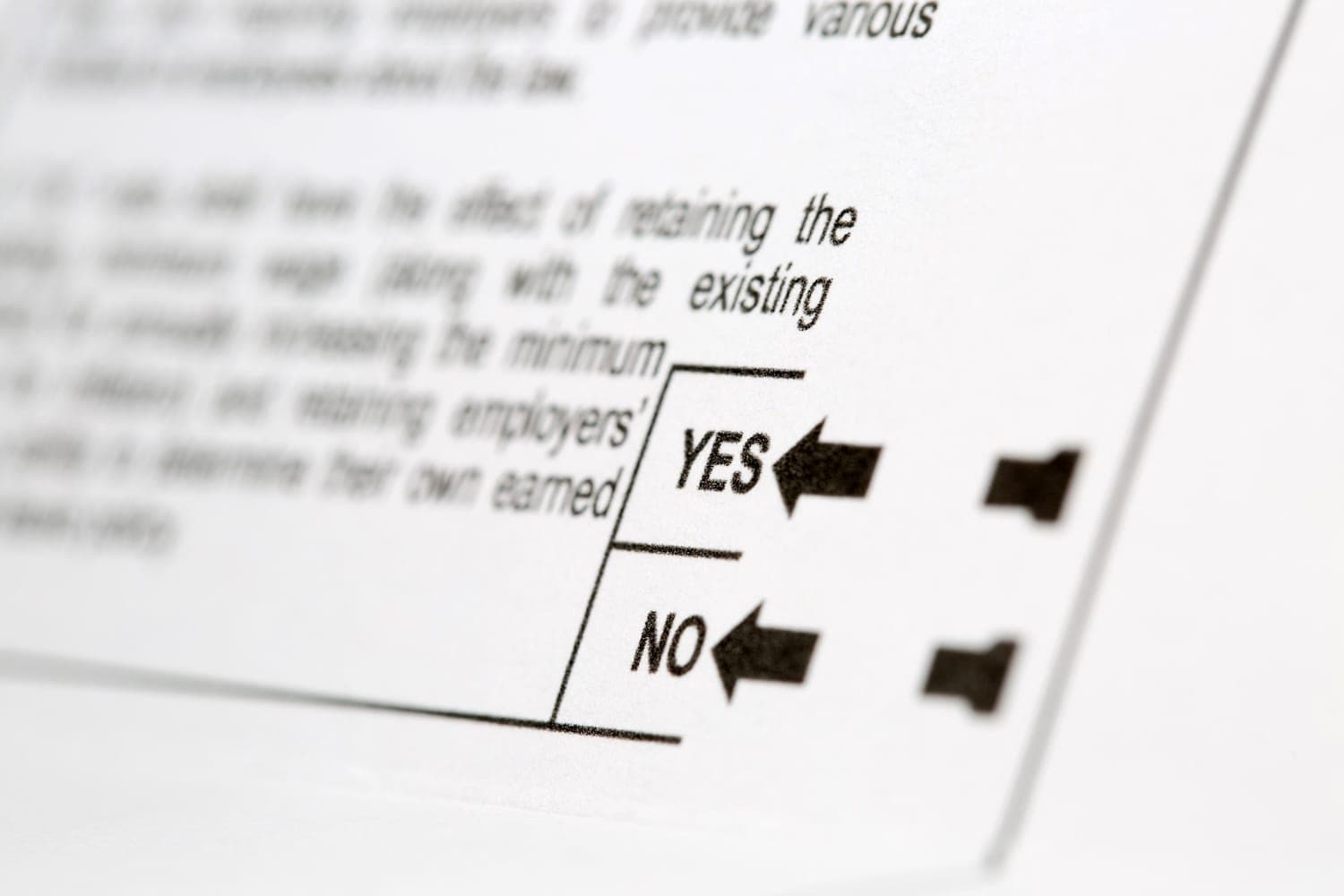
Ahead of the Nov. 3 midterm elections, North Dakota's Catholic bishops are backing a ballot measure that would raise the voter approval threshold for constitutional amendments from a simple majority to 60%.
Fargo Bishop John Folda and Bismarck Bishop David Kagan expressed support for Constitutional Measure 1 in an Oct. 23 statement, citing its potential to protect the state's existing abortion restrictions, and describing it as a “common sense” safeguard.
“For those who value the protection of unborn children, this issue is particularly important,” the bishops wrote. “North Dakota has enacted laws protecting unborn human life, and those protections could be placed at risk if abortion advocates succeed in amending the state Constitution.”
The bishops also addressed why they were weighing in on the measure.
“[Constitutional Measure 1] proposes a change to the political process that, in itself, is neither inherently good nor inherently evil,” they wrote. “Yet this does not mean Measure 1 is devoid of moral implications. We often encounter political proposals that may be ‘morally neutral’ in their direct content, but which can nevertheless have concrete effects on the common good—for better or for worse.”
North Dakota's law prohibiting nearly all abortions took effect following a November 2025 state Supreme Court ruling. The law allows exceptions for rape or incest during the first six weeks of pregnancy and to prevent the mother's death or serious physical injury, as Zeale News previously reported.
The bishops cited Ohio, Missouri, and Montana, where voters approved constitutional amendments expanding access to abortion with less than 60% support following the Supreme Court's 2022 overturning of Roe v. Wade. In Florida, however, a similar amendment failed in 2024, despite receiving 57.17% of the vote, falling short of the state's 60% requirement.
The bishops also warned that North Dakota's relatively small size and “inexpensive media markets” could make it easier for well-funded national organizations to influence ballot measures. They argued that the higher threshold would help limit that influence.
Pointing to the state's history of constitutional amendments, the bishops noted that North Dakota's constitution has been amended 168 times since its ratification in 1889, compared with 27 amendments to the U.S. Constitution since 1789.
“We believe this is good governance,” the statement read. “It protects the stability of our Constitution, encourages broad consensus, limits the ability of outside interests to reshape our state, protects minority rights, and helps preserve North Dakota's ability to protect unborn children.”






Comments