Oklahoma enacts felony penalties for abortion pill trafficking
Oklahoma recently enacted a law making it a felony to traffic abortion-inducing drugs, further restricting the distribution of abortion pills in the state.


Oklahoma recently enacted a law making it a felony to traffic abortion-inducing drugs, further restricting the distribution of abortion pills in the state.
Under House Bill 1168, a person who knowingly delivers abortion-inducing drugs to a person seeking an unlawful abortion, or possesses such drugs with the intent to do so, can face up to 10 years in prison, a $100,000 fine, or both, according to StateImpact Oklahoma. The drugs include mifepristone, misoprostol, and methotrexate.
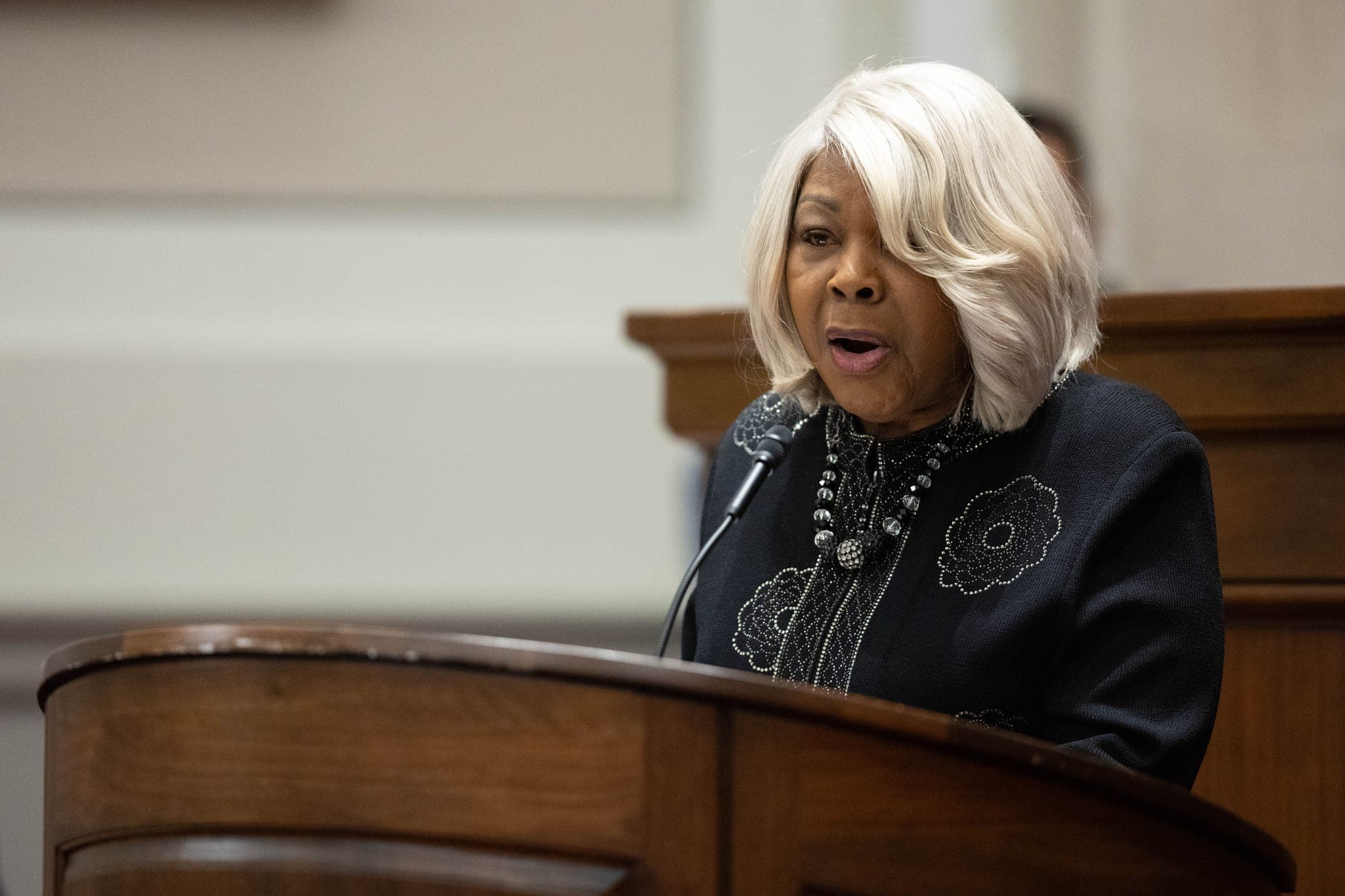
Republican State Rep. Denise Crosswhite Hader, author of the bill, said in a recent press release that the bill, which was signed into law May 5, is a step toward protecting women and children from abortion. She said that despite Oklahoma's abortion restrictions, abortion-inducing drugs continue to be trafficked into the state, calling the practice the “greatest threat to motherhood.”
“The injustice of the abortion pill being trafficked in Oklahoma is a generational loss of Holocaust proportions,” Hader said, “and the victims are always twofold.”
The bill also comes amid reports of increased scrutiny of abortion pills nationwide. As Zeale News previously reported, chemical abortions accounted for 63% of U.S. abortions in 2023, while abortions obtained through telehealth and mail delivery increased after the Biden administration removed federal in-person dispensing requirements.
StateImpact Oklahoma reported that the bill was modeled on legislation developed by Students for Life Action, a national pro-life advocacy organization that has sought to restrict the distribution of abortion pills following the 2022 overturning of Roe v. Wade.
The measure concludes a three-year effort by Oklahoma lawmakers to tighten restrictions on abortion pills. According to StateImpact Oklahoma, Hader and Republican State Sen. David Bullard have worked on the measure since the 2024 legislative session.
According to StateImpact Oklahoma, House Bill 1168 does not apply when drugs that can induce abortion are prescribed for other medical purposes, including treatment of ectopic pregnancies, spontaneous miscarriages, and certain forms of chemotherapy.
The outlet reported that the law is scheduled to take effect Aug. 12.








Comments