Pennsylvania Medicaid now covers abortion as attorney general fights to restore funding ban
Pennsylvania taxpayers will continue funding abortions through the state's Medicaid program while the state Supreme Court considers whether to restore a decades-old funding ban.

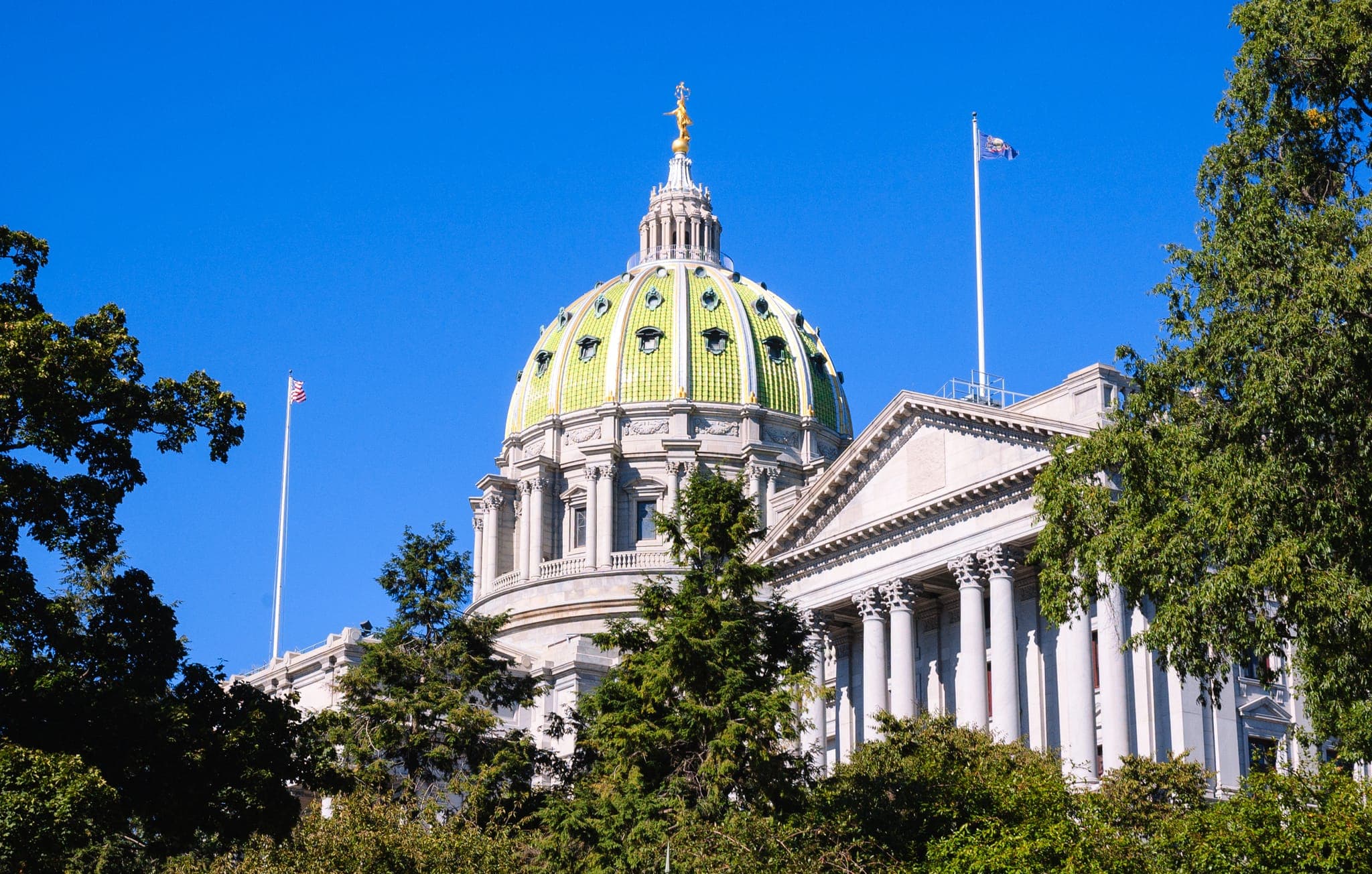
Pennsylvania's Medicaid program began covering abortion procedures this month, even as the state's attorney general presses an appeal to reinstate a decades-old ban on taxpayer-funded abortion.
Medical Assistance, the commonwealth's Medicaid program, started paying for medication and procedural abortions on July 16, according to WHYY News, a PBS affiliate. The change follows an April 20 ruling from the Commonwealth Court of Pennsylvania that struck down a 1982 law barring state Medicaid funds from covering abortion, except in cases of rape, incest, and danger to the mother's life.
Republican Attorney General Dave Sunday filed an appeal in May contesting the ruling. A judge ruled this past week that Medicaid coverage for abortion will continue while the appeal proceeds.
Sunday has said the appeal reflects his statutory duty as attorney general "to uphold and defend the constitutionality of all statutes so as to prevent their suspension or abrogation in the absence of a controlling decision by a court of competent jurisdiction."
Pro-life groups are backing Sunday's appeal. Leaders at organizations including the Pennsylvania Pro-Life Federation called the move a "bold step" and described the case as an "urgent matter," according to WHYY.
"We believe quite strongly that taxpayer funds should not be used to pay for abortion, which is the taking of an innocent unrepeatable human life," Maria Gallagher, executive director of the Pennsylvania Pro-Life Federation, said. "And we are hopeful that the Pennsylvania Supreme Court will reverse course on this and will ensure that our hard-earned tax dollars do not pay for abortion."
Gallagher pointed to a 2024 study of Medicaid participants in six states, conducted before the U.S. Supreme Court overturned Roe v. Wade, that found lifetime abortion rates were higher in states where Medicaid covered the procedure.
"We know from research that when taxpayer funding of abortion occurs, abortion rates skyrocket," Gallagher said.
She said she expects the number of abortions in Pennsylvania to rise while the appeal is pending.
"It's a traumatic situation for women in Pennsylvania and a tragedy for pre-born babies in Pennsylvania," Gallagher said. "It is very important that we go back to the way things were and return to a policy that's common sense, that makes sense for women and for their families."
How the ban was overturned
The case Sunday appealed originated when several abortion providers in Pittsburgh and across Pennsylvania sued the state Department of Human Services over the funding ban. The plaintiffs argued the law was unconstitutional because it singled out reproductive services for women for exclusion while continuing to cover all reproductive services for men, which they argued violated the state's Equal Rights Amendment.
The Commonwealth Court agreed in its April 20 decision.
Pro-abortion groups celebrated the ruling. Susan Frietsche, executive director of the Women's Law Project, said in a statement that "a terrible injustice that has harmed Pennsylvanians for decades has ended."
Christine Castro, senior staff attorney at the Women's Law Project, called the decision "a victory for racial justice and public health," saying in a statement that "low-income people and Black women in particular have suffered for decades under an unconstitutional law that seeks to coerce them into carrying pregnancies against their will."
Democratic Gov. Josh Shapiro, who has campaigned on preserving and expanding abortion access in Pennsylvania, also praised the ruling, according to WHYY.
The Pennsylvania Supreme Court has not set a date for oral arguments. Until it rules, Medical Assistance will keep covering abortion statewide, leaving the funding fight unresolved.



Comments