Pope Leo speaks out on the expiration of nuclear weapons treaty
Pope Leo XIV on Feb. 4 urged world leaders not to abandon the New START nuclear arms reduction treaty as it reaches its scheduled expiration. The Pope warned the collapse of the agreement risks fueling a new global arms race and further undermining international peace.

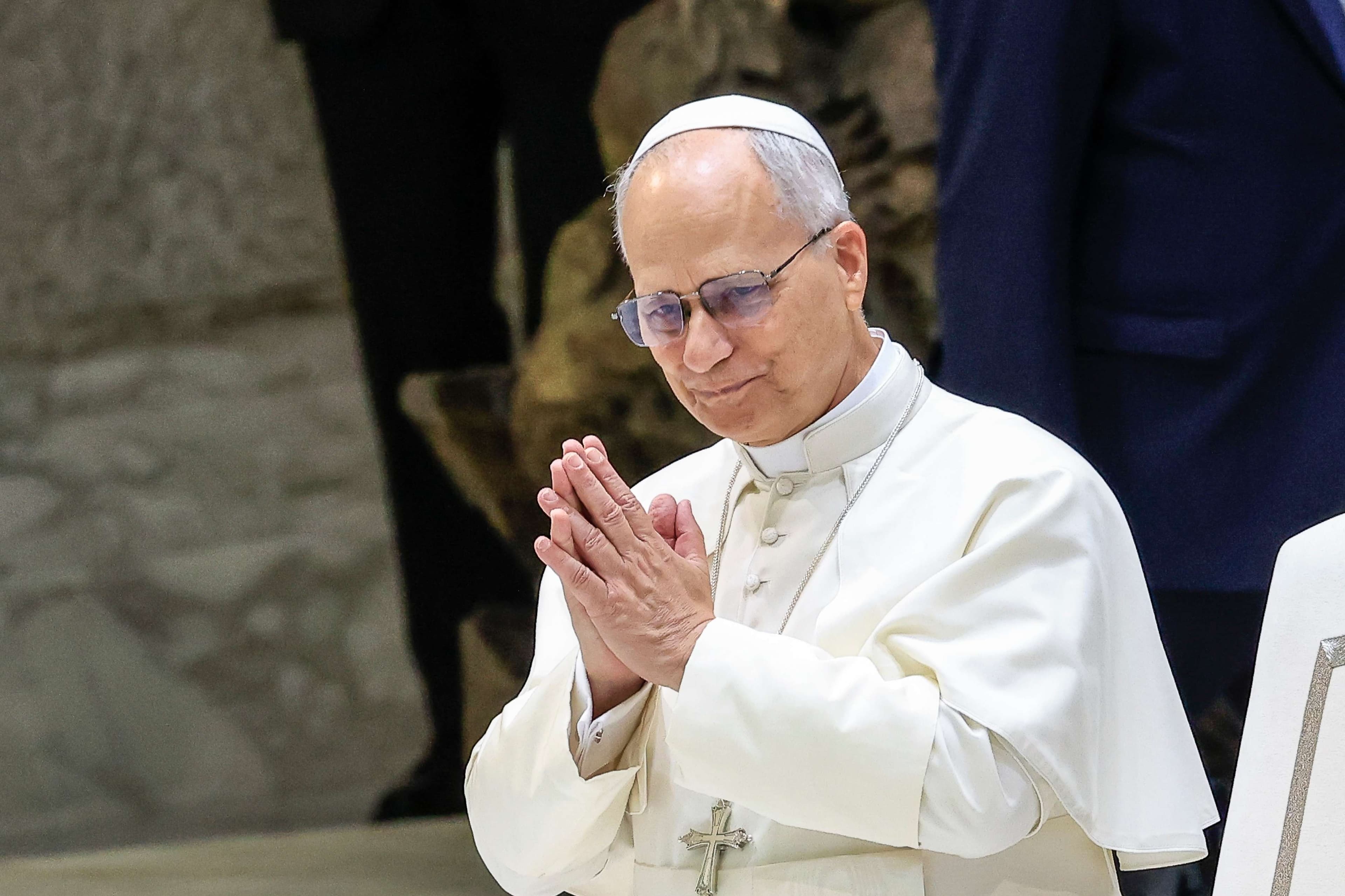
Pope Leo XIV on Feb. 4 urged world leaders not to abandon the New START nuclear arms reduction treaty as it reaches its scheduled expiration. The Pope warned the collapse of the agreement risks fueling a new global arms race and further undermining international peace.
“Tomorrow marks the expiry of the New START Treaty signed in 2010 by the Presidents of the United States and the Russian Federation, which represented a significant step in containing the proliferation of nuclear weapons,” the Pope said during his weekly general audience.
Renewing his call for disarmament, Pope Leo urged serious efforts to ensure the treaty's continuation or replacement.
“I urgently call for this instrument not to be abandoned without seeking to ensure its concrete and effective follow-up,” he said. “The current situation requires that everything possible be done to avert a new arms race that would further threaten peace among nations.”
New START, the last remaining nuclear arms control treaty between the U.S. and Russia, limits deployed strategic nuclear warheads and delivery systems. Its expiration removes the final set of mutual, legally binding restraints on the world’s two largest nuclear arsenals.
The Pope framed the treaty’s lapse as a moral and humanitarian concern and urged nations to move away from fear-driven decision-making.
“It is more urgent than ever to substitute the logic of fear and distrust with a shared ethos capable of guiding choices towards the common good,” Pope Leo said, adding that peace must be treated “as a treasure to be cherished by all.”
The Pope’s appeal comes shortly after a similar warning from Archbishop Paul Coakley, the president of the United States Conference of Catholic Bishops, who called the treaty’s expiration “simply unacceptable” amid escalating global conflicts and rapid advances in military technology.
>> USCCB president calls for diplomacy before nuclear weapons treaty expires <<
In a statement released Feb. 3, Archbishop Coakley urged policymakers to pursue diplomatic negotiations and maintain limits on nuclear weapons, saying the dangers posed by current wars — including the conflict in Ukraine — heighten the moral urgency of arms control.





Comments