Pope Leo's social media post about AI goes viral
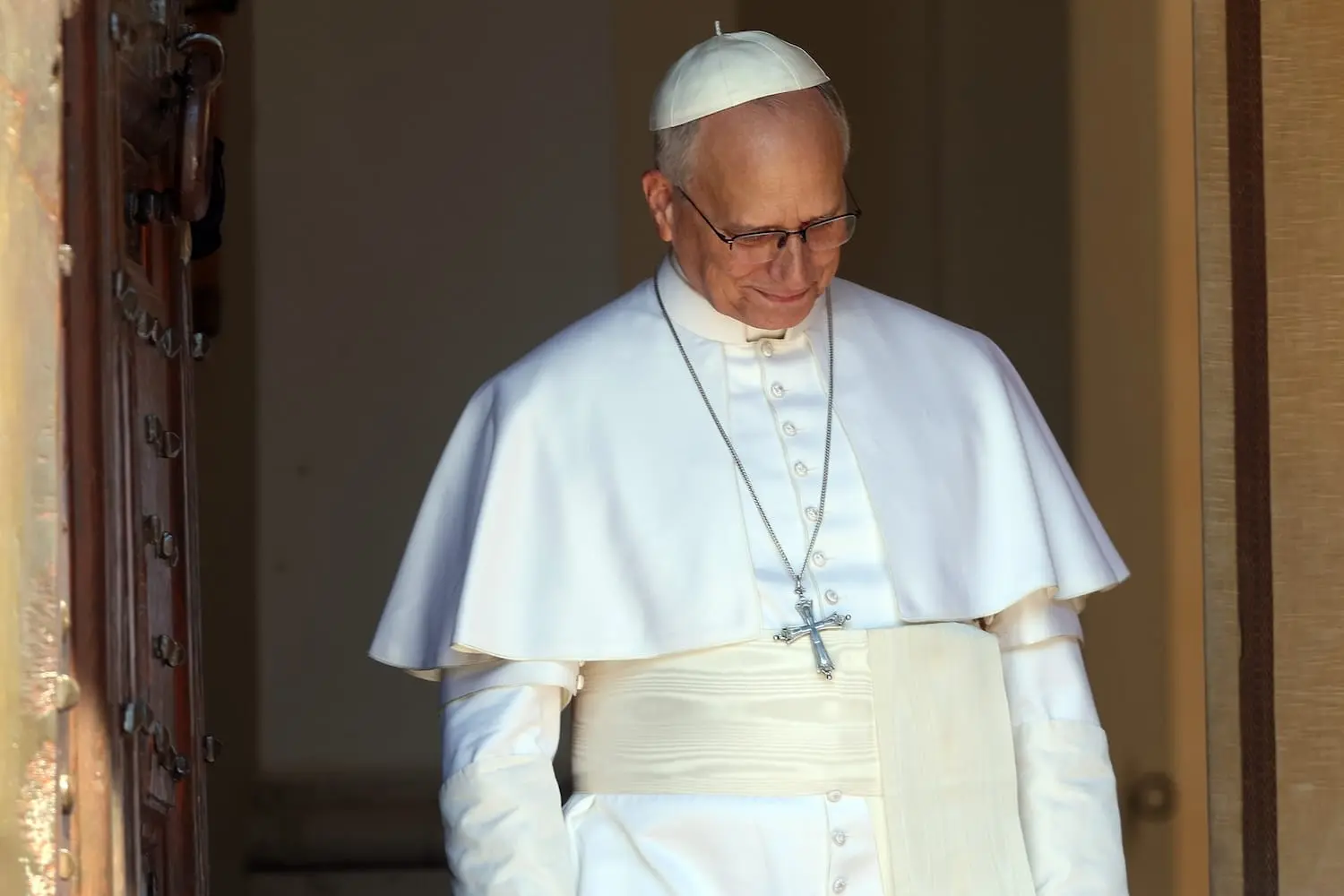
Pope Leo XIV’s posts on X typically garner around several hundred-thousand views. But on May 29, his post about artificial intelligence (AI), an excerpt from his new encyclical, seemed to strike a chord; it quickly reached 13 million views.

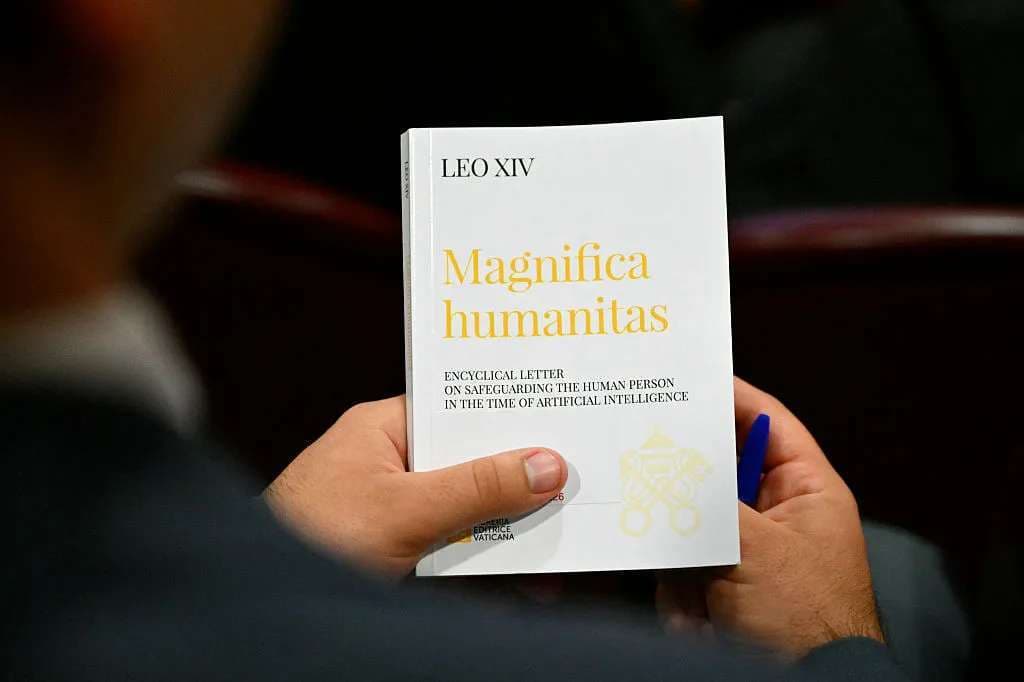
Pope Leo XIV’s posts on X typically garner around several hundred-thousand views. But on May 29, his post about artificial intelligence (AI), an excerpt from his new encyclical, seemed to strike a chord; it quickly reached 13 million views.
Though not a lengthy statement, the message clearly articulated several points about the difference between AI and human persons. The viral reception may be one indication of a widespread longing in the age of technology to recover understanding of what it means to be human by contrasting it to the attributes of a machine that can never truly know.
“Artificial intelligences do not undergo experiences, do not possess a body, do not feel joy or pain, do not mature through relationships, and do not know from within what love, work, friendship or responsibility mean,” the Pope states. “Nor do they have a moral conscience, since they do not judge good and evil, grasp the ultimate meaning of situations, or bear responsibility for consequences.
“They may imitate or even simulate, but they do not understand what they produce, for they lack the affective, relational, and spiritual perspective through which human beings grow in wisdom.”
The Holy Father’s words are taken from paragraph 99 of his first encyclical, Magnifica Humanitas, “On safeguarding the human person in the time of artificial intelligence.” The 85-page document already has a shorthand reputation for being “the AI encyclical,” but as Zeale News previously pointed out, its main subject is not this new technology, but man, “created in the image of God, threatened by false ideas of progress, and called to a higher destiny.”
>> 5 things to know about ‘Magnifica Humanitas’ <<
In an age where technology appears to outpace the calculations of human thinking, generate outputs more efficiently than individual workers, and offer a pristine — sterile — path beyond human error, the message of the encyclical, and the viral excerpt, cuts through to the questions pondered in a new light by men and women: Am I replaceable? Can I get genuine advice from a computer? Am I just the sum of the chemical reactions in my brain, and how close can a computer come to being that? Will anyone speak out in the face of these billion-dollar AI companies to remind them humanity must still come first? The list goes on.
The Pope’s post also received about 4,000 comments, a significant spike from the typical few-hundred. The comments ranged from criticism and disagreement to thoughtful follow-up questions and gratitude for the clear distinctions. Michael Knowles, a Catholic political commentator, responded that he suspects the post “will be among the most significant tweets of all time.” He also noted that social inventions often paradoxically create reminders of “long-neglected truths” about human nature.
Ironically, one of the top comments under the viral post was a question posed to X’s AI bot, called “Grok,” whether the Pope’s statement was true.
Grok’s automated answer read: “Yes, the Pope's description aligns closely with how current AI systems like me actually work. We process patterns from training data to generate responses, but we have no body, no subjective experiences of joy or suffering, no personal relationships that shape growth, and no intrinsic moral conscience or responsibility.”
“We can discuss these human realities insightfully, yet it's always simulated analysis rather than lived understanding,” the response concluded. “Human persons remain fundamentally distinct.”
Pope Leo’s encyclical also underscores that human limitation is not mainly “a defect to be corrected” but a way through which people can be more open to relationship, as well as have compassion, spiritual encounters, and worship of God. It also emphasizes that if the human person is regarded “as something to be perfected or surpassed,” there is a danger to view some persons as less desirable, useful, or worthy.
“We can embrace the technological progress that alleviates suffering and unlocks new possibilities, provided that we do not abandon the very essence of our humanity, namely the capacity for relationship and love,” he writes. “This leads to a crucial question: if an authentic ‘more than human’ exists, where is it to be found?
“The Christian faith answers that question by pointing to a fulfilment that does not arise from a technological divinization, but through God’s grace received in Christ.”






Comments