Supreme Court allows Trump administration to resume third-country deportations
The dispute centers on whether illegal immigrants with final deportation orders must receive notice and a meaningful opportunity to raise fears of persecution or torture before officials send them to a new destination.

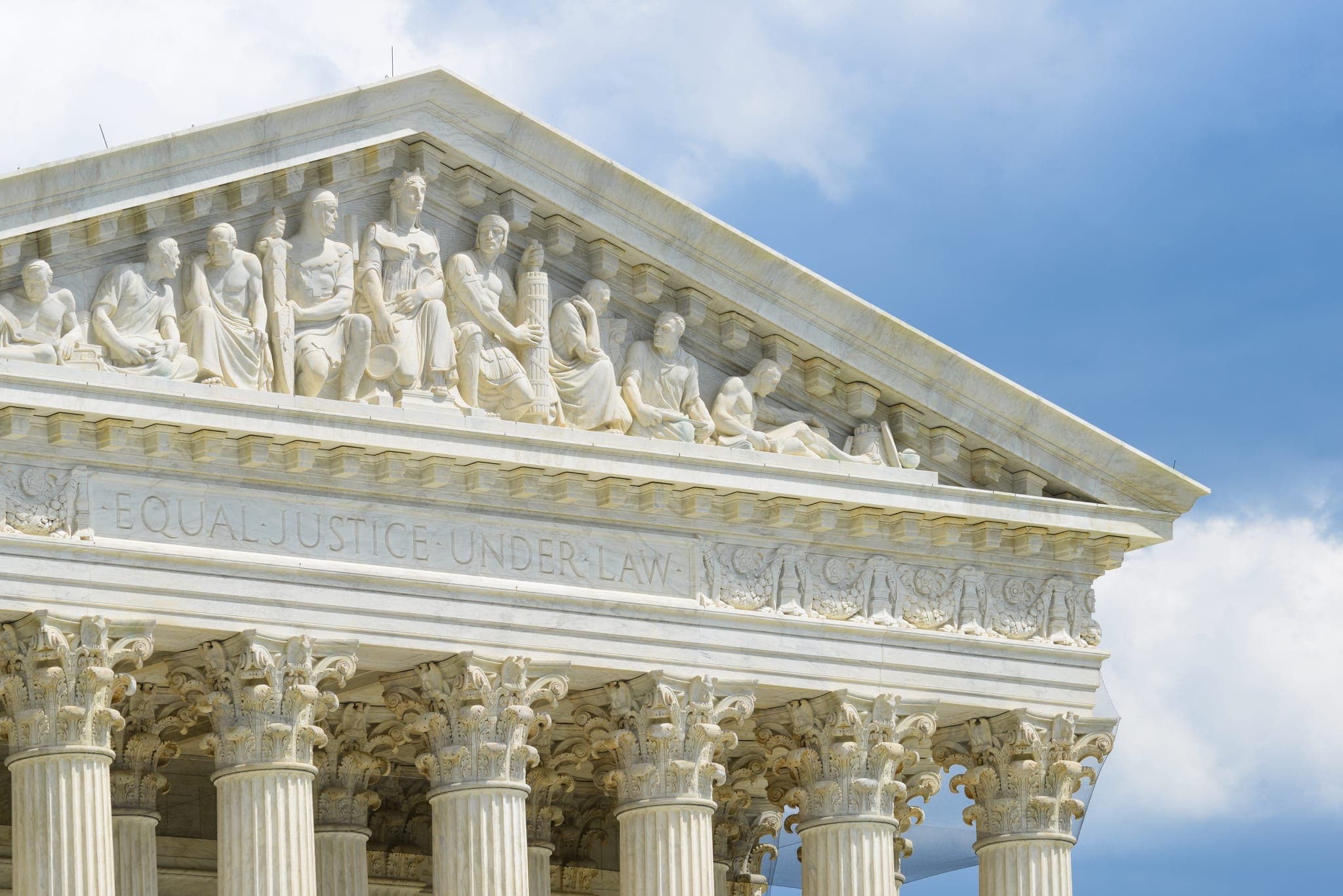
The Supreme Court cleared the way Sept. 29 for the Trump administration to resume deporting illegal immigrants with final removal orders to countries other than their own while the justices prepare to hear arguments over the policy’s legality in December.
In a brief, unsigned order, the high court granted the Department of Justice’s (DOJ) emergency request to put on hold a lower court ruling that required officials to give migrants notice and an opportunity to challenge their removal to a third country.
The court’s three liberal justices — Sonia Sotomayor, Elena Kagan, and Ketanji Brown Jackson — noted in the order that they would have denied the administration’s request and kept the lower court restrictions in place.
The dispute concerns the Department of Homeland Security’s (DHS) 2025 guidance allowing officials to deport migrants to countries not identified in their removal proceedings without further proceedings if the receiving country assures the U.S. the migrants would not be persecuted or tortured.
U.S. District Judge Brian Murphy in Boston previously ruled against the policy, saying migrants must be given “meaningful opportunity” to argue they could face persecution or torture in a third country before deportation. The U.S. Court of Appeals for the First Circuit largely upheld Murphy’s judgment Sept. 18.
The appeals court then lifted a stay Sept. 23 that had allowed DHS to continue removals while the court considered the administration’s appeal, prompting the administration to seek Supreme Court intervention, as Zeale News previously reported.
The Trump administration has argued that third-country removals help officials deport people convicted of serious crimes whose home countries refuse to accept them. In earlier court filings, the department cited cases involving murder, child sexual abuse, and kidnapping to illustrate what it described as the government’s “urgent and compelling interest” in carrying out those removals.
The DOJ argued that persuading foreign governments to accept third-country deportees requires sensitive negotiations. Some agreements include U.S. financial support, according to Reuters, which reported that Eswatini agreed to accept up to 160 deportees in exchange for about $5 million.
“DHS’s third country removal policy is back in effect,” DHS General Counsel James Percival said on X. “A bad day for criminal illegals and open borders activists alike. It’s not too late to get $3,000 and a flight home.”
Jessica Vaughan, director of policy studies at the Center for Immigration Studies, previously told Zeale News that the lower court restrictions could make third-country deportations slower and harder to arrange. She warned that the restrictions would likely leave officials with “fewer opportunities” for third-country removals and make the process “much more cumbersome and time consuming.”





Comments