Trump feuds with Netanyahu over strikes on Iran, Lebanon: ‘I call the shots. Bibi does not.’
As President Donald Trump works to conclude a nuclear deal with Iran, Israel has continued to exchange strikes with the Islamic Republic despite repeated warnings from the U.S. President over June 7 and 8.

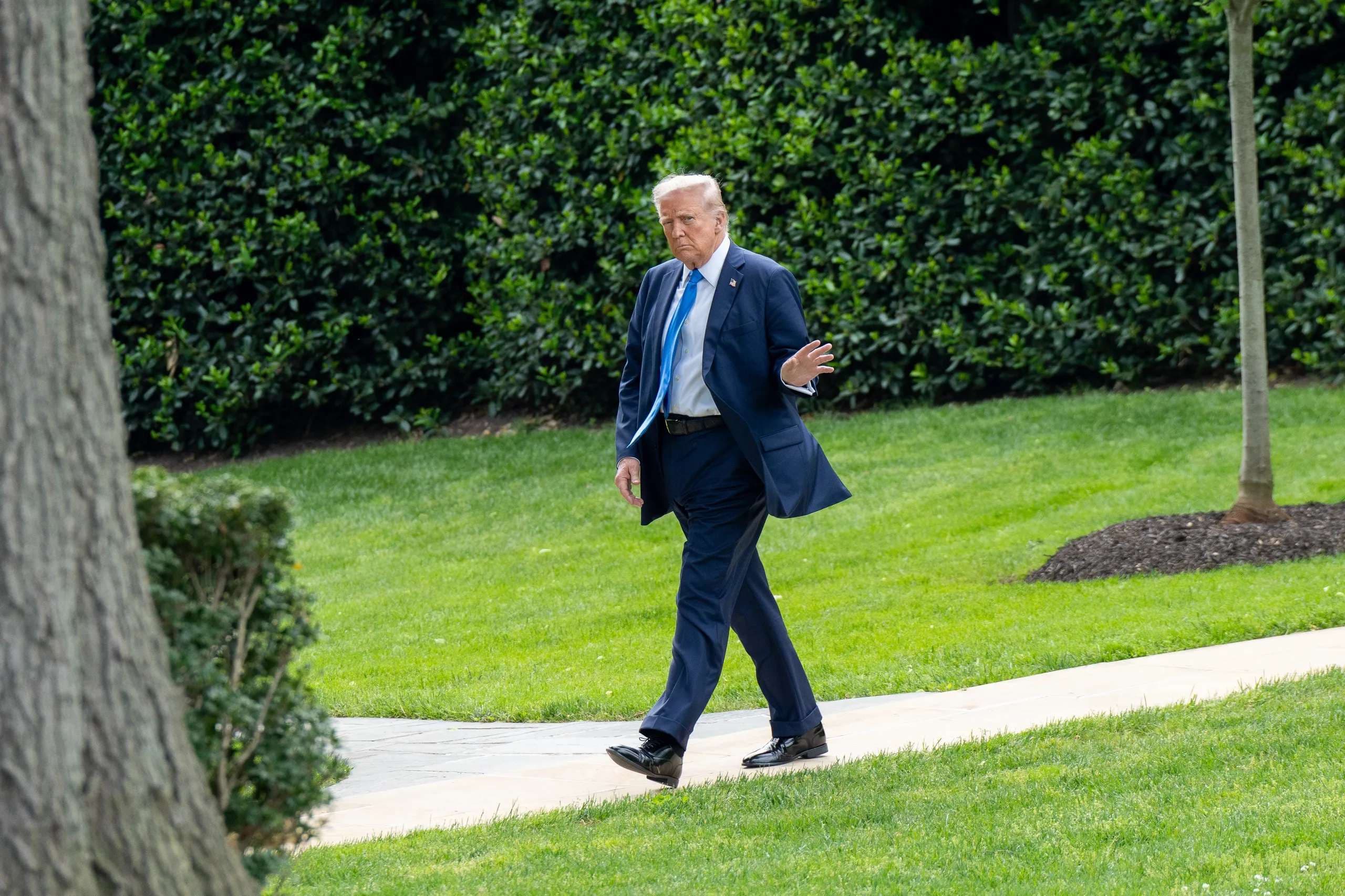
As President Donald Trump works to conclude a nuclear deal with Iran, Israel has continued to exchange strikes with the Islamic Republic despite repeated warnings from the U.S. President over June 7 and 8.
"I call the shots," Trump said in a June 7 phone interview with the Financial Times. "Bibi does not."
Trump also told Israeli Channel 12 June 8 that he had warned Israeli Prime Minister Benjamin Netanyahu the previous night: "You better be very careful what you do, because you could be left alone facing Iran very soon.”
Tensions between Trump and Netanyahu grew June 7 after Iran fired multiple waves of ballistic missiles at Israel in retaliation for an Israeli strike in Beirut, Lebanon. Iran’s strikes were its first direct attack on Israel since an April 8 ceasefire. Israel said it intercepted the missiles.
Shortly after the Iranian strikes, Trump told Axios he planned to call Netanyahu immediately. "I am going to call Bibi right now and tell him not to retaliate," Trump said. "Each of them had their fun. Israel had its strike, and Iran had its strike. We don't need another one."
Trump also told Fox News June 7 that he would instruct Netanyahu to refrain from retaliatory action, a directive at odds with statements from the Israeli military.
That night, Trump called Netanyahu to make that point, according to Channel 12. The conversation ended without a clear agreement between the two leaders, though several Trump aides on the call told Channel 12 they believed Trump had bought a few more days without Israeli retaliation to support U.S.-Iran negotiations.
After the call, however, Netanyahu convened consultations with senior security officials and then informed Secretary of State Marco Rubio that he had decided to carry out strikes against Iran, according to Channel 12. Trump told Channel 12 that Israel notified Washington only at the last minute — as missiles were already airborne — and said he managed to scale back the scope of the attack.
Trump said five regional countries involved in mediation efforts between the U.S. and Iran had urged him to pressure Netanyahu to halt the strikes. "These countries were very concerned. They love the deal that we have been negotiating," Trump said, according to Axios.
On the morning of June 8, Iranian officials contacted Washington and said they would not carry out further attacks on Israel. The Iranians asked that Israel stop attacking in return, according to Channel 12. Trump said he then called Netanyahu again and persuaded him to agree to halt further strikes.
In a brief address to the nation June 8, Netanyahu said he would halt attacks on Iran "for now," but warned that Israel would strike Iran and Hezbollah if it is attacked again.
Despite the exchange of strikes, Trump said Iran's attacks would not affect U.S.-Iran negotiations. "It's not going to have any impact on the deal," Trump told the Financial Times. "The deal may make it on its own merit, or not, but this will not have any effect on it."
Trump added, however, that he was not certain a deal was imminent. "I think the deal is going on," he said. "We'll see what happens."
Asked what would happen if negotiations failed, Trump said he would consider a commando raid on Iran or continued economic pressure. "The blockade has been probably more powerful than any attack that was ever made on that country," he told the Financial Times.
Trump's warnings to Netanyahu follow the leak last week to Axios of a heated phone call between the two leaders in which a U.S. official described the president telling Netanyahu: "You're f***ing crazy. You'd be in prison if it weren't for me. Everybody hates you now. Everybody hates Israel because of this." Trump confirmed the call took place and did not dispute the characterization, the Financial Times reported.
Trump told Fox News June 2 that he believed he had been only days away from finalizing an agreement with Iran before the latest fighting erupted.
Despite several U.S.-brokered Israel-Lebanon ceasefires, including one that came into effect last week, Israel has continued to strike targets nearly daily in Lebanon.
.jpg&w=3840&q=75)



Comments