US-Iran nuclear talks conclude in Geneva without agreement
Indirect negotiations between the U.S. and Iran over Tehran’s nuclear program wrapped up Feb. 26 without a final agreement, but officials indicated that some progress was made.

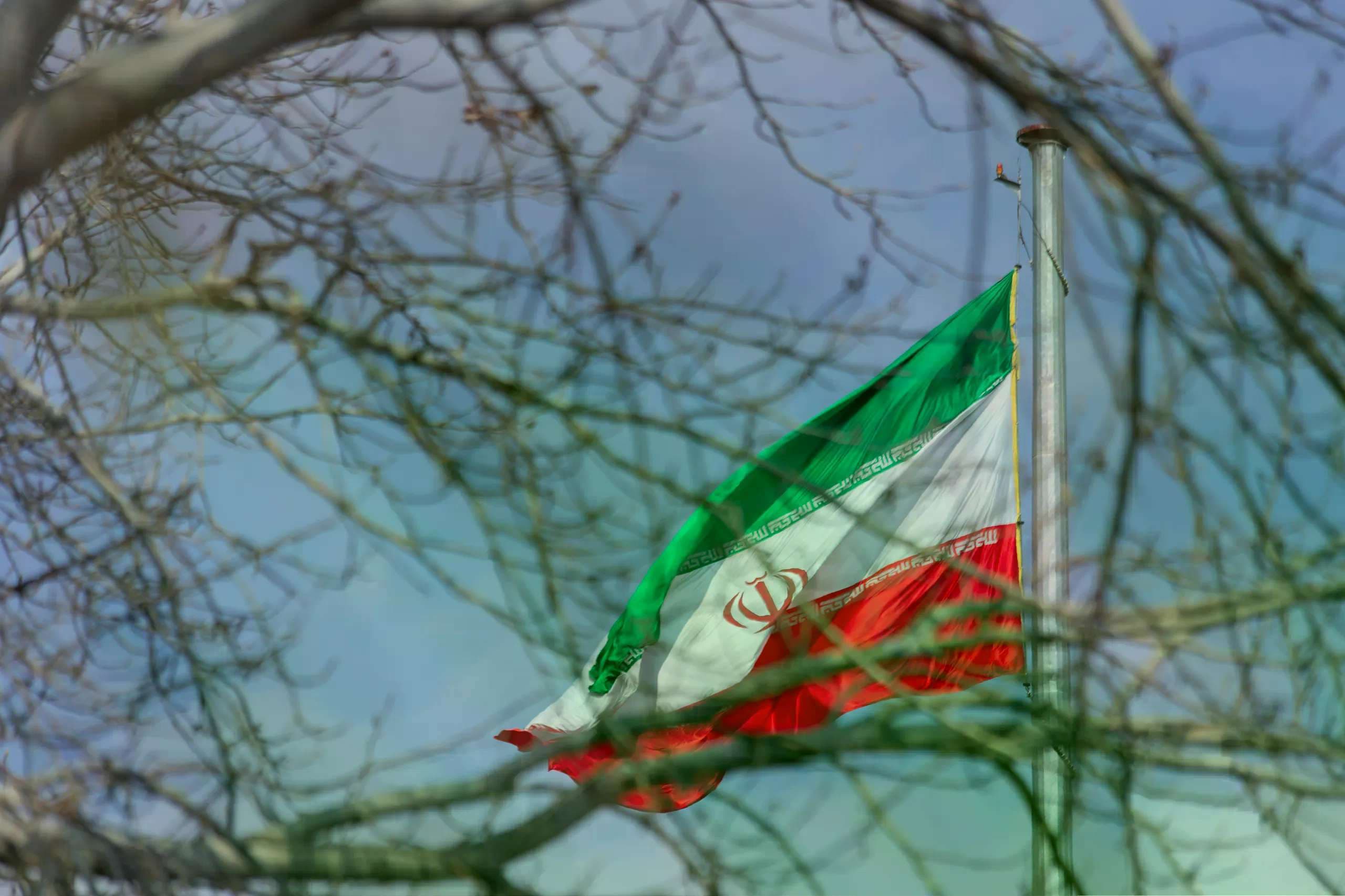
Indirect negotiations between the U.S. and Iran over Tehran’s nuclear program wrapped up Feb. 26 without a final agreement, but officials indicated that some progress was made.
The high-stakes discussion, held in Geneva, comes amid a significant U.S. military buildup in the Middle East, as President Donald Trump weighs potential military action against Iran. Trump has maintained that he prefers diplomacy.
Omani Foreign Minister Badr al-Busaidi, who mediated the talks, said on X that there had been “significant progress in the negotiation” but did not provide details. He also announced that both delegations would return to their respective capitals for consultations, and technical-level talks are scheduled to resume next week in Vienna.
Iranian Foreign Minister Abbas Araghchi described the session as “one of our most intense and longest rounds of negotiations” in an interview with Iranian state television, according to AP News. He said the two sides agreed on some issues but differed on others, including uranium enrichment levels.
The U.S. delegation was led by Steve Witkoff, the White House’s special envoy to the Middle East, and Jared Kushner.
The Wall Street Journal reported that U.S. negotiators presented at least three core demands: that Iran dismantle its main nuclear facilities at Fordow, Natanz, and Isfahan; transfer its remaining stockpile of enriched uranium to the U.S.; and agree to terms that would prevent the deal from expiring.
Trump has repeatedly said he prefers a diplomatic resolution but warned that Iran must quickly agree to halt its nuclear program. In his Feb. 24 State of the Union address, Trump said that the June 2025 U.S. strike on Iran “obliterated Iran’s nuclear weapons program.” Since then, Iran has begun pursuing nuclear ambitions, Trump added. He said that the Middle Eastern country wants “to make a deal, but we haven’t heard those secret words: ‘We will never have a nuclear weapon.’”
Secretary of State Marco Rubio also told reporters Feb. 25 that Tehran appeared to be attempting to “rebuild elements” of its nuclear program. He also said Iran possesses a “very large number of ballistic missiles” that pose a threat to the U.S.
“Iran poses a very grave threat to the United States and has for a very long time,” he told reporters.
He later added that the country is “not enriching right now, but they’re trying to get to the point where they ultimately can.”
In a Feb. 24 X post, Araghchi said that Iran would “under no circumstances ever develop a nuclear weapon” but added that Iranians will not “ever forgo our right to harness the dividends of peaceful nuclear technology for our people.





Comments