In 13th century Spain, six Spanish military captains requested Mass and the Eucharist before going into battle. The fighting began before they could receive Holy Communion but the consecrated Eucharistic hosts had a memorable surprise waiting upon their return.
Transcript
Read the full transcriptAuto-generated · 527 words
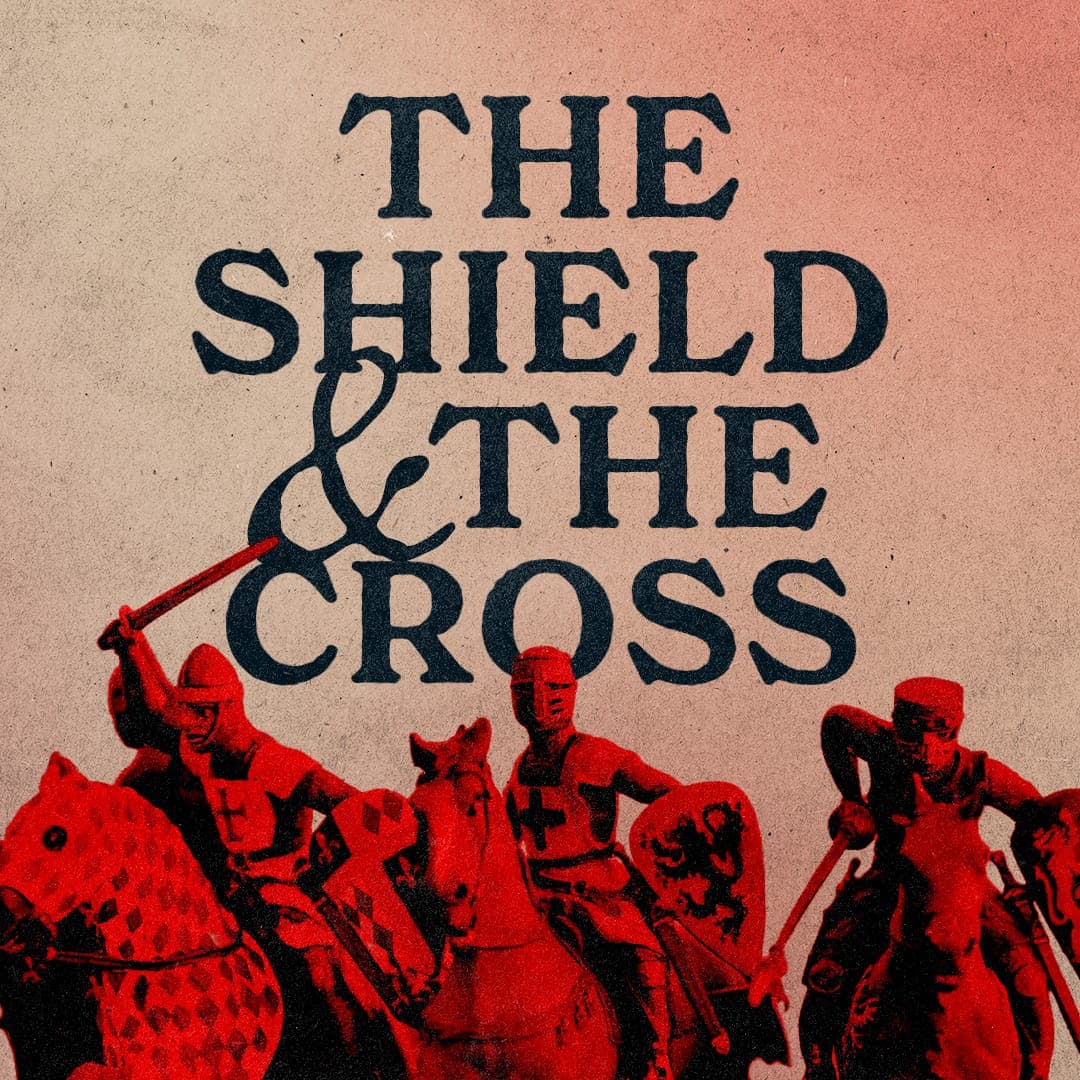
1239, Daroca, a fortified medieval town in northeastern Spain, once a crossroads of conflict and legend. On a dusty, tension-filled battlefield, it became the setting for one of the most extraordinary Eucharistic miracles in history, the miracle of the Sagrados Corporales, the Sacred Corporates, a mystery where faith and war collide. The year is 1239. Christian forces are preparing for a major battle against the Moors to reclaim the castle of Chiolucente in the region of Valencia. The cities of Daroca, Teruel, and Calatayud have formed an alliance to face the advancing Muslim armies.
Among their ranks are six captains, each from a different part of Spain, ready to lead their troops into combat. But before the battle begins, they make a special request to the chaplain, Don Mateo Martinez, to celebrate Mass. They want to receive communion, to be spiritually fortified.
And so, amidst the sound of horses' hooves and the clinking of swords, Don Mateo consecrates six hosts, one for each captain. But just as the sacred moment is about to unfold, everything changes. An unexpected enemy attack halts the ceremony.
Don Mateo, caught off guard, quickly wraps the consecrated hosts in the corporale, a sacred linen cloth, and hides them beneath a nearby stone. Mere moments later, the two armies clash in a violent and chaotic battle. Against all odds, the Christian army emerges victorious.
Following the victory, the six captains return to Don Mateo, asking to receive communion in thanksgiving. The chaplain returns to where he'd hidden the hosts, and what he finds is astonishing. The corporale is stained with blood. For the soldiers, there's no doubt.
This is a divine sign. They raise the blood-stained linen high on a lance, turning it into a banner of faith and protection, and march once more into battle. The result? Another resounding victory. The castle of Shio is reclaimed.
But the story doesn't end there. The six captains, each representing a different city, begin to argue who will have the honour of keeping the miraculous corporale. Every city wants to be the one to guard this holy relic. Finally, they agree to let divine will decide.
They place the corporale on the back of a mule and let it roam freely. The city where the mule would stop would become the sacred relic's permanent home. For 12 days, and nearly 200 miles, the mule walks tirelessly, until at last, it collapses in front of the church of St. Mark in Darroca, a church dedicated to St. Mary is built on the site, and the miraculous Corporale finds its final resting place.
To this day, the blood-stained Corporale is preserved and venerated in the Basilica of Santa Maria in Darroca. Every year, a solemn procession commemorates the miracle, while frescoes and relics in the chapels continue to tell the story of that extraordinary day.
What can we take away from this event? For some, it's tangible proof of divine protection. For others, it remains a powerful legend, blending history and faith. But one thing is certain. The miracle of Daroka left an indelible mark on history, a mark that continues to inspire both pilgrims and seekers.