Saint Lawrence
A young, third-century deacon entrusted with the purse of the Diocese of Rome goes toe-to-toe with a brutal Roman emperor.
Transcript
Read the full transcriptAuto-generated · 705 words
Imagine yourself in ancient Rome, in the sweltering summer of 258 A.D. The Roman Empire, under the Emperor Valerian, is in the throes of what historians call the crisis of the third century, marked by barbarian invasions, political instability, and economic turmoil.
Amid this chaos, Valerian identifies a new enemy to conquer, Christians, who are seen as a threat to the Empire's stability because they refuse to offer sacrifices to Roman gods and to worship the Emperor. These actions were perceived as acts of civil disobedience and betrayal. And this is where a young deacon named Lawrence steps onto the stage.
This young man wasn't just a figure of faith. He would soon become the protagonist of a story that would change history. So, who was Lawrence? Lawrence was a young Spaniard who had come to Rome to serve the Church. He was one of the seven deacons of Pope Sixtus II, a role of great responsibility.
Lawrence wasn't just some minor figure. He was tasked with managing the church's assets, caring for the poor, and overseeing the charitable activities of the Roman diocese. In short, he was someone who made a real difference in his community.
But there was a problem, a big one, as we've already said. Rome didn't look kindly upon Christians. In fact, Emperor Valerian had decided to get serious, launching a full-scale persecution campaign. He issued two edicts. The first, in 257 AD, required bishops, priests, and deacons to participate in sacrifices to Roman gods and banned Christian religious assemblies.
A second, in 258 AD, was even harsher. It called for the execution of church leaders, the confiscation of property owned by aristocratic Christians, and the imprisonment of clergy members. Pope Sixtus II was one of the first victims of this edict, and Lawrence knew that his own time was coming. After Sixtus II's condemnation, Lawrence was summoned by Emperor Valerian, who said to him, Lawrence, I know the church has plenty of treasures. I want you to bring them to me.
Hand over all the church's gold and silver. At this point, Lawrence could have done what others did, obey, but that wasn't his style. Instead, with a confident smile, he asked for a few days to gather the church's wealth.
And what did he do? He didn't collect gold and silver. No, no, Lawrence had a plan of his own. He took his time, not to collect material riches, but to distribute the church's assets to the poor. When the appointed day came, Lawrence didn't arrive with chests of coins. Instead, he showed up with the poor themselves. Picture the scene.
Lawrence, standing before the emperor with a crowd of poor people, crippled, widows, the destitute. Then, with incredible calm, he turns to Valerian and says, these are the true treasures of the church. Now, I don't know about you, but if I'd been there, I would have held my breath.
Defying an emperor so boldly wasn't exactly the wisest move, and indeed, Valerian didn't take it well. Furious, the emperor ordered Lawrence to be put to death, but not just any death. Valerian wanted to make an example of him, to show everyone what happens to those who dare challenge Roman authority. Lawrence was taken out in public.
...and placed on a red-hot gridiron. The fire beneath him began to burn, slowly. As the flames engulfed him, and the fire burned his flesh, Lawrence didn't scream or cry out. Instead, he turned to his executioners, and with defiance and irony, said, Turn me over. I'm done on this side.
Yeah, you heard that right. This young deacon, facing one of the most horrific deaths imaginable, cracked a joke. It was as if he was telling the emperor, you can burn me all you want, but you will never break my faith.
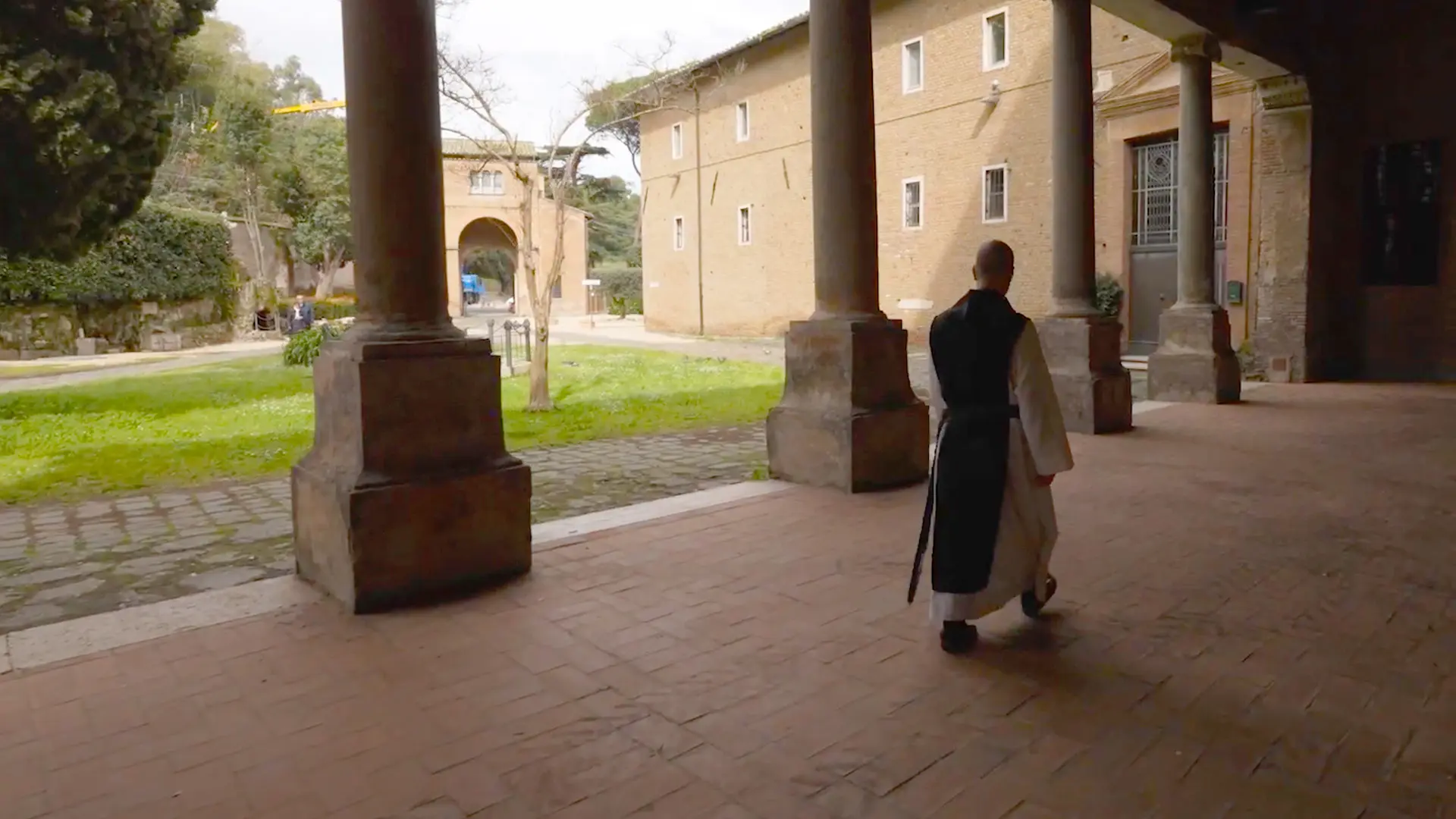
After his death, Lawrence's story spread rapidly. His tomb, located in the Basilica of St. Lawrence outside the walls in Rome, became a pilgrimage site. This is the story of St. Lawrence. The deacon who defied power with courage and wit. From his life, we can draw a lesson. In the face of injustice, we must respond with bravery, and maybe even with a little humor.