The Spanish Martyrs
The names of the people who died for their faith in the turmoil of 1930s Spain are too numerous to list in a few words, but their intense bravery and devotion is branded clearly on the pages of history.
Transcript
Read the full transcriptAuto-generated · 751 words
Today, we will immerse ourselves in one of the bloodiest and most complex chapters of 20th century history, the Spanish Civil War, and the martyrdom of thousands of men and women who, rather than renouncing their faith, paid with their lives.
It's 1936. Spain is a divided nation, wounded by internal conflicts that will soon explode into a devastating war. On one side is the Republican government, supported by progressive and socialist forces. On the other, the Nationalist Front, led by General Francisco Franco, determined to overthrow the government.
But among the main victims of this war is a group that carried no weapons, that wasn't directly involved in politics. They were priests, religious, and lay Catholics who became the target of the anti-clerical violence that erupted during those years. Men and women who were persecuted, tortured, and killed for one reason only, their faith.
But who were these martyrs, and why were they targeted with such hatred? The answer to this question takes us to the heart of the Spanish conflict, where the Catholic Church, seen by many as an ally of the rich and conservatives, became the symbol of an oppressive system that needed to be destroyed.
The Spanish Civil War was not only a military clash between two political factions, it was also an ideological and cultural war. Anarchist and communist movements in particular saw the church as an enemy to be defeated, and anti-clerical repression was brutal.
Within a few months, thousands of churches were burned, monasteries destroyed, and hundreds of priests and nuns killed in horrific ways. But let's rewind for a moment. Imagine being a priest or a nun in a small Spanish parish in 1936.
Political tensions are escalating, and your community is divided. You are there to offer spiritual comfort, to help those in need. But suddenly you find yourself at the center of a storm. Your faith is seen as a threat, your very presence as a symbol of repression.
One of these martyrs was Father Anselmo Polanco, Bishop of Teruel. Captured by the Republican forces, he refused to abandon his diocese and was imprisoned. Despite the torture, he continued to press his faith and comfort the other prisoners. In the end, he was executed without trial, like so many others.
The fate of these men and women was often marked by unimaginable cruelty. Sometimes they were taken from their homes, in the dead of night, with no formal charges. They were brought to isolated places, far from the eyes of the world, and there they were executed in cold blood. At other times, their martyrdom was public, a spectacle of terror meant to frighten the faithful and discourage them from following their example.
But do you know what's extraordinary? It's that many of these martyrs face death with a serenity that's truly awe-inspiring. The Spanish Civil War is one of the most painful chapters in the recent history of the Church, but despite the violence, terror, and destruction, the Spanish martyrs did not give in.
They preferred death over betrayal, and this leaves us with a question. What can make a person sacrifice everything for their faith? The answer, perhaps, lies in faith and courage, a faith that defies fear, that goes beyond life itself. And those martyrs, through their example, have become witnesses to a truth that even war and hatred cannot destroy. But the story of the martyrs of the Spanish Civil War doesn't end in 1939, with the victory of the nationalists.
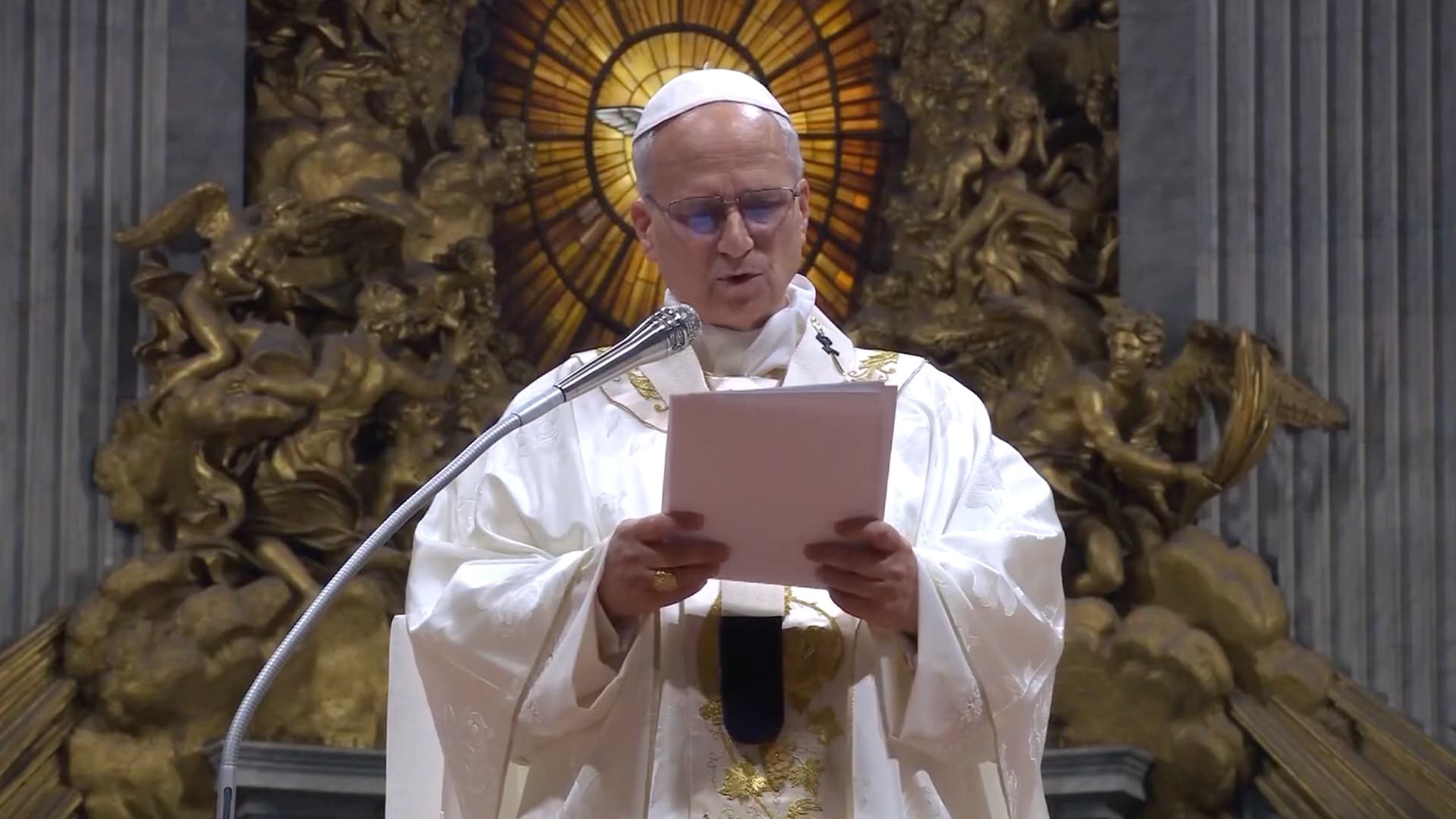
In 2007, the Catholic Church proclaimed 498 Spanish martyrs as saints, one of the largest beatification ceremonies in history. Among them were priests, nuns, laypeople, young and old, all united by one thing, their unwavering faith. The ceremony took place in Rome, in St. Peter's Square, and attracted thousands of faithful from all over the world. Eager to pay tribute to those in an era of terror, war, witness to their faith with their lives.
And do you know what's truly impressive? Today, many of these martyrs are venerated not only as symbols of religious resistance, but also of forgiveness. Their stories are told not with a spirit of vengeance, but as examples of reconciliation and love for their enemies, for many of them, before dying. Today, the martyrs of the Spanish Civil War stand as a beacon for anyone fighting for justice, truth, and religious freedom. Their stories remind us that even in the darkest moments, the light of faith can shine brighter than ever.