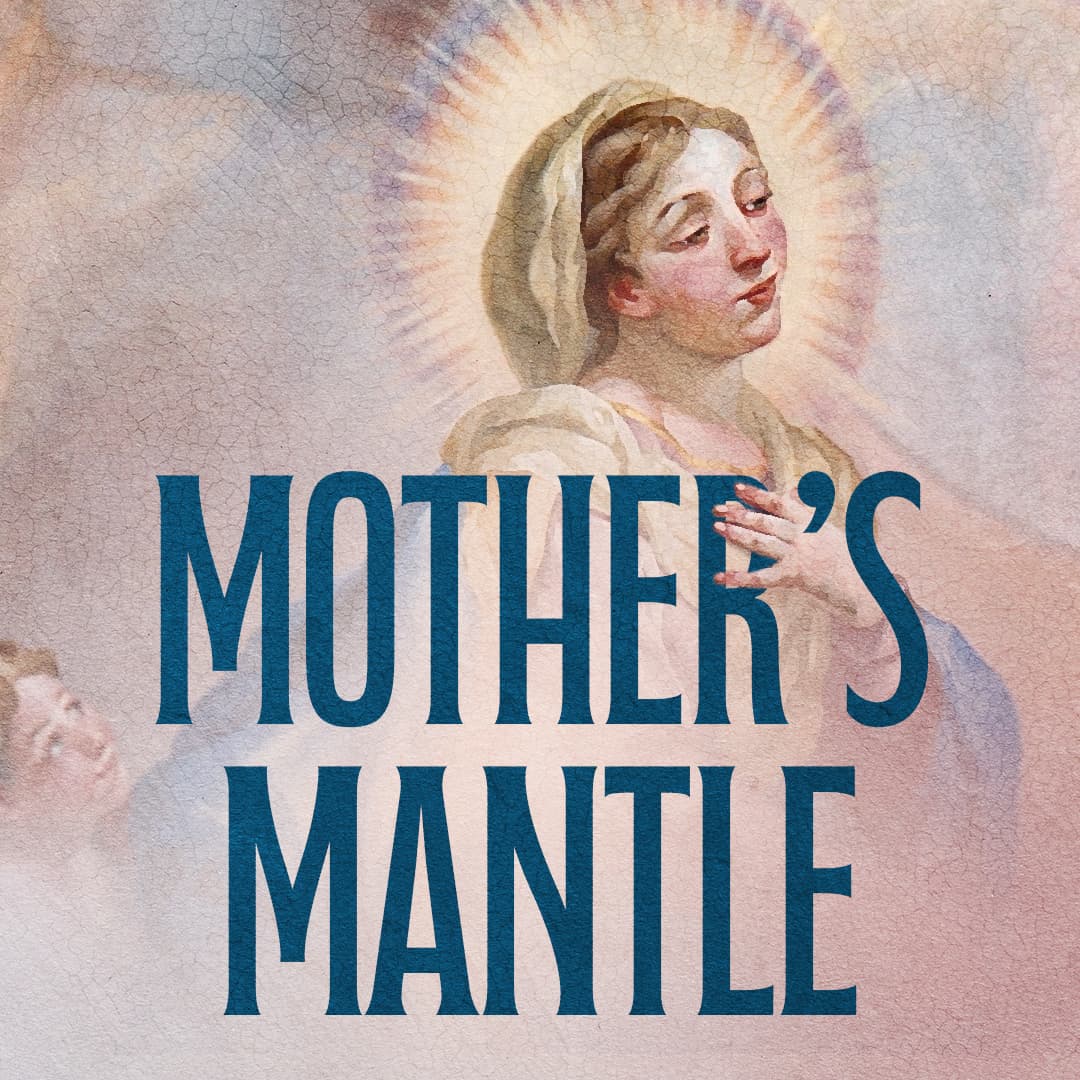
At the historical intersection of Christianity and violent Aztec culture stood a peaceful peasant named Juan Diego and Mary, the Mother of God, who chose to present herself as a “morenita”—a local woman, a true and present mother to people in great need of hope.
Transcript
Read the full transcriptAuto-generated · 405 words
In the 16th century, the encounter between the Spanish and the powerful Aztec Empire marked an epical clash of two worlds. The missionaries who arrived in the Americas found themselves facing a complex civilization and a spirituality that, to appease its deities, demanded continuous human sacrifices. In such a harsh and dramatic social context, evangelization sought to carve out a space to propose a radically different message, the proclamation of a God who does not demand the blood of his children, but who gives himself out of love.
It is in this moment of profound transformation and cultural tension that the figure of a humble indigenous convert to Christianity, Juan Diego, emerges. On the morning of Saturday, December 9th, 1531, Juan Diego was crossing Tepeyac Hill, north of Mexico City, where a pagan temple dedicated to the serpent god once stood. Suddenly, he was drawn by the singing of birds and the gentle vision of a woman, who called him by name.
The lady stated that she was the perfect and ever-Virgin Mary, the mother of the true and only God. She instructed him to go to the bishop and request the construction of a temple. There, Mary desired to offer compassion and protection as a merciful mother to the inhabitants of that land. The bishop, in disbelief, demanded a sign. The proof arrived on December 12th. To his immense wonder, in the dead of winter and on a desolate, rocky terrain, Juan Diego found beautiful Castilian roses.
He gathered them in his cloak and brought them to the bishop. As he opened his tilma, the incredible happened. Instantly, the image of the virgin appeared on the fabric. The bishop fell to his knees. Even today, scientific analyses conducted on the image raise questions. The fabric does not appear to contain any known paint pigments, and the scene of that very encounter is reflected in the pupils of the figure.
But beyond the mystery surrounding the relic, it is the visual message that is truly revolutionary. The virgin chose to present herself as a morenita, a mestiza woman, wearing elements typical of the local culture. Through these symbols, Our Lady did not present herself as a foreign or distant figure, but took on the features and culture of the local population. She revealed herself as a close and present mother, capable of sharing the history of an oppressed people and restoring their dignity and hope.