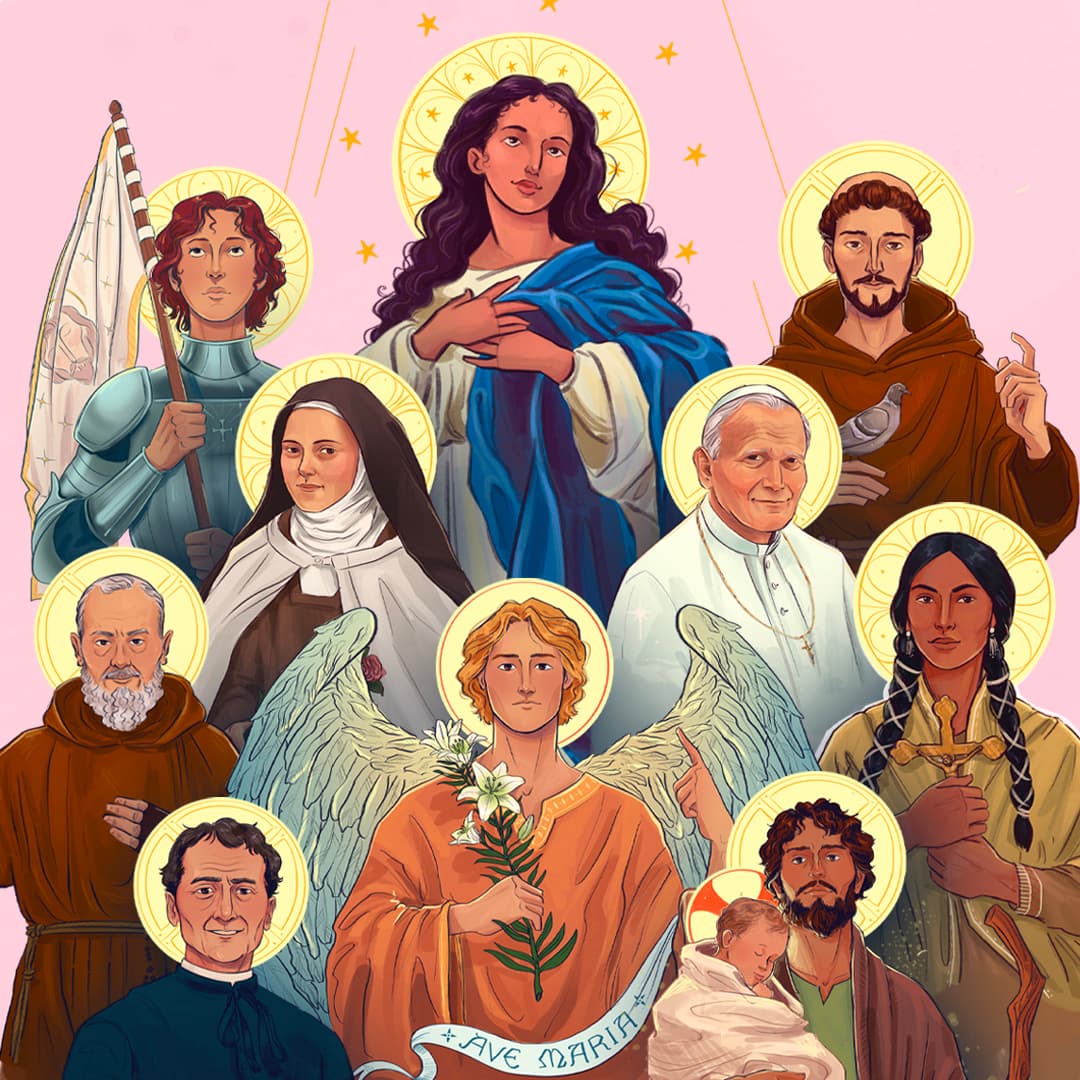
August 3 | Saint Lydia of Philippi
In this episode, we’ll explore the extraordinary life of Saint Lydia of Philippi.
Transcript
Read the full transcriptAuto-generated · 810 words
Welcome, young history buffs and curious minds, to My Daily Saint, the podcast that digs deep into the incredible lives of the saints, those remarkable people who shaped history and continue to inspire us today. Forget dusty old portraits and boring stories. Today, we are traveling back in time to the very first century.
Close your eyes and picture the ancient Roman Empire. You are probably imagining fierce emperors, powerful gladiators, or massive armies marching across the world. Instead, picture the most exclusive, expensive, and luxurious thing you can possibly imagine. In the ancient world, that wasn't a fast sports car or the newest smartphone. It was a color. The color purple. It was so rare and so expensive that it was associated almost entirely with supreme wealth and authority, often worn only by high-ranking officials and the elite.
Now, imagine a person who commands the trade of this incredibly precious material. She is a powerhouse, a wealthy, financially independent businesswoman holding a highly respected social position in a male-dominated ancient world. She is not a soldier, she's not an emperor, but she is about to make history by becoming the very first recorded Christian convert in all of Europe. Her name? Is Saint Lydia of Philippi?
Her story starts in a place called Fayatira, located in Asia Minor, which is modern-day Turkey. This city was famous across the ancient world for its textile trade, and specifically for producing an ultra-luxurious purple dye and the beautiful fabrics that went with it. Lydia was born here in the first century, but she didn't just stay in her hometown. She was an ambitious laywoman and a great woman. She was a great woman, and she was a great woman. She was a great woman.
And an incredibly successful merchant. Eventually, she packed up her business and moved to a major Roman colony in Macedonia called Philippi. Even though Lydia was Greek-speaking and a Gentile by birth, meaning she wasn't Jewish, she was deeply searching for the truth.
She is described in the ancient texts of the Acts of the Apostles as a worshipper of God. This means she was drawn to the Jewish faith and their belief in one true God, rather than the hundreds of pagan Roman gods worshipped by most people around her. She had all the money, the beautiful purple fabrics, and the respect of her city, but her heart was looking for something more meaningful.
The turning point of her life, and honestly, a major turning point for all of Western history, happened on a quiet Sabbath day. Lydia and a group of women had gathered together for a time of prayer just outside the city gate of Philippi, down by the local river.
Suddenly, a traveler arrives. It's the Apostle Paul, right in the middle of his famous missionary journeys. Paul sits down and starts speaking to the women gathered by the water. And as he speaks about the gospel, something amazing happens. The ancient text records that the Lord opened her heart to respond to Paul's message. Just like that, this wealthy, influential merchant of Purple Cloth believed. Lydia didn't just casually agree and go back to her business. Her response was instant and incredibly generous. She and everyone in her household were baptized right then and there.
This bold move makes Lydia the very first recorded Christian convert on the entire continent of Europe. Right after her baptism, Lydia basically looks at Paul and his traveling companions and says, come and stay at my house. Her massive home quickly transformed. It became the very first Christian house church in Philippi, becoming the base of operations for the growth of Christianity in the entire region.
Think about that. The spread of the early church into the Greco-Roman world didn't start in a massive cathedral. It started in the living room of an independent businesswoman. Her story powerfully illustrates the... critically important role of women in the earliest Christian communities.
Not surprisingly, St. Lydia is the patron saint of businesswomen, merchants, and converts to Christianity. She is a biblical saint who has been venerated since apostolic times, and in art, she is often depicted holding the tools of her amazing life—purple cloth, a basket of textiles, or a scroll.
This week, practice Lydia's radical hospitality in your own life. You don't need a giant mansion or expensive purple cloth. Hospitality for you might mean welcoming a new family to the neighborhood, school, or church, or just making your friends feel totally at home when they come over to hang out. Look for ways to make others feel welcome, and let the Lord open your heart to others, just like he opened Lydia's heart. Thank you for joining us on My Daily Saint. We look forward to sharing another incredible story of faith and courage with you tomorrow.
More from My Daily Saint

Listen Next



You Might Also Like
Magnifica Humanitas: An Inside Look
An American Pope
A Blessing for America on the 250th Anniversary of Independence
The Virtue of Patriotism

Confirmed: Obamacare Plans Cover Abortion
The Morning LOOPcast

AI Execs Do 180: Beg for Regulation, Viral Texas Indians Pic, And CatholicVote Political Director On Ground Game
LOOPcast