Join us for a story of faith and courage in America on this episode of the American Catholic Daily Reader podcast.
Transcript
Read the full transcriptAuto-generated · 434 words
Welcome to the American Catholic Daily Reader podcast. Today is October 27th, and our story is The Radio Priest. Father Charles Coughlin had the best of intentions when he began his radio broadcasts in 1926. That year, the Ku Klux Klan came to Royal Oak, Michigan, where Coughlin served as pastor of the newly built Shrine of the Little Flower Church. The Klan burned a cross on the parish grounds, and the priest took to the airwaves to condemn the act.
Coughlin's broadcasts were an immediate hit, and within four years, CBS picked up his show. Around the same time, the focus of the show began shifting from faith to politics, with Coughlin denouncing communism and championing Franklin D. Roosevelt's New Deal. The New Deal is Christ's deal, he proclaimed. By 1935, however, Coughlin's support of Roosevelt turned to condemnation. Roosevelt wasn't doing enough to please the radio priest, as America called him, nor was he doing it fast enough. The following year, Coughlin gave his full support to the National Union for Social Justice, which he helped create, and called for the nationalization of major industries, the redistribution of wealth, and limitations on private Property rights.
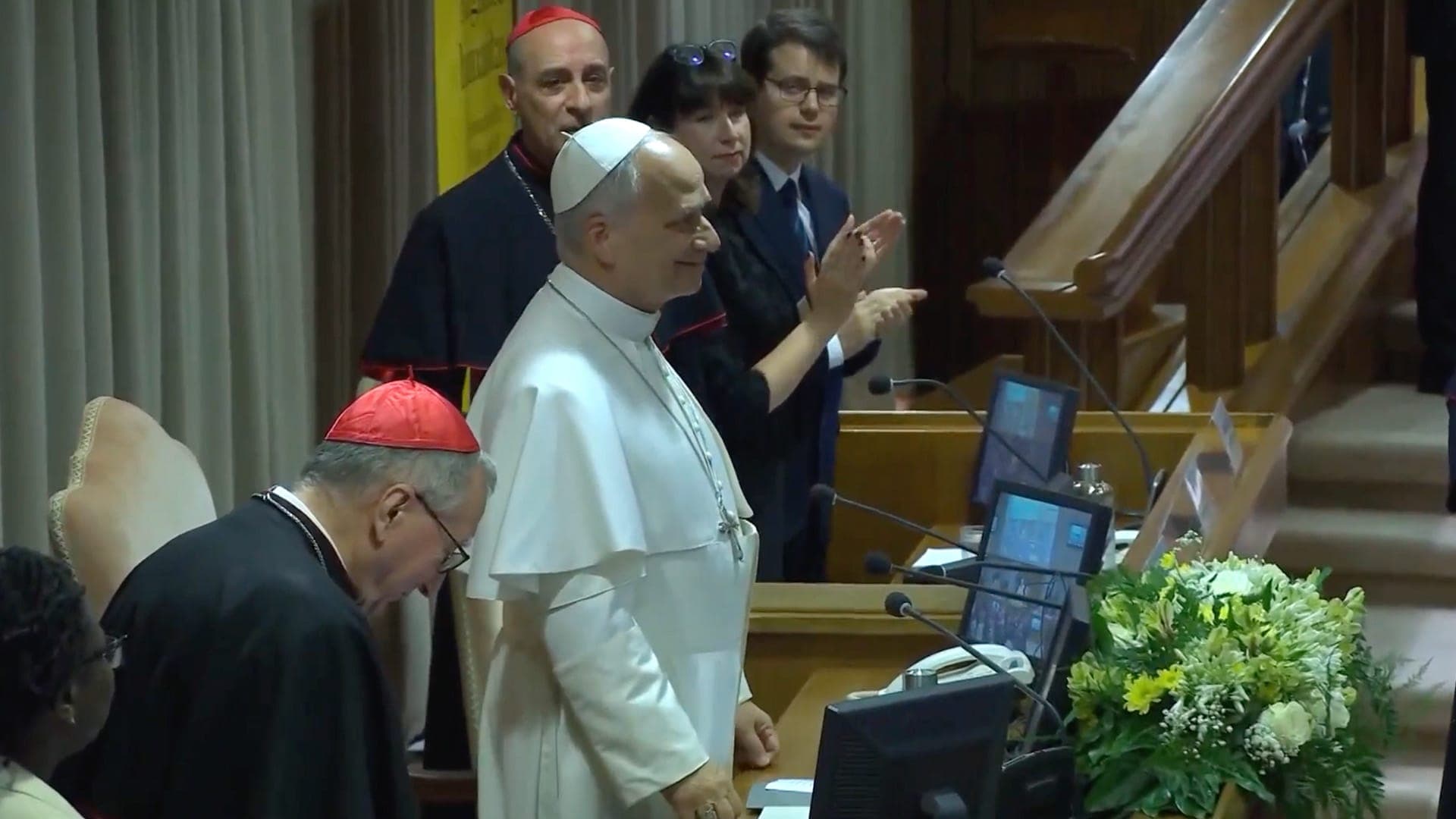
With more than 40 million Catholics tuning in weekly to hear Coughlin's broadcasts, Roosevelt feared for his re-election prospects. A well-timed visit from Archbishop Eugenio Cardinal Pacelli, the future Pope Pius XII, neutralized that problem, and Coughlin fell silent, but only for a short while. When Coughlin returned to the air in 1937, anti-Semitism colored his broadcasts. Praise for Italy and Germany's fascist governments soon followed. The Vatican wanted him silenced. So, too, did the Roosevelt administration. But the only person who could make that happen was Coughlin's bishop, Michael Gallagher, and he refused to take action.
Finally, the approach of World War II led the Roosevelt administration to drastically curtail broadcast freedoms, which made it possible for them to force Coughlin off the air. Detroit's new bishop, Edward Mooney, helped matters along by forbidding Coughlin from engaging in political activity.
Coughlin obeyed and quietly pastored the Shrine of the Little Flower Church until 1966. He died 13 years later on October 27, 1979. Coughlin's life reminds us that influence carries weighty responsibility. His story encourages discernment, humility, and a focus on eternal values over fleeting power.
Reflect on your own influence in your community. How can you use it to uplift rather than mislead? Take one conscious step toward that today. Thank you for listening to the American Catholic Daily Reader podcast. Join us tomorrow, October 28th, for another story of faith and courage in America.