DOJ announces new slate of fraud indictments just after Trump taps Blanche to be AG
President Donald Trump announced June 3 he is nominating Acting Attorney General Todd Blanche, his former personal defense attorney, to serve permanently in the role. The following morning, the Department of Justice (DOJ) unveiled a large slate of new fraud prosecutions as part the administration’s broader crackdown on waste and theft of taxpayer dollars in federal programs.

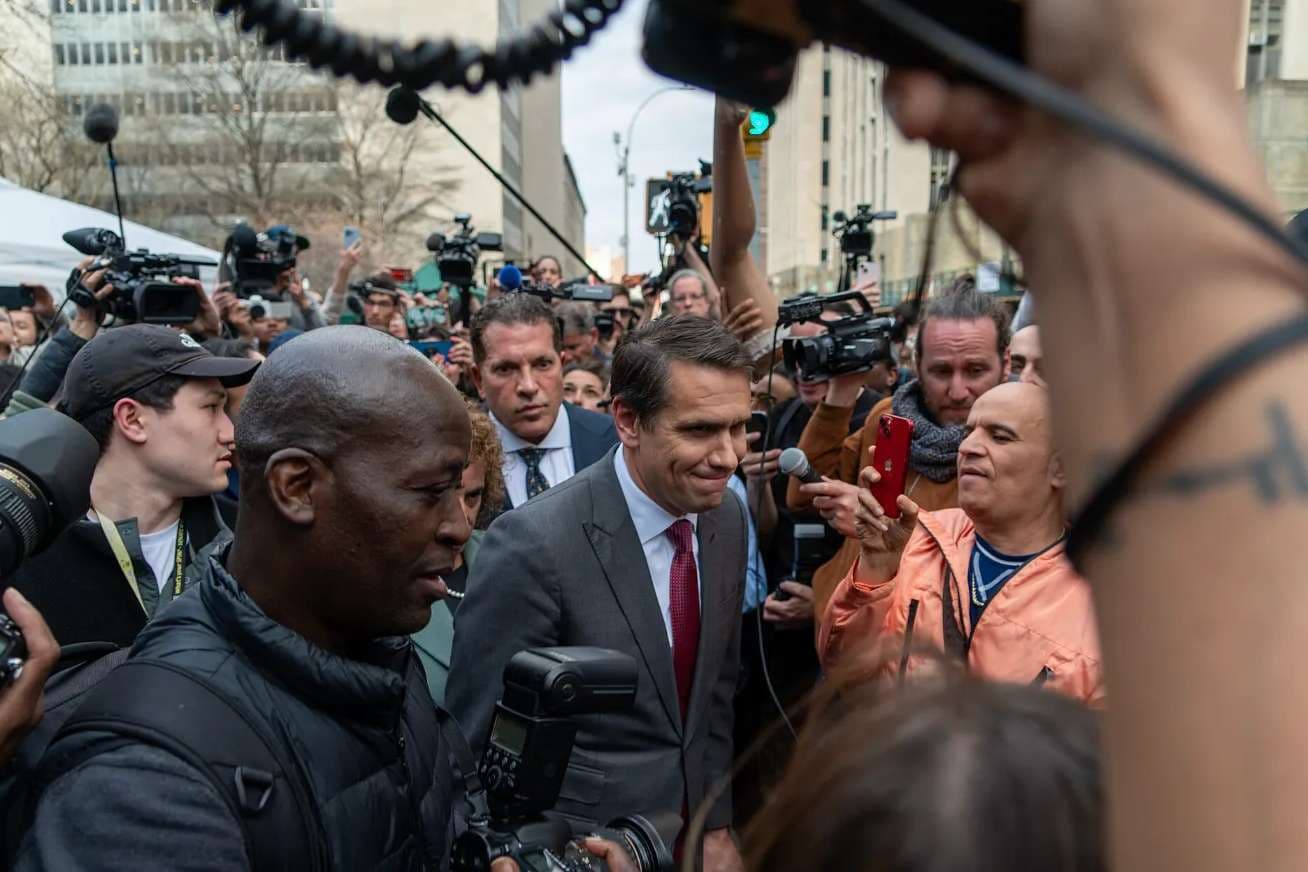
President Donald Trump announced June 3 he is nominating Acting Attorney General Todd Blanche, his former personal defense attorney, to serve permanently in the role. The following morning, the Department of Justice (DOJ) unveiled a large slate of new fraud prosecutions as part the administration’s broader crackdown on waste and theft of taxpayer dollars in federal programs.
Trump announced the planned nomination during a White House event, praising Blanche's leadership at the DOJ and signaling that formal paperwork would be sent to the Senate in the coming days.
Blanche has served as acting attorney general since April after the departure of former Attorney General Pam Bondi. Before that, he served as deputy attorney general and defended Trump in a high-profile New York case.
>> Trump fires Pam Bondi as US attorney general <<
The nomination is expected to face scrutiny in the Senate, where Democrats have questioned Blanche’s independence and accused Trump of rewarding him for personal loyalty. Some Republicans have also expressed concerns about the nomination, though Trump allies have argued Blanche has demonstrated a commitment to tackling government fraud and public corruption cases.
If confirmed, Blanche would take permanent control of a DOJ that has become a central part of Trump's agenda, particularly through efforts targeting fraud in federal programs, illegal immigration, and public corruption.
Fraud crackdown expands
Just after the announcement of his nomination, Blanche on June 4 revealed charges against nine defendants in Ohio accused of participating in schemes involving behavioral health programs, government benefits, and consumer fraud that allegedly caused more than $42 million in losses. Authorities also announced the detention of three individuals connected to a separate alleged fraud scheme involving approximately $15 million. Two additional suspects remain overseas and are awaiting extradition proceedings, according to the DOJ.
The cases were unveiled as part of a federal-state partnership that administration officials said is intended to accelerate investigations into healthcare fraud, pandemic-relief fraud, and other crimes involving government funds.
“This is an example when federal and state partners work together toward justice — our cases are stronger, the deterrence is greater,” Blanche said.
The DOJ also announced the launch of an FBI "Most Wanted Fraudsters" list targeting fugitives accused of major fraud schemes. Officials said the list includes suspects linked to cases involving hundreds of millions of dollars in alleged losses, including a Medicare brace fraud investigation.
Investigators have seized luxury vehicles and other assets connected to several cases, according to federal officials.
Administration emphasizes fraud enforcement
The enforcement actions are part of a broader anti-fraud initiative launched under the Trump administration, including the creation of a National Fraud Enforcement Division earlier this year.
DOJ officials said the effort includes expanded data-sharing agreements among federal agencies, coordination with state prosecutors, a centralized "fraud war room," and actions by the Centers for Medicare and Medicaid Services to suspend providers suspected of fraudulent activity.
The administration has pointed to Hawaii as an example of insufficient fraud enforcement. Federal officials recently withdrew roughly $3 million in annual funding from Hawaii's Medicaid Fraud Control Unit after concluding it had failed to secure criminal indictments or convictions in recent years.
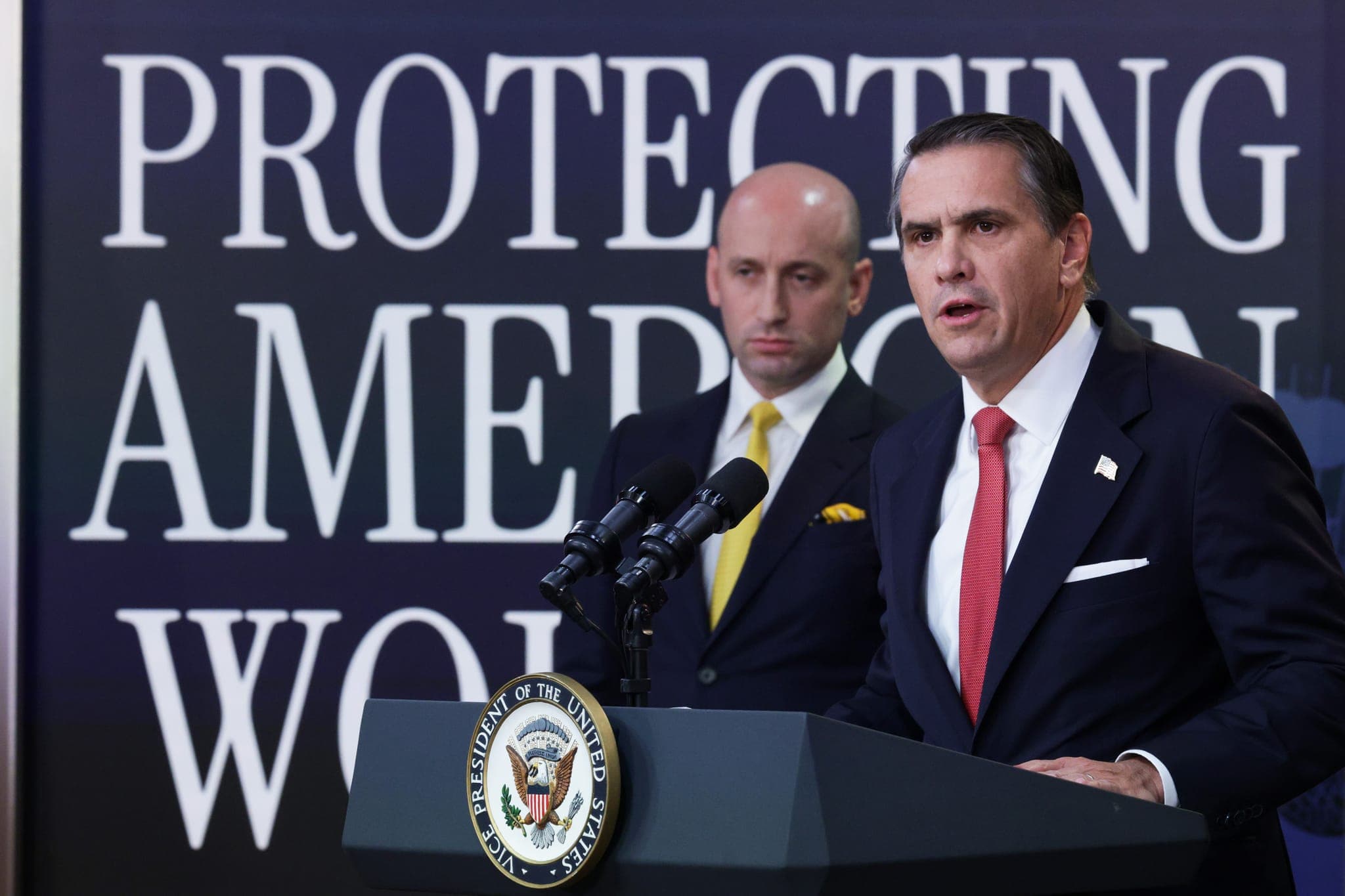
Vice President JD Vance, who chairs the Trump-created White House Task Force to Eliminate Fraud, criticized the unit's performance, calling it "a complete disgrace" and arguing that states receiving federal anti-fraud funding should produce criminal prosecutions.






Comments