DOJ: EEOC workplace rules violate law by pressuring employers into race-based hiring
Federal workplace discrimination guidelines on “disparate impact” violate the Constitution by pushing employers to make race-based hiring decisions, the Department of Justice (DOJ) said in a June 9 opinion that officials said will allow businesses to rely more heavily on merit-based employment standards.

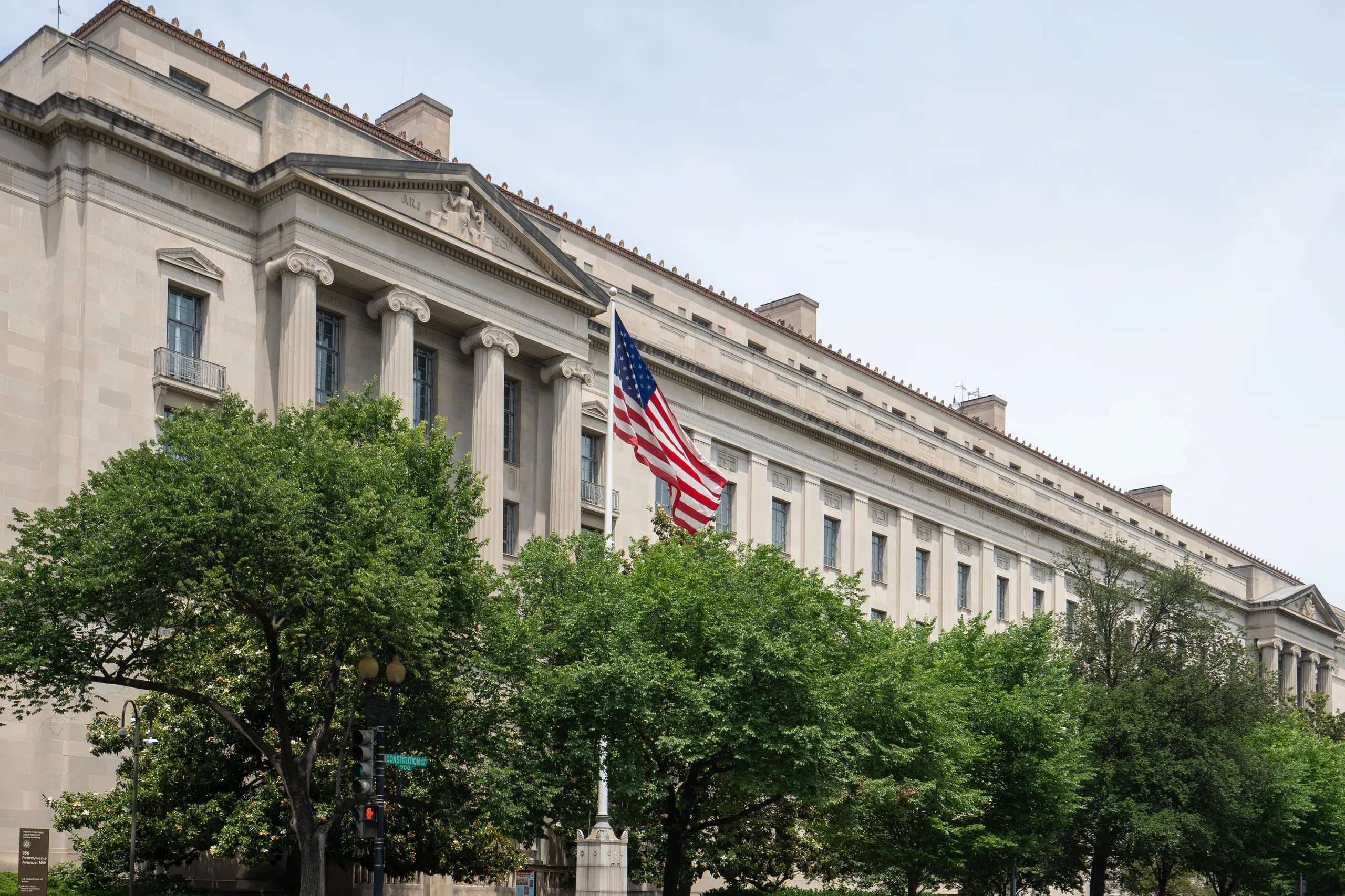
Federal workplace discrimination guidelines on “disparate impact” violate the Constitution by pushing employers to make race-based hiring decisions, the Department of Justice (DOJ) said in a June 9 opinion that officials said will allow businesses to rely more heavily on merit-based employment standards.
The opinion, issued by the DOJ’s Office of Legal Counsel, targets the Equal Employment Opportunity Commission’s (EEOC) approach to “disparate impact” liability under Title VII of the Civil Rights Act of 1964. Disparate impact claims allow employees or job applicants to challenge hiring policies that appear neutral — such as skills tests, background checks, or education requirements — if they lead to unequal outcomes among racial or other protected groups, even without evidence that an employer meant to discriminate.
According to the DOJ, the EEOC’s approach can pressure employers to consider race when making hiring or promoting decisions in order to avoid lawsuits.
“The fundamental problem is that disparate-impact liability tends to incent — and even coerce — employers to make race-based decisions to avoid liability or the threat of liability,” the opinion stated.
Acting Attorney General Todd Blanche, whom President Donald Trump formally nominated June 3 to serve as attorney general, said in a DOJ press release that the opinion will “allow businesses to hire based on performance” and restore “equal opportunities in the American workplace.”
“Despite trying to promote equality,” Blanche said, “EEOC’s disparate impact liability interpretation under Title VII actually fosters the very discrimination its guidelines seek to address.”
The opinion does not have the same force as a court ruling, but it signals a major shift in how the federal government may handle workplace discrimination claims.
In its release, the DOJ said employers can now rely on aptitude tests and other job-related hiring or promotion standards without facing discrimination claims based only on different outcomes among demographic groups. To defend those practices, the department said, employers “only need to show that the practice is reasonable, useful, or helps serve a valid business purpose.”
The opinion could also make it harder for employees to win “disparate impact” claims before the EEOC if they cannot show intentional discrimination. Under the DOJ’s reading, employees would have to show that a specific hiring practice directly caused the unequal outcome and point to another approach that would work just as well while producing less disparity.
EEOC Chair Andrea Lucas praised the DOJ’s opinion, saying it will “provide clarity regarding the Constitutional limits of disparate impact in employment discrimination matters."






Comments