Supreme Court set to rule on 2 cases that could reshape women’s sports nationwide
The Supreme Court is expected to rule by late June or early July in two women’s sports cases about whether states can bar men athletes from competing against women.

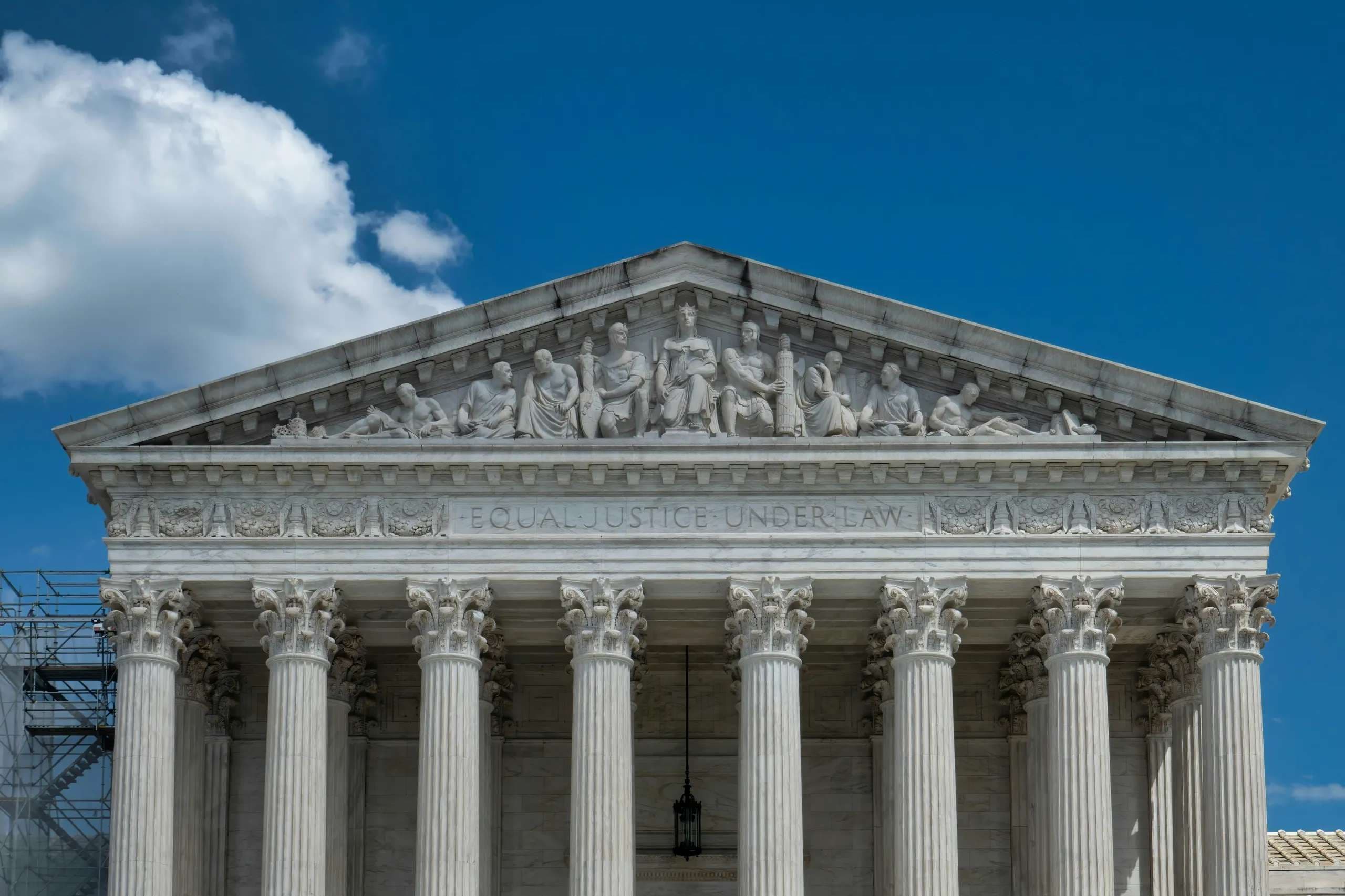
The U.S. Supreme Court is expected to issue decisions by late June or early July in two major women’s sports cases that could determine whether dozens of states may enforce laws that bar male athletes from competing against women and girls.
Both Little v. Hecox (Idaho) and West Virginia v. B.P.J. ask whether such laws violate the Equal Protection Clause, and the West Virginia case also questions the application of Title IX. The court heard oral arguments in January on the set. As Zeale News previously reported, several justices said during the hearing that biological differences between men and women can affect competition, and reports released at the time suggested the court appeared likely to side with the states.
The Idaho case began in 2020 after the state enacted its Fairness in Women’s Sports Act, which bars men from competing on women’s sports teams in public schools and colleges. The law prevented Lindsay Hecox, a male student from Boise State University who identifies as “transgender,” from trying out for the women’s track and cross-country teams.
After the Supreme Court agreed to hear the case, Hecox sought to dismiss the lawsuit, saying he no longer wanted to participate in women’s sports teams, but a federal district court denied his request, as Zeale News previously reported.
Courts have blocked Idaho from enforcing the law since August 2020, shortly after it passed. A federal district court issued a preliminary injunction against the law, and the Ninth Circuit largely upheld that ruling, according to Alliance Defending Freedom (ADF), which is representing Idaho officials and female athlete intervenors in the case.
The West Virginia case stems from the state’s 2021 Save Women’s Sports Act, which bars men from girls’ sports. Heather Jackson sued on behalf of B.P.J., her 15-year-old son who identifies as female and wanted to compete on girls’ teams.
West Virginia has also been unable to fully enforce its law amid the legal battle. According to ADF — which has worked with state officials in defending the law — a federal court temporarily blocked the law in 2021, allowing B.P.J. to compete on women’s teams. A district court later upheld the law, but the Fourth Circuit reinstated an injunction preventing the state from enforcing the law against B.P.J.
ADF President, CEO, and Chief Counsel Kristen Waggoner said in a May 27 social media post that B.P.J. recently won West Virginia’s girls’ state title in shot put, a result she said underscored the stakes of the case.
At least 27 states have enacted laws restricting men from competing in women’s and girls’ sports, according to an ADF list. Those states include Alabama, Arizona, Arkansas, Florida, Georgia, Idaho, Indiana, Iowa, Kansas, Kentucky, Louisiana, Mississippi, Missouri, Montana, Nebraska, New Hampshire, North Carolina, North Dakota, Ohio, Oklahoma, South Carolina, South Dakota, Tennessee, Texas, Utah, West Virginia, and Wyoming.
ADF attorney John Bursch, who has worked on the cases, told Zeale News in a May 1 interview that the cases are an “opportunity for us to push back against this false notion of gender ideology.”
“Everyone needs to accept the reality that we were created as embodied souls,” Bursch, a Catholic, said. “As Pope John Paul II explained in his Theology of the Body, the body actually expresses the soul.”




Comments