Why right now is a great time to read ‘American Pontiff’ by Paul Kengor
As the year of our nation’s 250th anniversary enters its final quarter, a closer look at one of its most prominent figures through this biography of Pope Leo XIV provides a rich opportunity to reflect on what it means to be Catholic in America today.

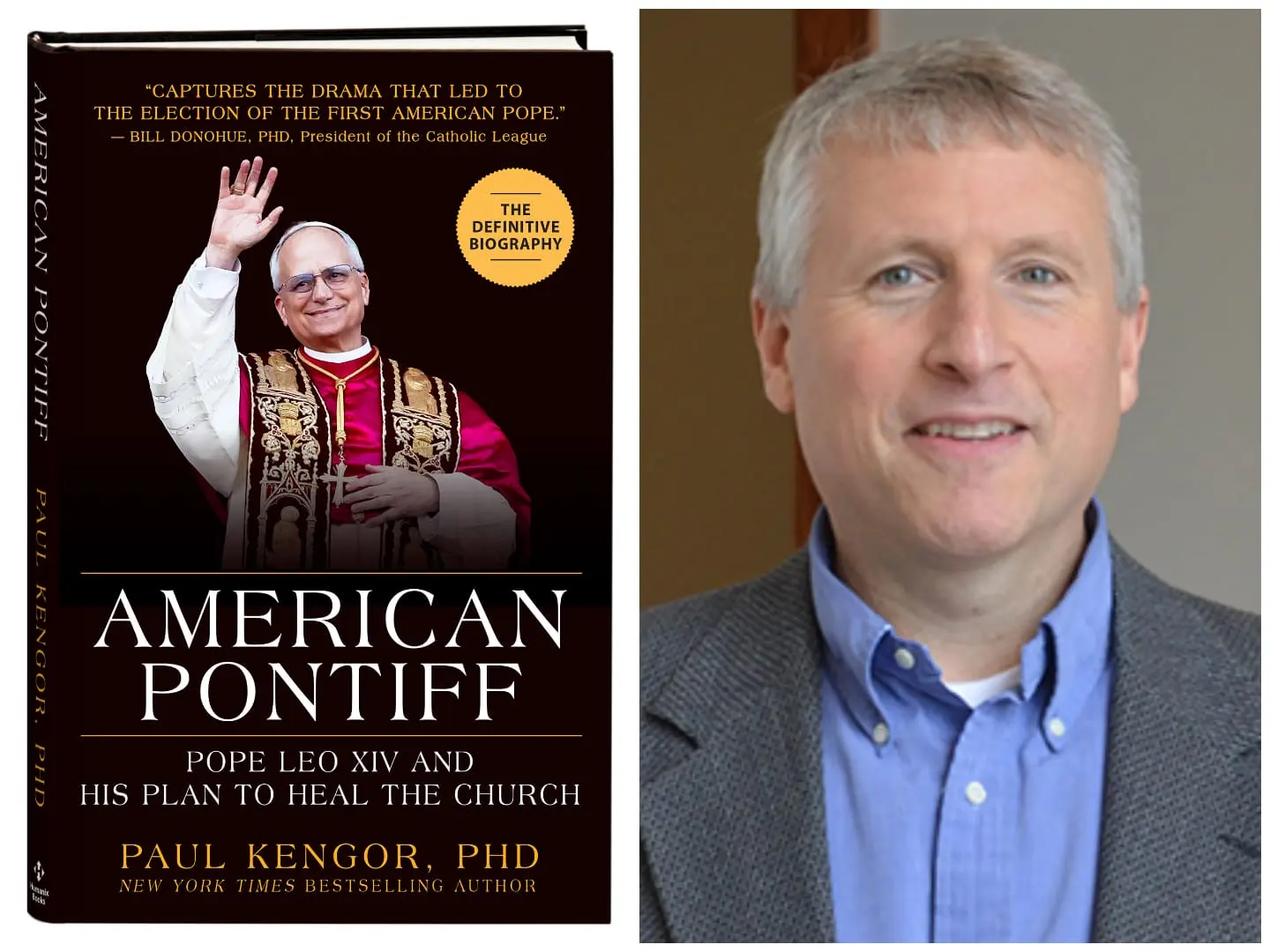
Paul Kengor has a gift for making history read like a riveting novel — that was certainly the case with his 2017 tome, A Pope and a President, which covered the world-changing friendship of Pope John Paul II and Ronald Reagan. The best-selling author and academic’s latest book, American Pontiff: Pope Leo and His Plan to Heal the Church (2026) is no exception. It captures the drama of the U.S.-born Pope’s election to the chair of Peter in a way that informs and resonates even with those who weren’t in Rome for this historic moment and even with those outside the U.S.
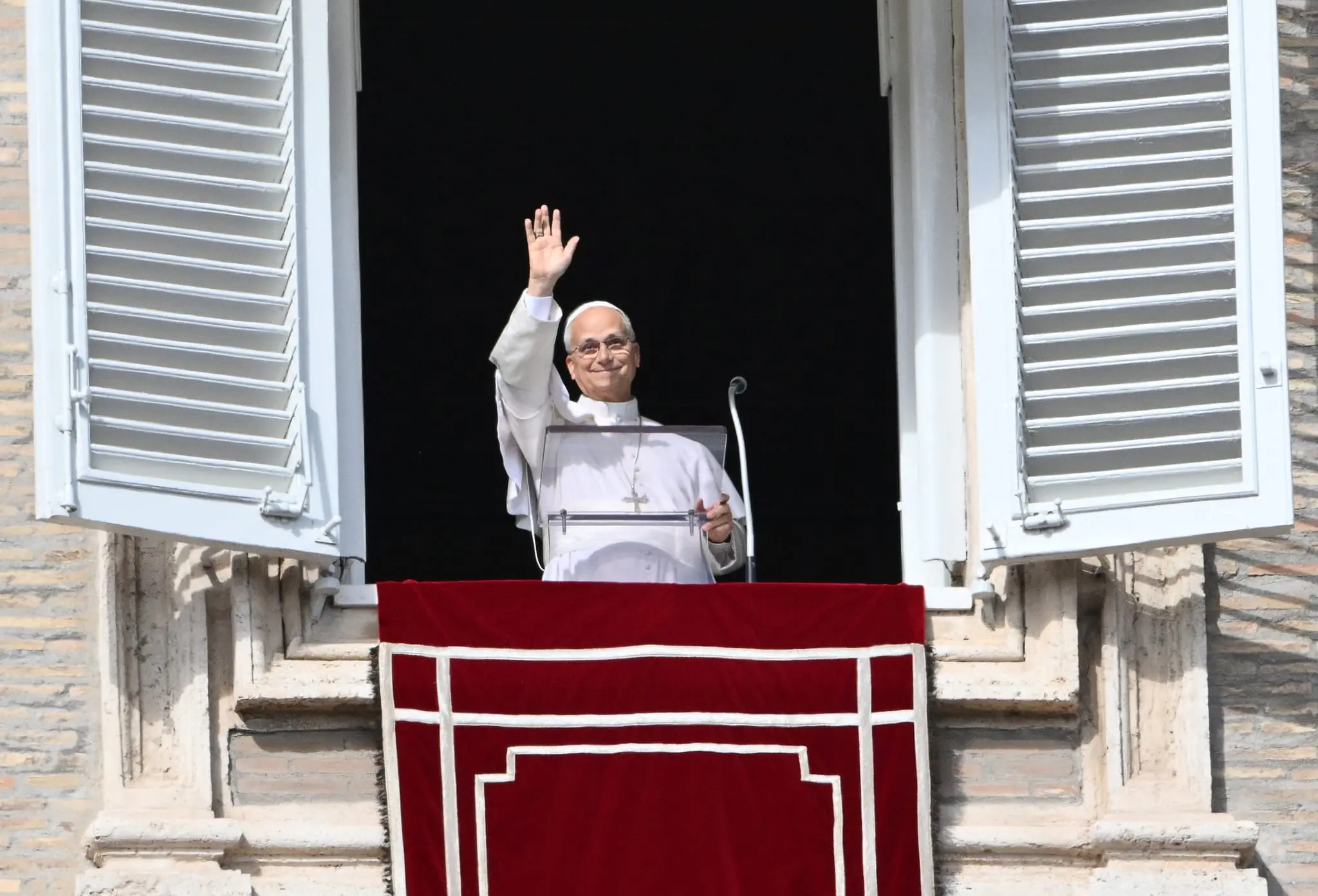
The election of Pope Leo on May 8, 2025, was one of those rare international events that brought hope to people across the globe and even across political persuasions as Kengor illustrates in the book. The historic nature of this moment rose to a level that inspires the question: Where were you when the cardinals elected the first American pontiff? The wonder elicited from that moment creates the ethos that’s threaded throughout this biography of then-Cardinal Robert Prevost, the Illinois native who became Pope Leo XIV, the 266th successor of Peter.
Even though most in the U.S. hadn’t heard of him, we had a familiarity with the new pontiff. He’s from a town just outside Chicago. His native tongue is English with an American accent when so many popes before him were Italian and more recently Polish, German, and Argentinean. What is perhaps most fascinating is Kengor’s account of how then-Cardinal Prevost rose so quickly and quietly to the top of the ballot, securing more than 100 of 133 votes.
American Pontiff was published in March by Humanix Books, and now is a great time to read it as Pope Leo has since addressed the fascination with his U.S. origins. He offered his thoughts on the matter in a July 29 NBC interview, as Zeale News previously reported.
“Well, first of all just to clarify, I think of myself more as the Pope who happens to be American,” Pope Leo told NBC’s Tom Llamas in a lighthearted tone. “Not to belittle what it means to be American; I was born in the United States, my family is still in the United States.”
“I have great love for America,” he continued, “but I understand my mission as having a very important dimension, which is precisely being pastor of a Universal Church and having a voice and an opportunity to speak to people throughout the world.”
“So I will put things in that order,” Pope Leo said, “and yet at the same time, I will acknowledge that for myself, as well as for the people of the United States — judging by the response that we've seen since May 8th of last year — that there is great significance in being the first American pope.”
The interview followed the nation’s 250th birthday earlier that month in which the Pontiff clearly demonstrated his patriotism. On July 4 he visited the residence of the U.S. Ambassador to the Holy See Brian Burch, where he enjoyed a festive meal, signed baseballs, and enjoyed conversation with the Burch family.
At the same time, Kengor’s book clearly demonstrates Pope Leo’s appeal across borders and honors the primacy of his universal role in the Church while not diminishing the excitement around his U.S. roots. The book dives into Pope Leo’s culturally diverse family history and his Augustinian spiritual, educational, and missionary background to show how these qualities uniquely position him to bring unity and healing to the Church.
Kengor ensures the book has worldwide appeal through an examination of the Pope’s years spent as a missionary and bishop in Peru, the significance of his choosing the name Leo, and his gift for languages, including English, Spanish, Italian, Portuguese, French, German, and Latin.
In the first pages of the book, which share the excitement of Pope Leo’s election, readers may recall where they were when they learned the news — surely a story to pass on to future generations of Catholics.
I immediately recalled chaperoning my son’s field trip that day at St. Joseph’s College Seminary in Mount Holly, North Carolina. I’ll never forget hearing the seminary bells alerting us that we had a pope as it happened much faster than expected and my reaction when I heard Cardinal Robert Prevost’s name proclaimed from the loggia. I had been studying the members of the College of Cardinals and thought to myself, “It’s the American. The one I just learned about!”
It was truly special to share this unforgettable moment with my son, his schoolmates, teachers, fellow Catholic moms, and the well-loved priests, religious sisters, and seminarians present that day — and to travel there and back again in a bus providentially emblazoned with the name Prevost.
Much of the book hits close to home for an American Catholic, including this one who resides in the Diocese of Charlotte. It was a little jarring to see the liturgical controversy in my diocese in a couple different chapters of the book as it explored that issue and the hurt and confusion over Pope Francis’ motu proprio published in 2021, Traditiones custodes, which limited the celebration of the Traditional Latin Mass. Kengor notes that several recent Pope Francis-appointed bishops, including in Charlotte and Detroit, have moved to restrict the traditional liturgy based on the motu proprio even after the passing of the pontiff who published it.
Kengor explores other key issues and unfinished business Pope Leo inherited. Many of these, such as the author’s sections on “Reversing the Decline in Catholicism and Christianity,” “Reforming the Curia” and “Rescinding or Refining Fiducia Supplicans” remain to be seen. But there was one piece of particular interest to American Catholics outlined in the book that has come to fruition — moving forward with the canonization cause of Ven. Archbishop Fulton Sheen, another influential American Catholic from Illinois, who is known for spreading the Good News throughout the airwaves for decades. Kengor writes about Kristen and Austin Savage, a newly married couple also from Illinois, who asked Pope Leo during their visit to Rome to consider moving the cause forward after a yearslong delay. According to the couple, Pope Leo told them he watched Archbishop Sheen growing up and that he would remember what they said. Ven. Sheen’s beatification is set for later this month.
It’s hard to deny that we are living in a watershed moment for American Catholicism. Having a pope so close to us may feel akin to Jesus' words to his apostles during the Last Supper: “No longer do I call you servants for the servant does not know what his master is doing; but I have called you friends, for all that I have heard from my Father I have made known to you” (John 15:15).
It was the culmination of Jesus’ public ministry and is in a sense mirrored in the near fever pitch the Catholic faith has reached in America today — felt in the election of Pope Leo, the beatification of Fulton Sheen, the surge in conversions on college campuses, and even in political leaders living out the faith.
As Americans, we feel a particular closeness with Pope Leo and some can even call him a friend or brother, but like John and the rest of the apostles who came to understand Jesus’ much wider salvific mission, we must recognize that Pope Leo’s primary identity is the one as universal shepherd and successor of Peter, take our missionary roles seriously, and spread the Gospel — with zeal — throughout these United States and beyond. American Pontiff helps form readers to do just that.
>> A ‘barometer’ outside myself: How Fulton Sheen’s books have formed me in faith and journalism <<



Comments